Glock 44 Review: Complete Range, Reliability, and Concealed Carry Notes
We tested the Glock 44 for accuracy, reliability, and G19 holster fit, including trigger data, CCI Mini Mag groups, malfunction logs, and buying advice.

Written By
Michael Crites
Licensed Concealed Carry Holder
Reviewed by
Editorial Team
Learn About The Editorial Team
Share:
Products are selected by our editors. We may earn a commission on purchases from a link. How we select gear.
Updated
Aug 2026
We tested the Glock 44 for accuracy, reliability, and G19 holster fit including trigger data, CCI Mini Mag groups, malfunction logs, and buying advice.
Quick Summary: The G44 is a reliable, low-cost G19 trainer that, when using the right ammo, is the perfect low-cost training companion for double-stack Glock 9mm owners, new-shooter introduction, or budget plinking with a current street price around $350–$380.
In This Article
Glock 44 Overview



Pros
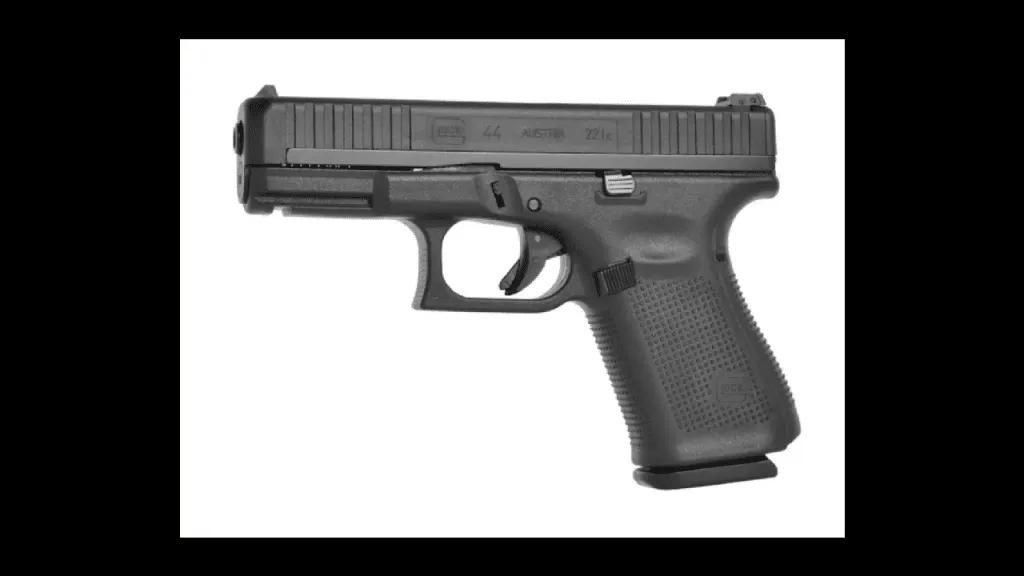
- Dimensional match to the G19 — same length, height, and grip feel
- Familiar Glock trigger and manual of arms (5.1 lb measured pull)
- Easy-racking 7-lb recoil spring, ideal for new or low-grip-strength shooters
- Nearly recoil-free shooting with minimal muzzle rise
- Factory-adjustable sights
- Fits G19 holsters with proper retention
- Reliable with quality ammo (CCI Mini Mag, Stinger, Uppercut)
Considerations
- No factory optics-ready (MOS) cut
- No included threaded barrel; OEM kit costs ~$180–$200
- Unreliable with cheap bulk ammo (Winchester, Federal AutoMatch)
- Rough break-in period (most malfunctions in first 350 rounds)
- Small bullet weight limits defensive use
- Competitors (SIG P322, Taurus TX22) offer optics-ready and threaded-barrel variants standard
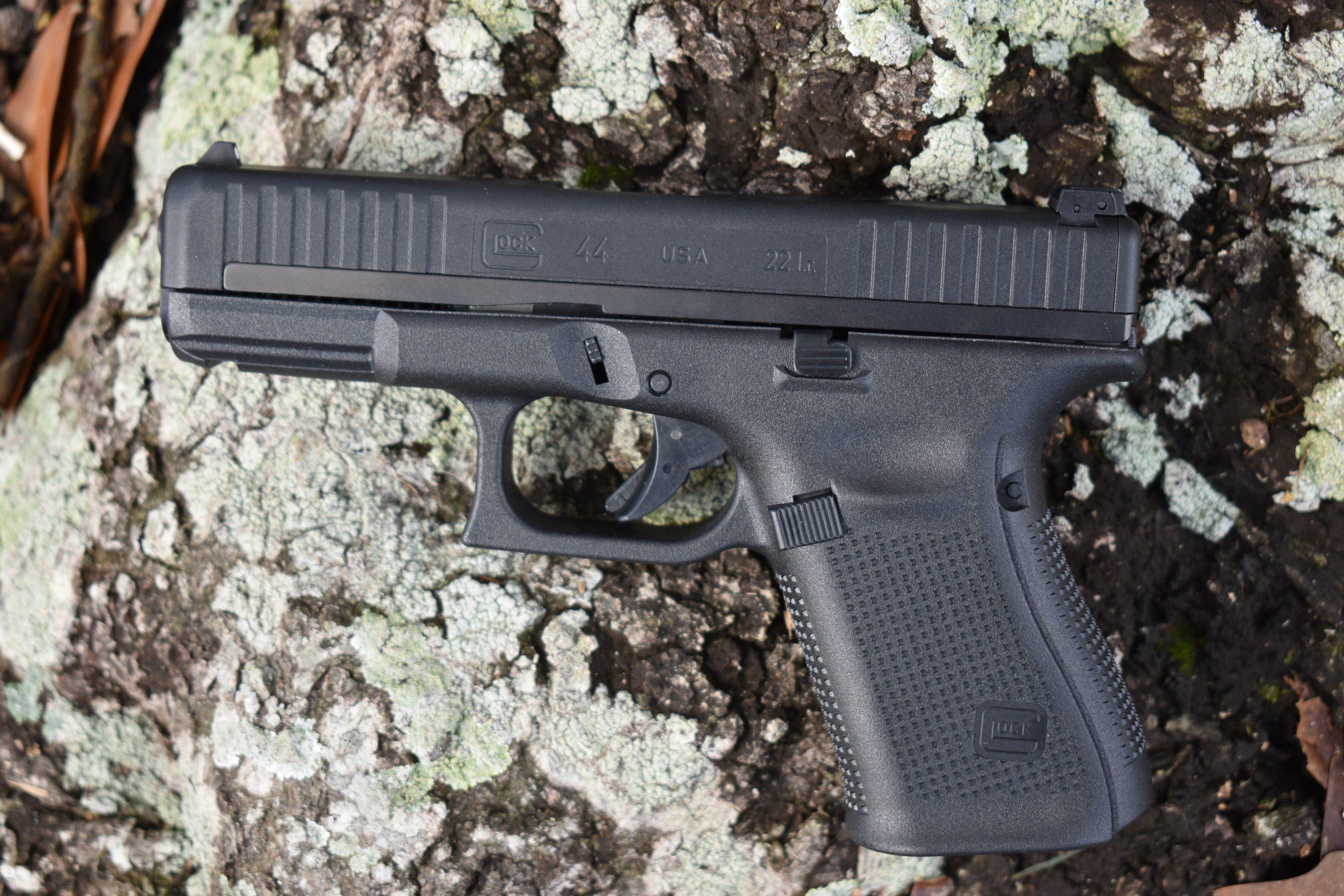
Glock’s first rimfire pistol was introduced in 2019 and remains the company’s sole .22 LR entry in its lineup. While it is a dimensional mimic for the company’s most common 9mm—the double-stack Glock 19 compact—the G44 stands on its own as a training tool in its own right. It ships with the same Gen 5 standard as the G19, including the hyper-accurate Glock Marksman Barrel and refined ergonomics that have made Glock a fixture on ranges and duty belts alike.
For trainers and new shooters especially, the G44 fills a genuine niche: it’s just a Glock tool that costs half what a 9mm does to run, burns through affordable .22 LR ammo instead of expensive 9mm, and lets you impart the entire Glock manual of arms without the centerfire recoil or cost. If you’re building a Glock guy into a solid shooter, or you want to put in serious practice time without breaking the bank, this pistol works.
Specs
| Spec | Detail |
|---|---|
Caliber | .22 LR |
Barrel length | 4.02 inches (Identical to G19) |
Overall length | 7.28 inches (Identical to G19) |
Height | 5.04 inches with mag inserted (Identical to G19) |
Width | 1.26 inches over controls (1-inch slide) — Note: G19 is 1.34 inches over controls |
Weight empty/loaded | 14.64 ounces / 16.40 ounces |
Magazine capacity | Ships with two 10-round magazines with easy-load tabs. Glock introduced 15-round G44 mags in April 2026; new models ship with those except where limited by state restrictions. |
Design and Components
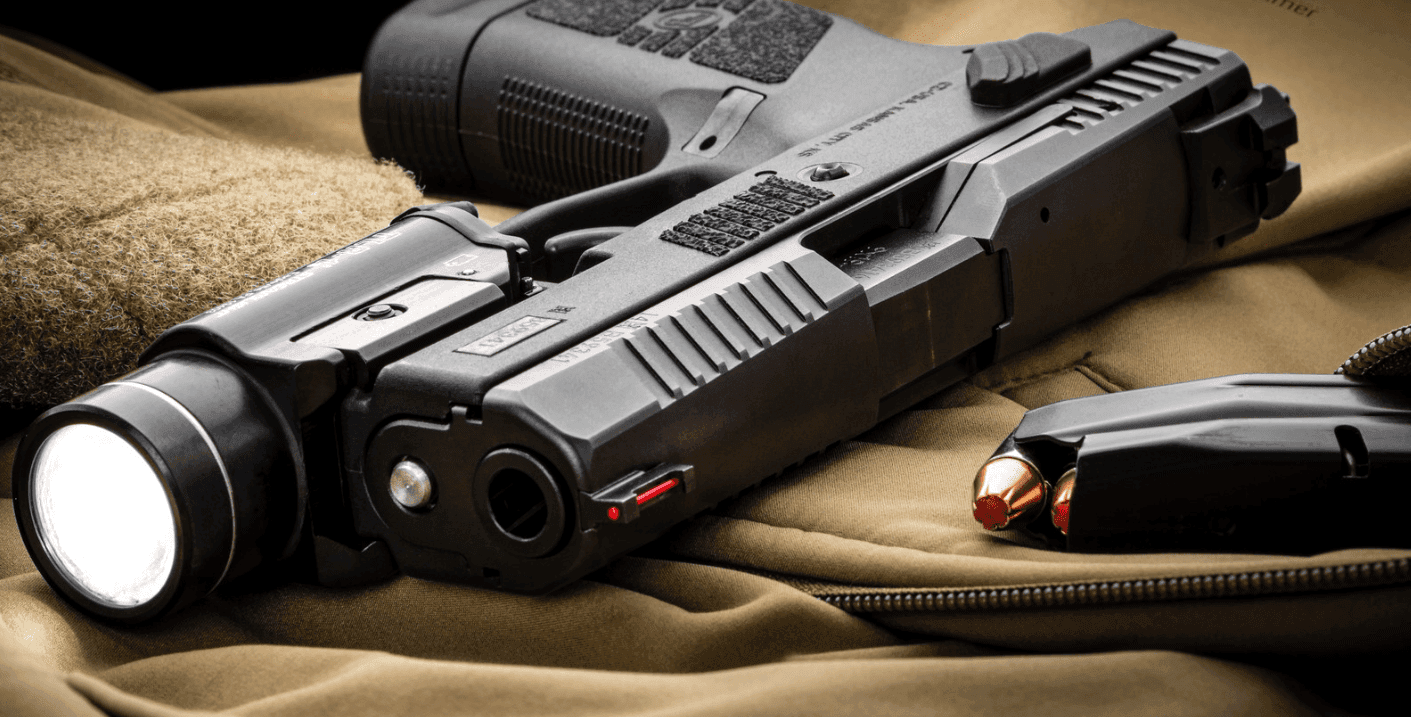
The G44 was introduced when Glock was in its Gen 5 phase and as such carries the standard straight grip (without finger grooves), RTF texturing, a reversible (swappable) magazine release, an ambidextrous slide stop, and extra backstraps to semi-customize the grip.
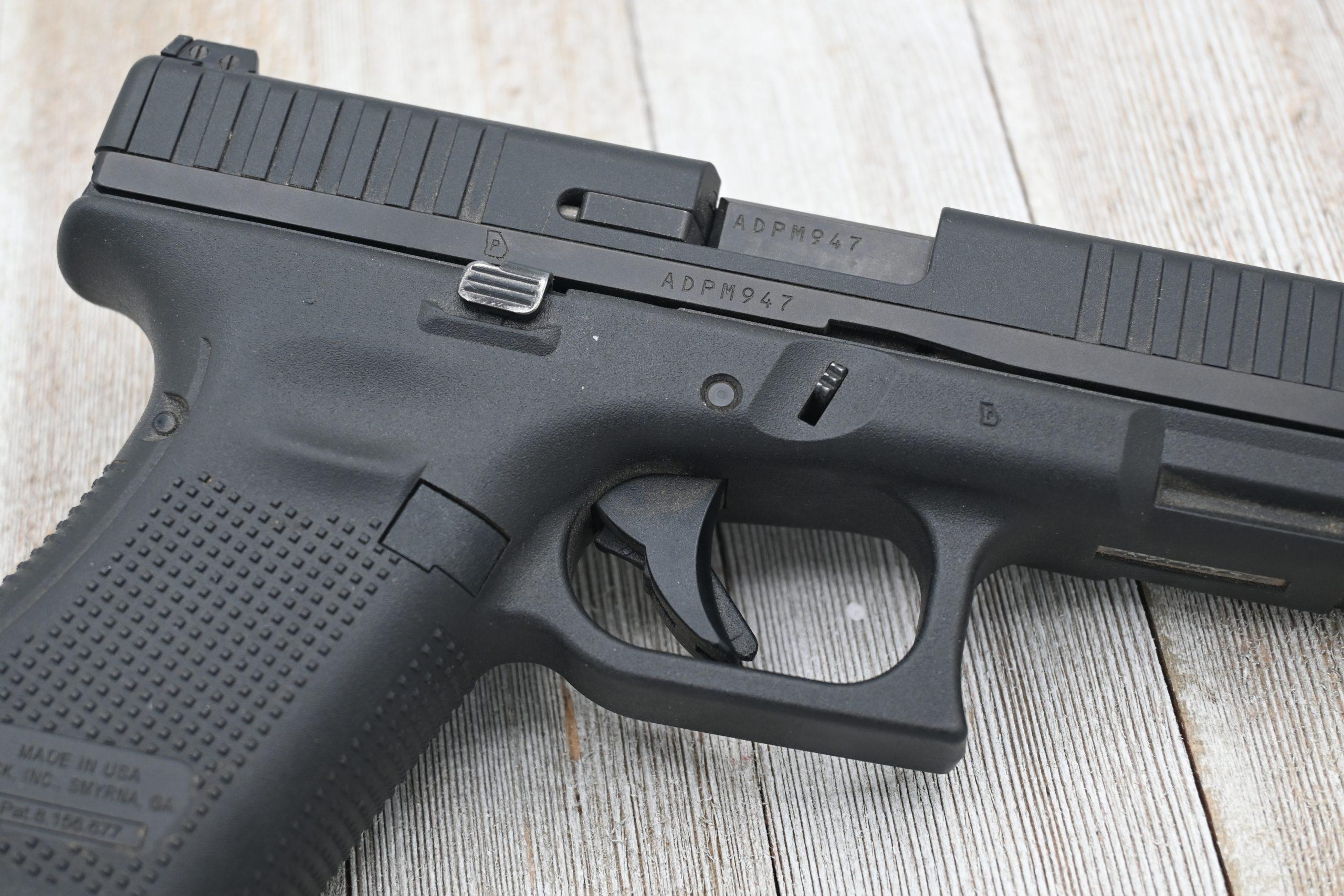
It uses the same field stripping procedures as every Glock since the company was started in 1980. Further, the ergonomics are the same down to the feel and geometry of the surface controls. If you have ever picked up a Glock, the G44 will feel familiar in your hands.
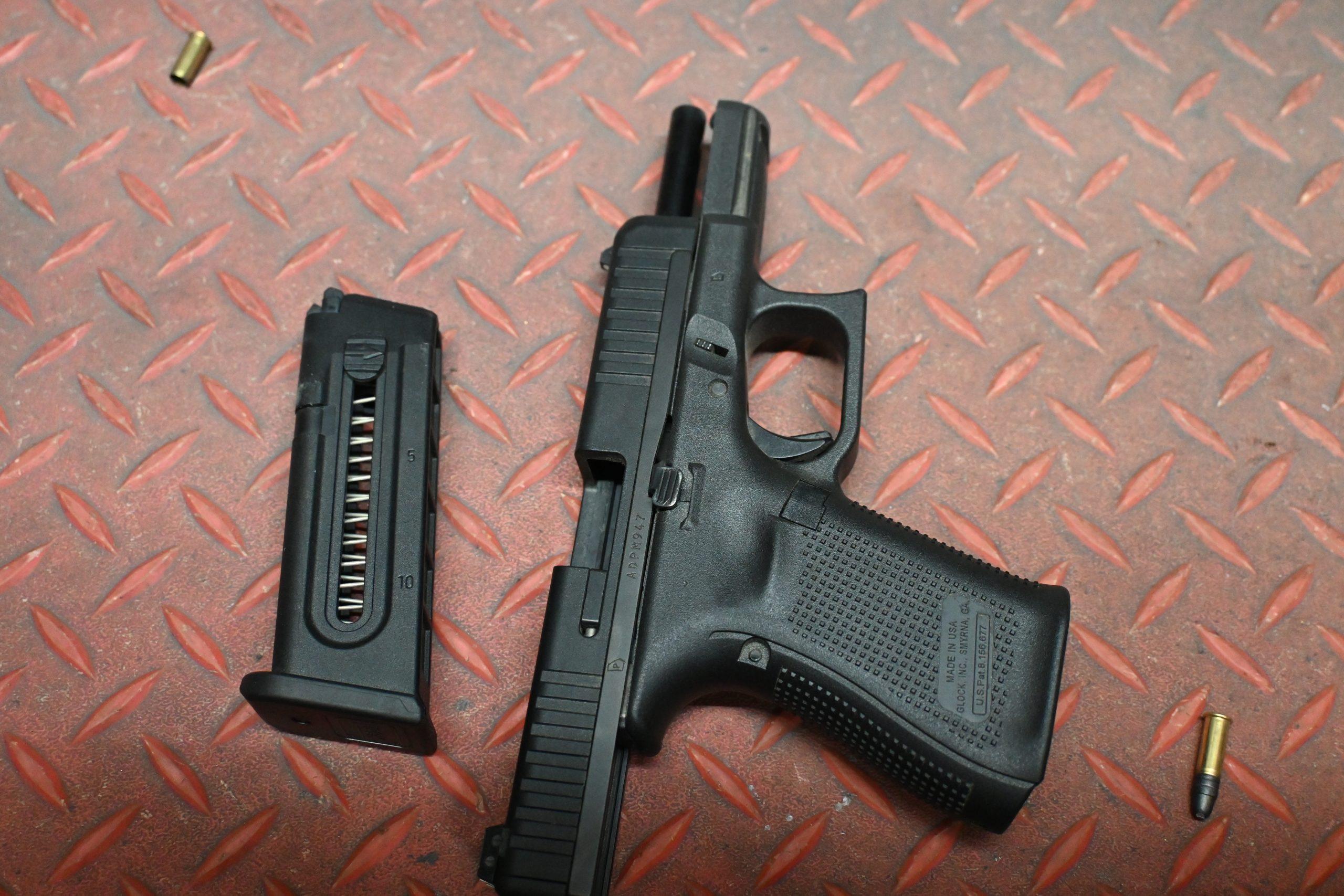
As a bonus, the G44 is one of the few Glocks that ships with adjustable sights for improved accuracy, which includes an on-board screw to shift windage left-to-right (clockwise: right, counterclockwise: left). However, it does not have a factory optic cut, which leaves red dot enjoyers out in the cold.
Will Glock change that in a Gen 6 model? Possibly, but for now the Gen 5 is the only G44 on the schedule.
When it comes to aftermarket sights, the G44 has matured over the past few years and several options exist to fit the dovetail including sets from AmeriGlo, Dawson Precision, HIVIZ, and Sevigny Performance.
Striker Fired Rimfire Design
Although the humble .22 rimfire cartridge has been around for over 150 years, the round still has some bugs—especially in bulk-pack low-cost ammo, it is often a bit iffy when it comes to reliability. Used in a striker-fired autoloading pistol with a short action, rimfire 22 LR semi-autos can be mechanically difficult.
It is a fine balance to make the gun cycle reliably: the recoil spring must be light enough for the .22 LR’s minimal energy to cycle the slide, while the striker spring needs enough force to reliably ignite its rimfire primer.
These competing requirements, coupled with the sometimes-flakey reliability of bulk pack ammo, often lead most companies to opt for a reliable hammer-fired design rather than go striker-fired, as the engineering climb to make the latter work can be steep. Even pistols like the Ruger Standard Mark I–IV series, while they look striker-fired, in fact have a small internal hammer.
This makes reliable striker-fired rimfire autos a sparsely populated neighborhood, with only the Glock 44 and the Taurus TX22 in residence.
Of course, they follow a lineage established by the old High Standard Duramatic, which was introduced in the 1950s, and the short-lived Beretta Neo, which was basically the striker-fired action used in the Duramatic but inside a retro-styled body.
Glock Trigger and Striker Assembly
When it comes to the trigger pull on the Glock 44, which is designed to mimic the centerfire Glock 19 9mm, the take-up, wall, and reset feel nearly identical—both hover around 5 to 6 pounds on paper.
We measured the Glock 44’s trigger pull weight at 5.1 pounds with a Lyman gauge, which is close to Glock’s published 5.8-pound spec and within striking distance of most factory G19 triggers we have experienced over the years.
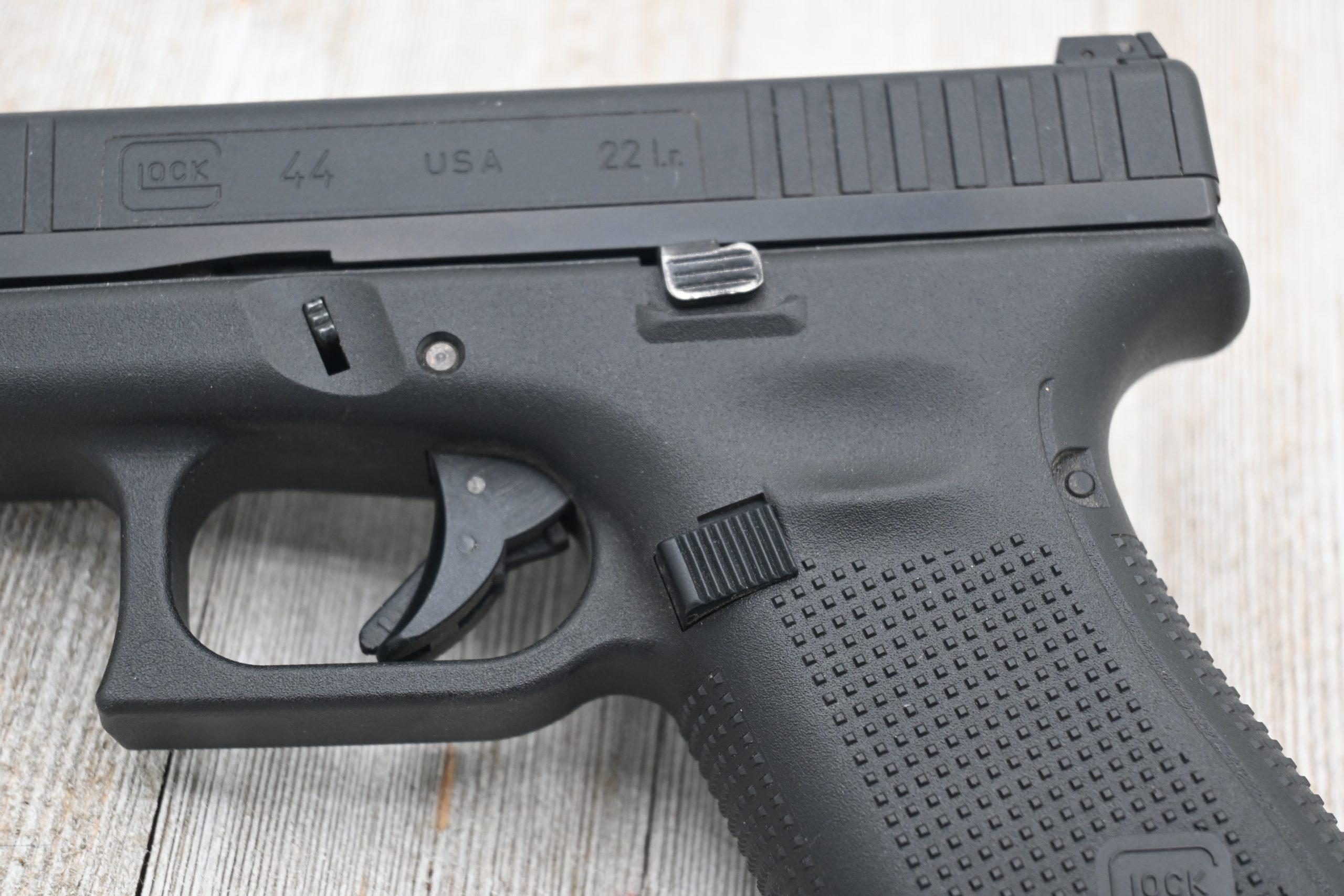
Both the G44 and G19 feature the short, positive tactile and audible reset characteristic of Glock pistols. The G44 shares some standard parts with 9mm Glocks, including the magazine release button, while the backstraps are standard compact-sized Gen 5 modular inserts.
Glock Marksman Barrel
As with other Gen 5/6 Glocks, the G44 uses the company’s cold hammer-forged Glock Marksman Barrel, which features polygonal rifling and a hexagonal profile. It is extremely accurate and durable—the latter a must for dirty rimfire ammo. Keep it clean and you can expect it to endure through box after box of .22s.
As with any Glock, so long as the springs and extractor are replaced when worn, you can expect a lifespan north of 20,000 rounds.
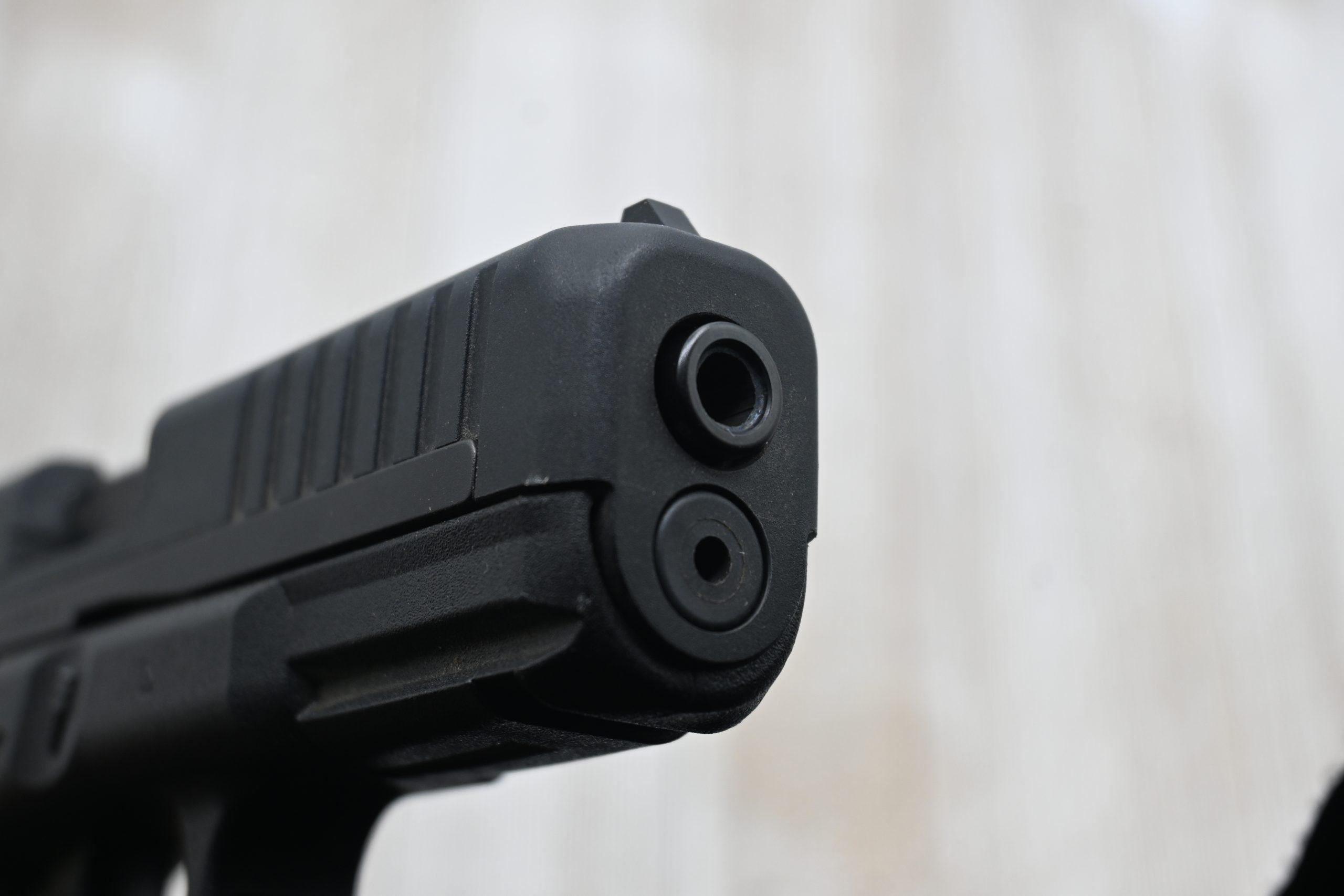
The barrel is mechanically locked during the firing process. Using the same advanced surface treatment as the slide, the rounded barrel’s hexagonal interior profile offers numerous advantages over more conventional barrel profiles, including the elimination of corners and edges, thus making it considerably easier to clean and maintaining uniform precision even after a high number of rounds have been fired.
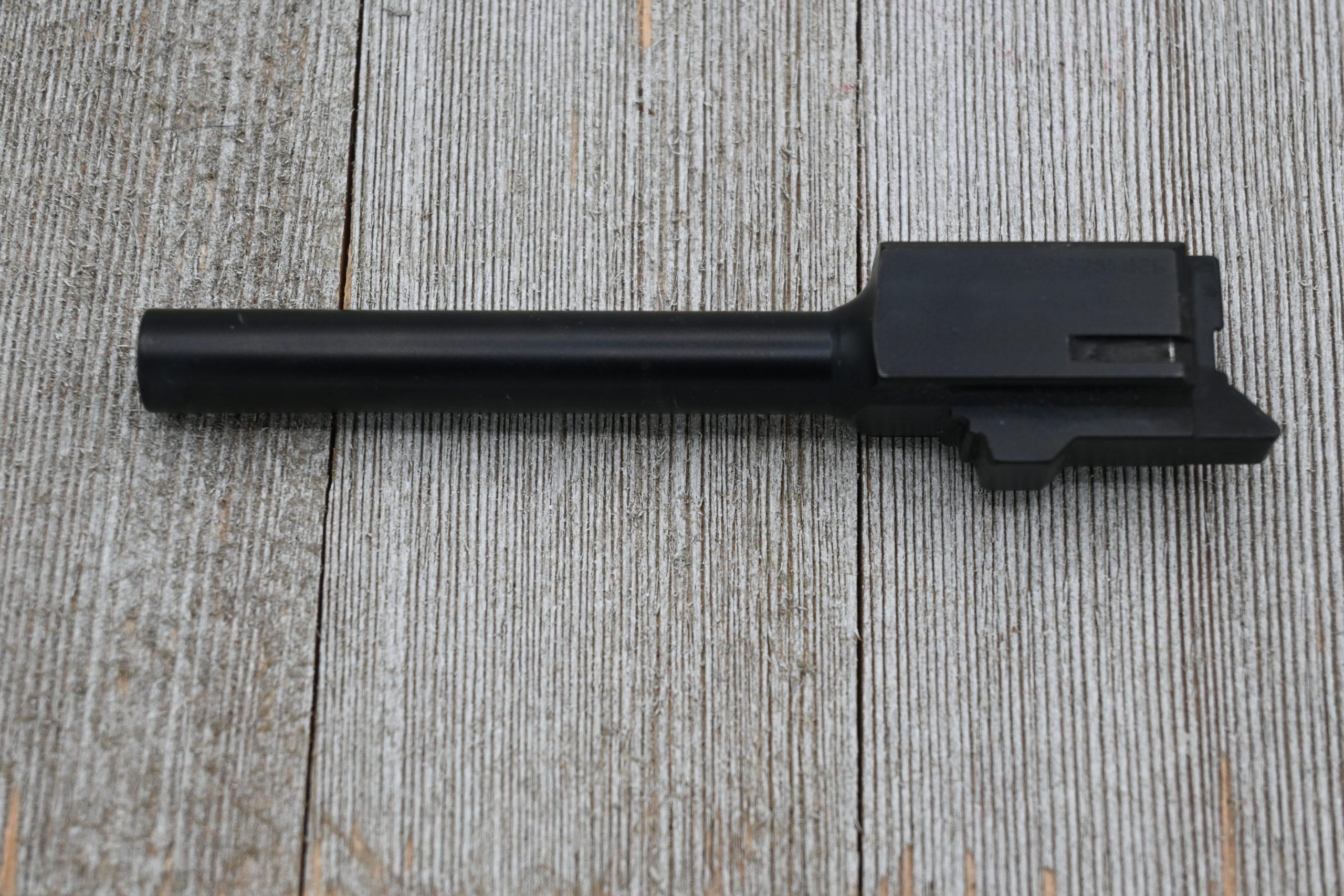
Unfortunately, the company does not offer a threaded barrel option, forcing users to pick up a $200 OEM threaded barrel kit after the fact.
Plus, it is European M9×0.75 RH and has an adapter for U.S. standard ½×28 TPI, which is well on the way to tolerance stacking. By comparison, guns like the Taurus TX22 and SIG P322 ship with threaded barrel adapters as a standard item for no additional cost.
Polymer and Steel Slide
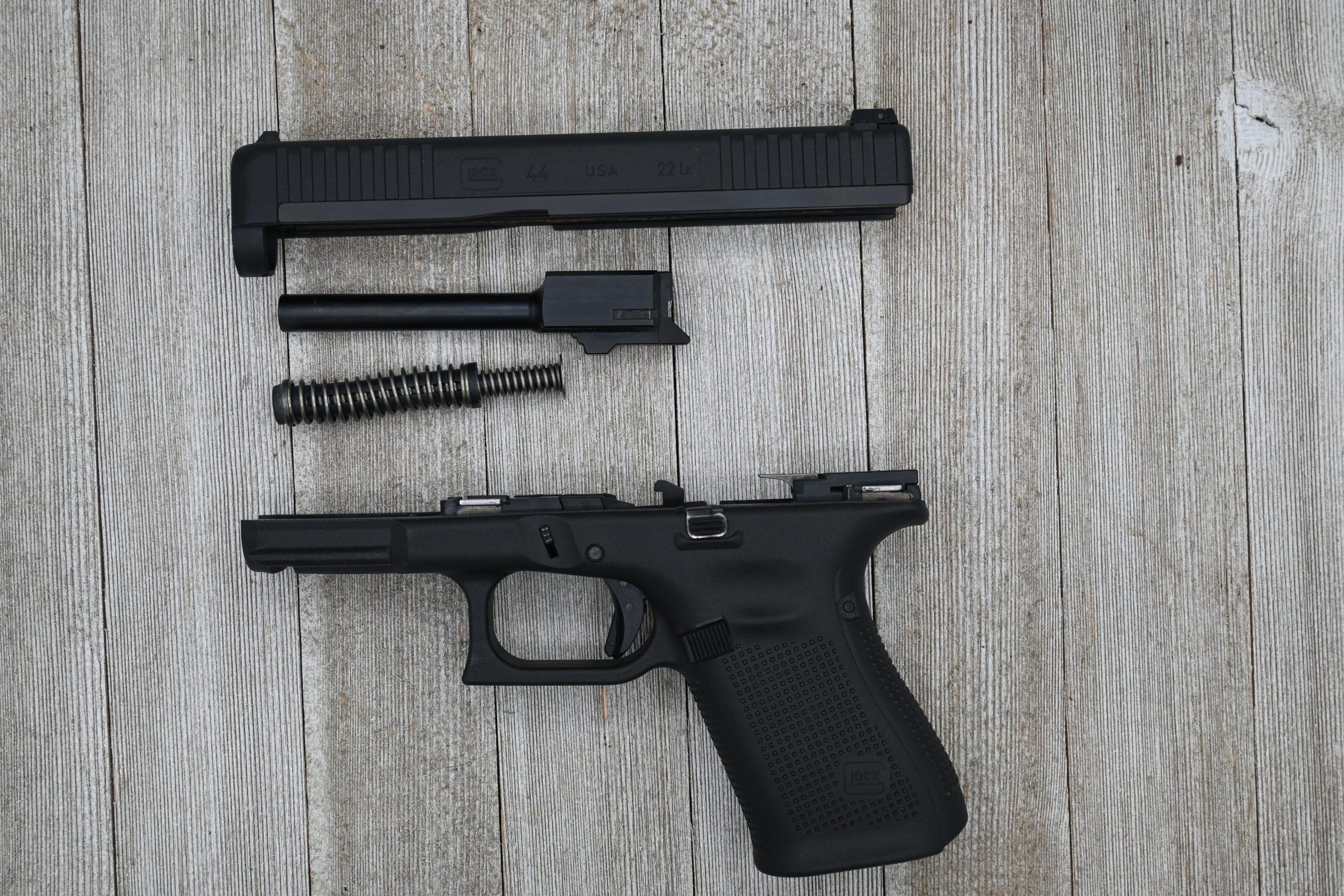
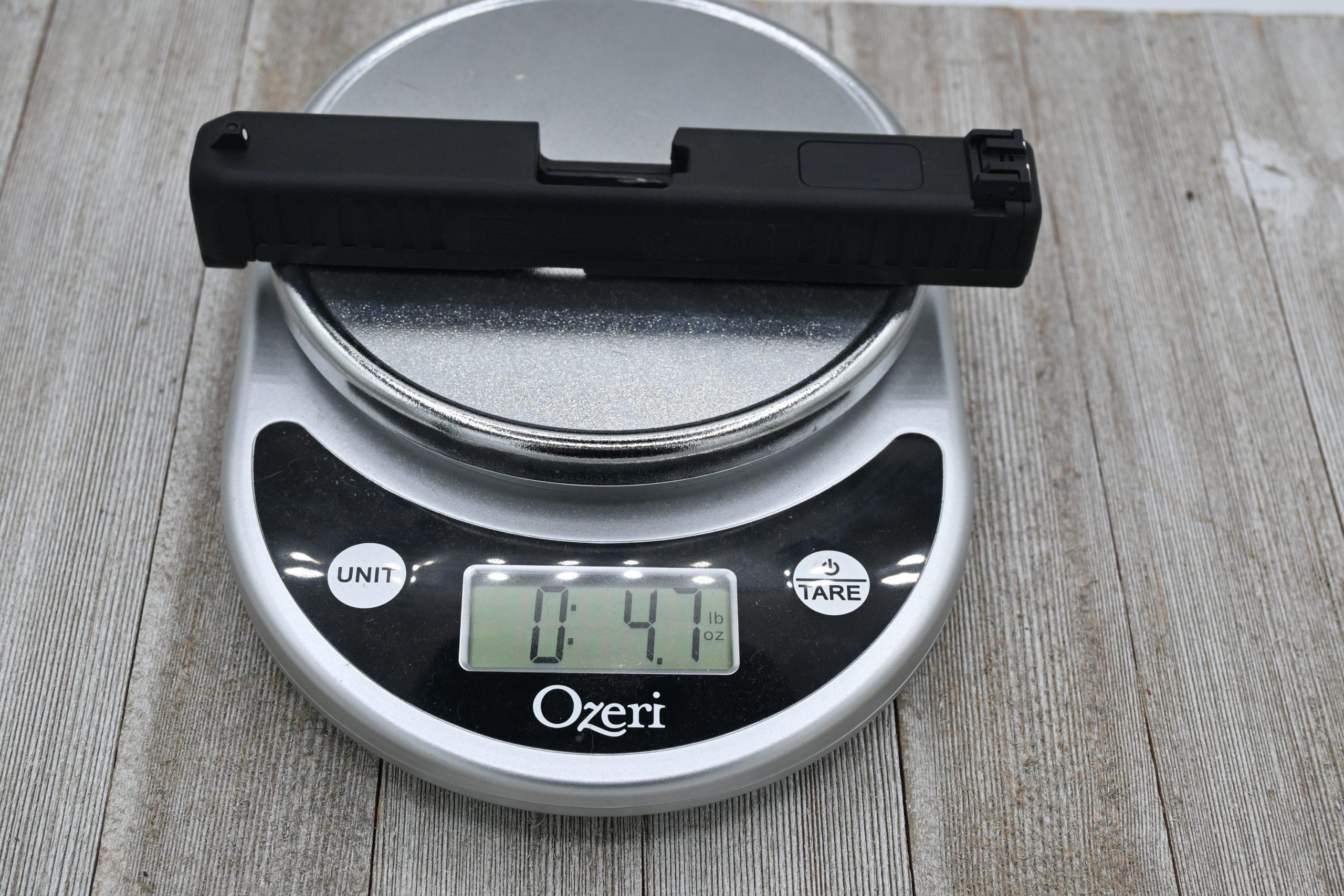
To help ensure reliability with low-power .22 LR ammo, the G44 uses a super lightweight hybrid polymer slide with a steel insert. Weighing just 4 ounces (8.1 ounces with the barrel and recoil assembly included), its low slide mass helps provide dependable cycling for the pistol’s blowback operation.
This also makes the G44 one of the easiest Glocks to rack, having just a 7-pound OEM recoil spring as opposed to the standard 17-pound spring of the G19. This allows easy use for youth, upping engagement in the shooting sports, or for those seeking a semi-auto but with concerns over low hand or grip strength.
Range Performance
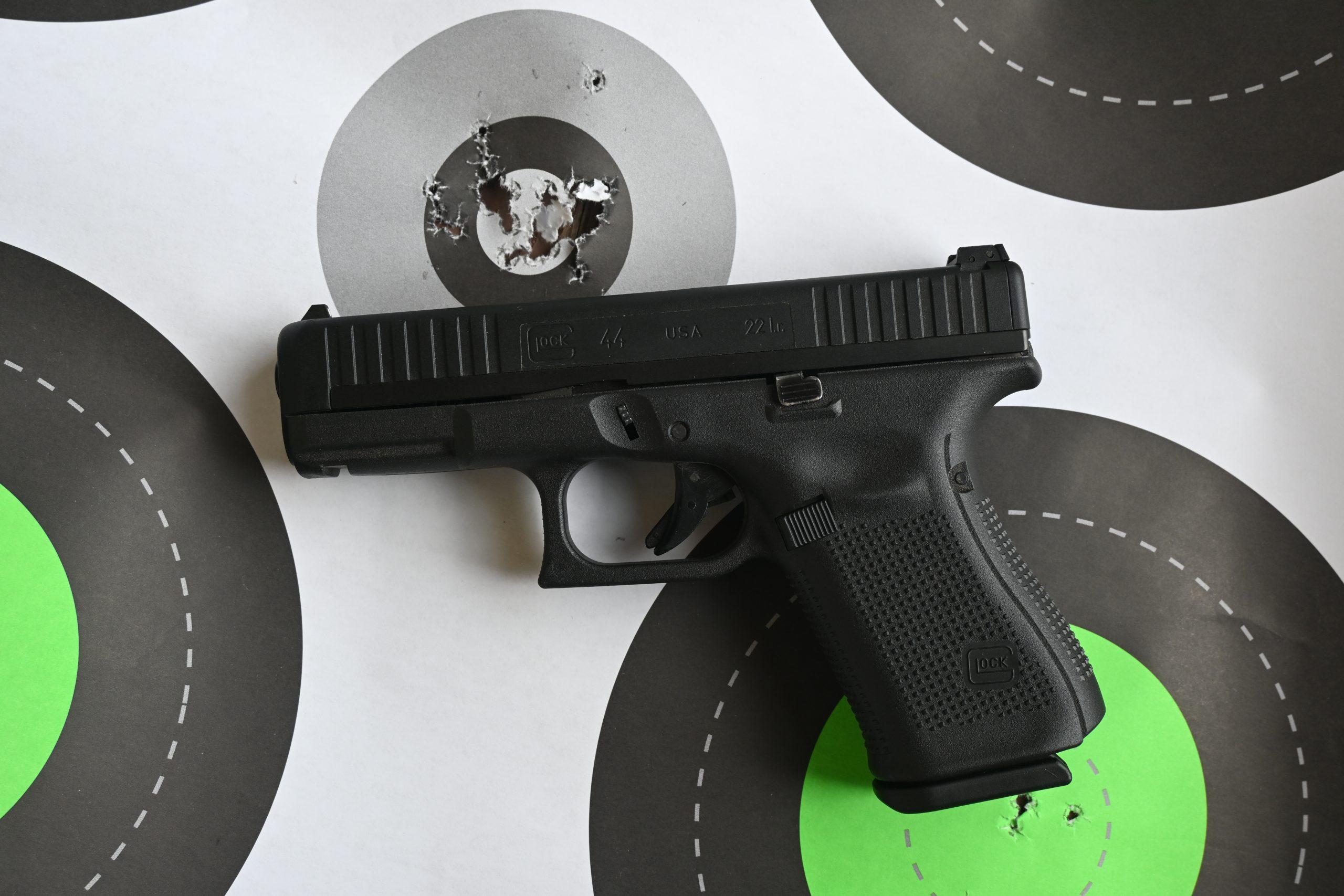
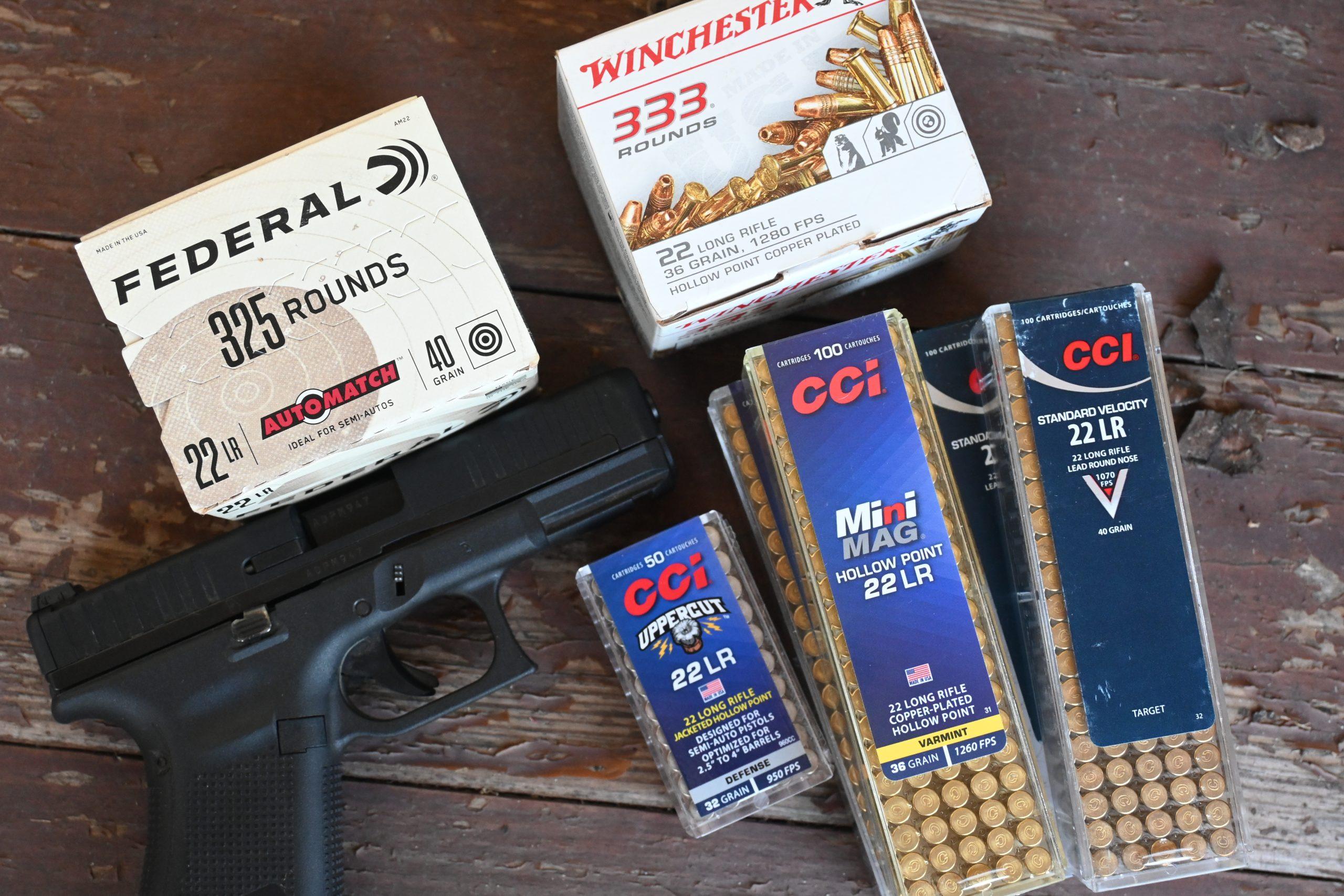
We ran 1,025 rounds in testing our G44 on the range. All was factory-fresh ammo designed for use in semi-auto rimfires, including Winchester’s 36-grain copper-plated hollow-point 1,280 fps bulk pack, Federal’s AutoMatch 40-grain bulk pack (1,200 fps), CCI Standard Velocity 40-grain LRN target loads (1,070 fps), CCI Mini Mags (1,260 fps), CCI 32-grain HP high-velocity (1,640 fps) Stingers, and CCI’s new Uppercut 32-grain JHP defensive load (950 fps).
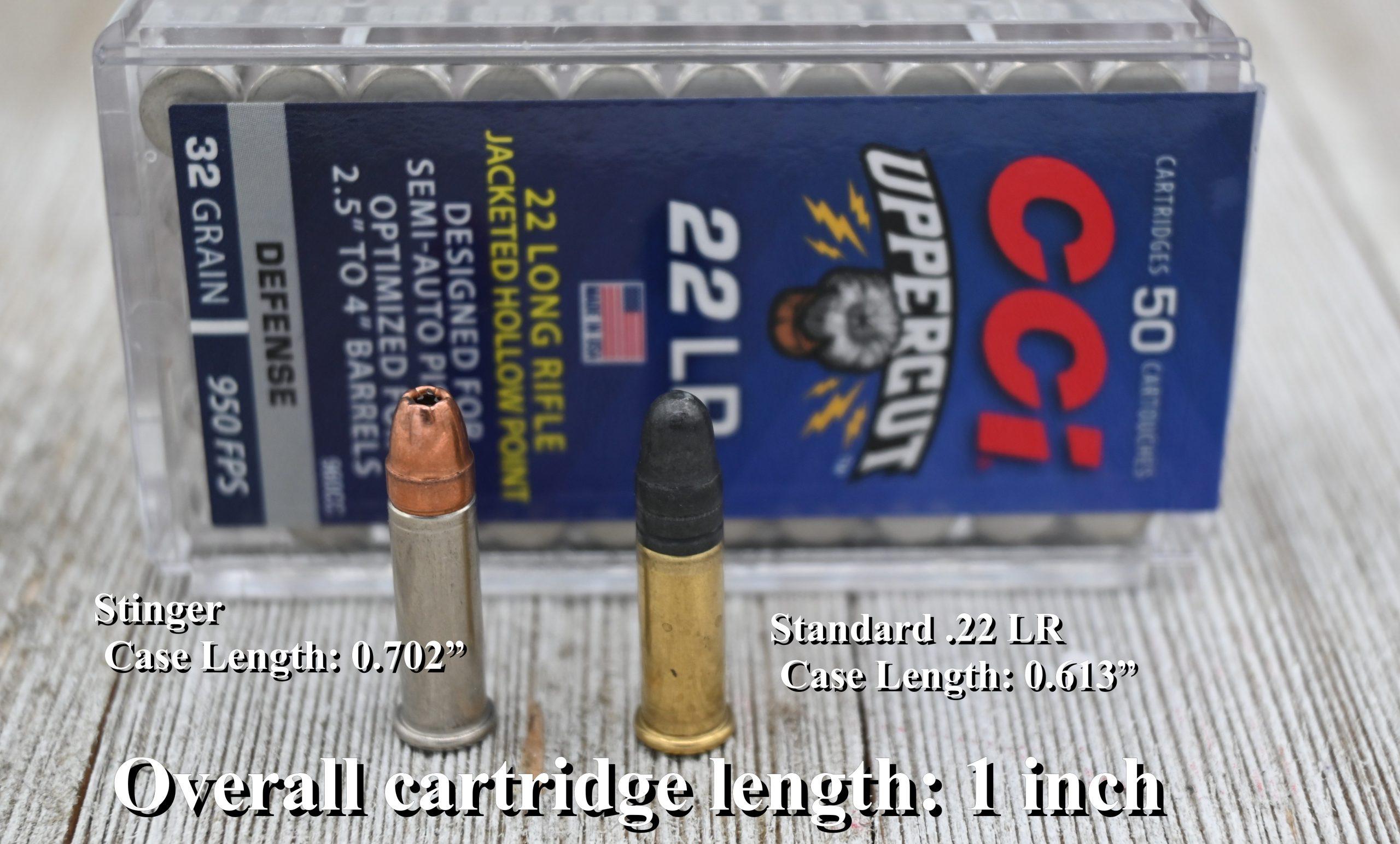
Of note, CCI’s Stinger and Uppercut loads use a longer case (0.702 inch vs. the standard 0.613 inch seen on other rounds) with a shorter and lighter bullet, which, while it ups performance, can lead to problematic feeding in some semi-auto platforms.
Also, don’t get too bogged down in the difference in published velocity between the CCI Stinger (1,640 fps) and the CCI Uppercut (950 fps): the much higher quoted Stinger velocity is from a 24-inch rifle barrel, as it is officially classified by the company as a varmint round.
When fired from a 4-inch pistol barrel, the Stinger clocks in closer to 1,000 fps. The Uppercut’s published velocity is from a 4-inch barrel.
Accuracy Tests With CCI Stinger, Mini Mag and Uppercut
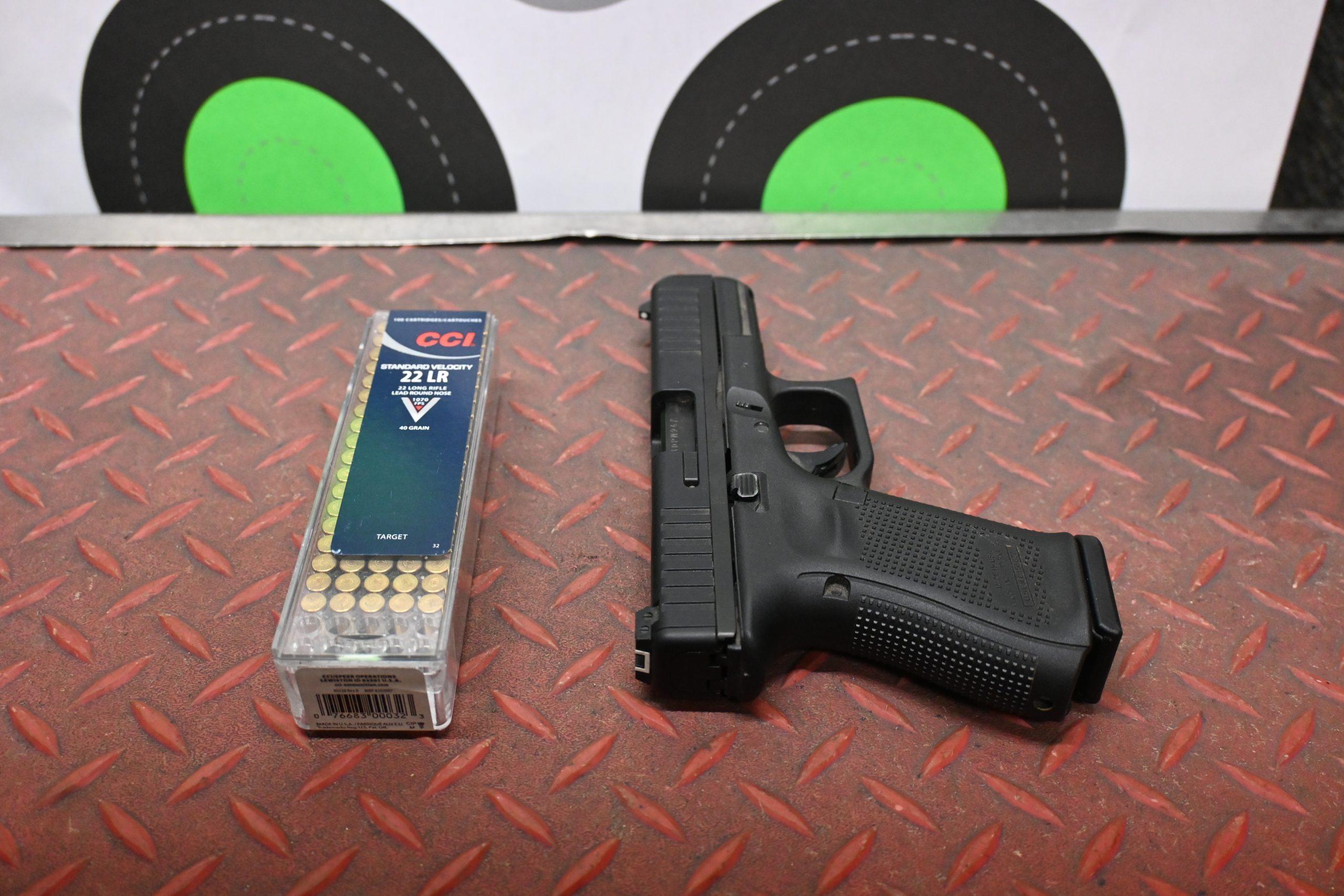
Testing five-round and ten-round groups from 10 yards, unsupported, all six of the ammunition types were able to remain inside a three-inch circle. We consistently found the CCI loads to print the tightest groups, with an average group size of 1.39 inches at 10 yards across all CCI ammunition types tested.
In a typical example, we have 10 rounds of CCI Standard Velocity top left, CCI Mini Mags top right, and 10 of Uppercut followed by 10 of Stingers in the same, much tighter target.
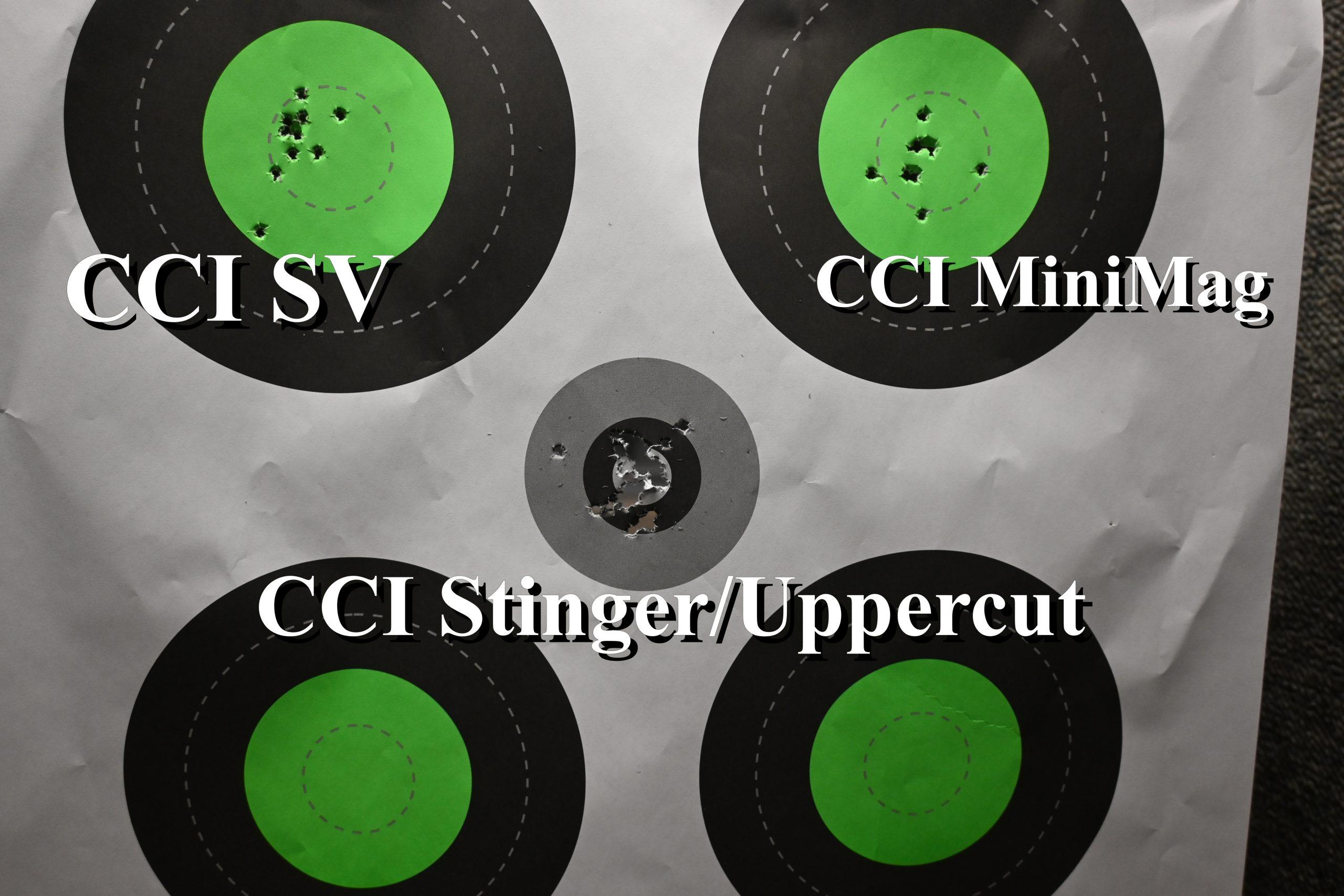
You can really see what you are paying for in terms of practical accuracy when you keep in mind the SV and MM loads run about 12 cents per round, while the Stingers and Uppercuts are closer to 30 cents per round.
For training purposes, the CCI Mini Mags represent excellent value—they run reliably, group tight, and won’t empty your wallet.
Reliability Testing
With the G44 right out of the box and inspected, we started with the Winchester and had several issues—eight failures to eject in 150 rounds.
Moving to the CCI Standard Velocity, we only had two failures across 200 rounds, one a stovepipe. The Federal AutoMatch gave three failures in 350 rounds. Meanwhile, the CCI Mini Mags, Stingers, and Uppercuts ran flawlessly, even though the pistol was very dirty at the time.
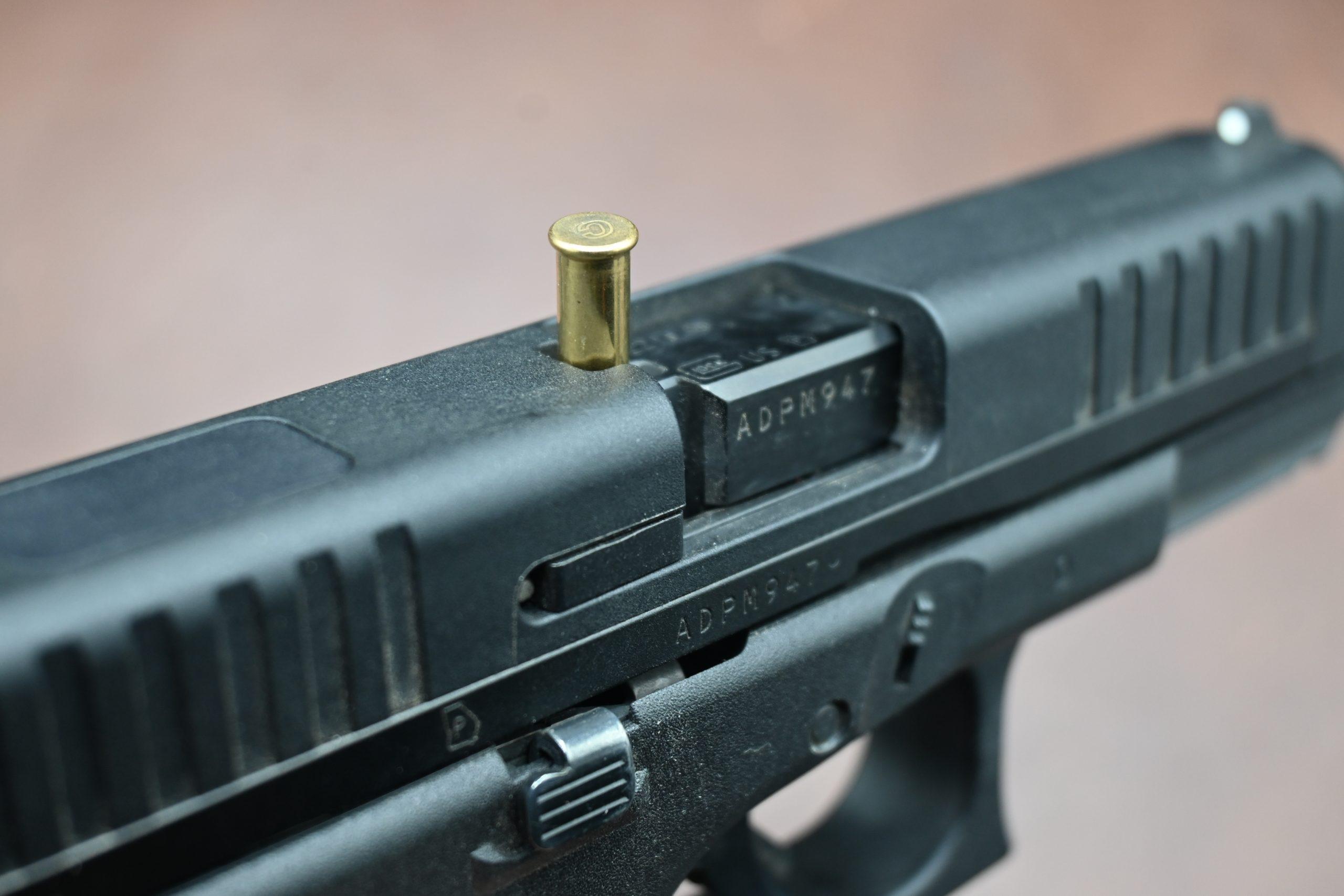
Keep in mind the Glock 44 does not have an official factory-mandated break-in period, but many users on platforms like Rimfire Central Firearm Forum and Reddit vouch that running 300 to 500 rounds of high-velocity 40-grain .22 LR ammunition helps the polymer-and-steel hybrid slide and recoil spring wear in smoothly for optimal cycling.
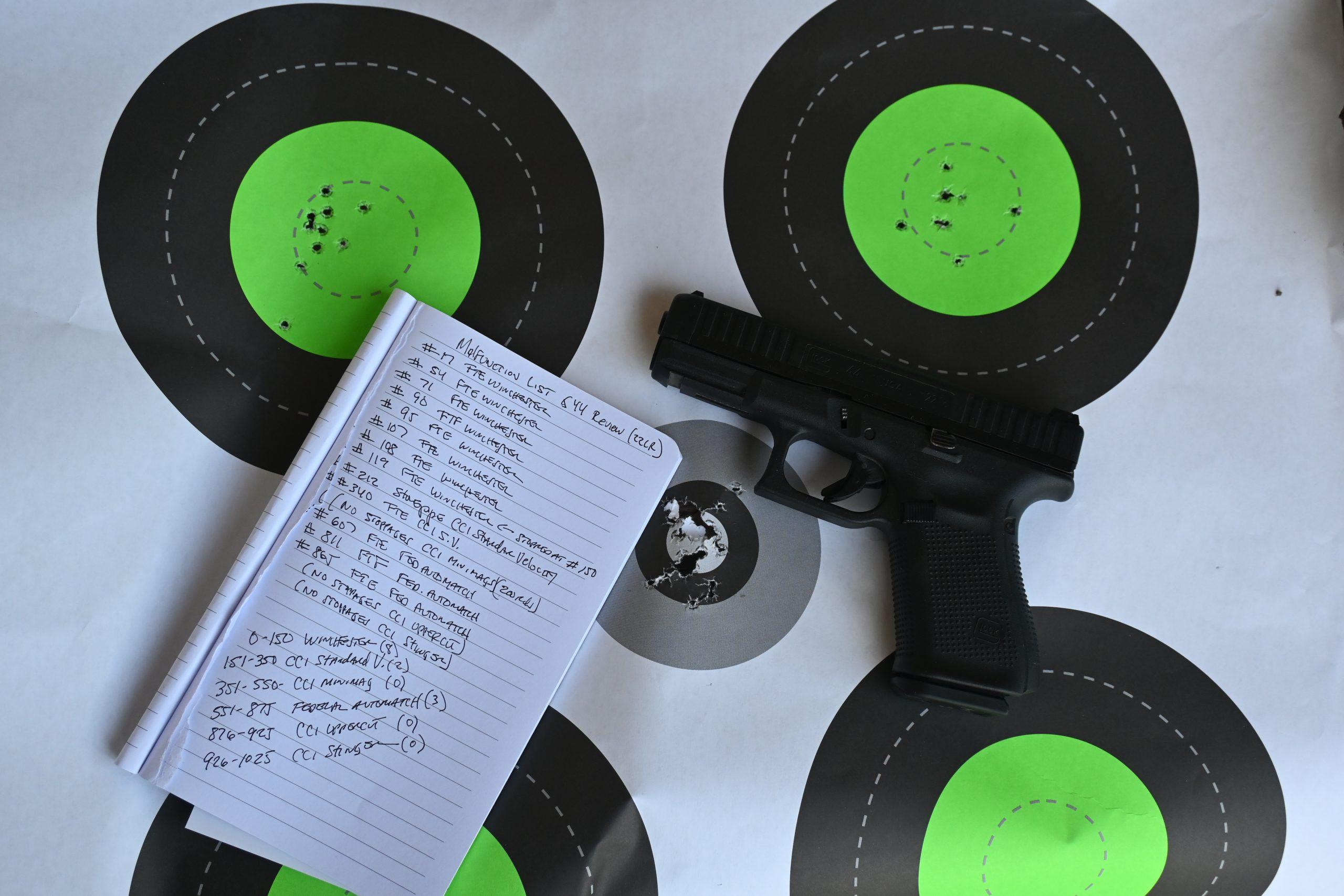
As broken down in our malfunction log, 10 of 13 of our stoppages came in the first 340 rounds of testing. Food for thought.
Handling and Shooting Feel
Over the course of live fire testing, the recoil impulse was almost nonexistent, with the 8-ounce slide assembly absorbing most of the energy of the .22 LR rounds. Muzzle rise was minimal, with almost no flip, and left the G44 “hanging” on target for easy and rapid follow-up shots. The gun likes to run fast, especially with good ammunition.
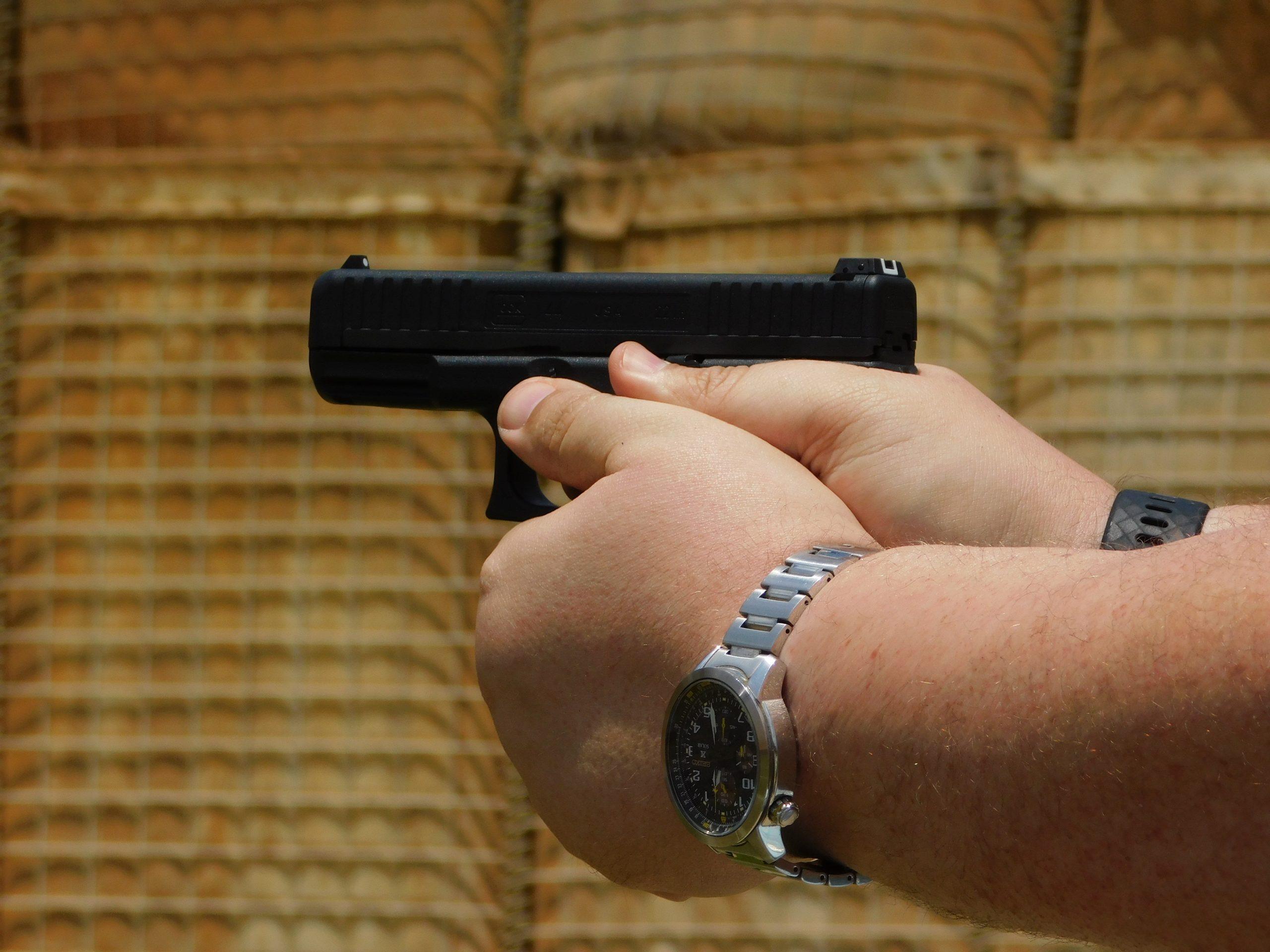
The trigger pull weight, measured with a Lyman gauge, averaged 5.1 pounds for us, which is close to Glock’s published 5.8-pound spec and within striking distance of most factory G19 triggers we have experienced over the years. The slide is easy to rack with just a 7-pound recoil spring (less than half that of the G19), which is a boon to new shooters or those with reduced hand strength.
Speaking of new shooters, the low recoil makes the G44 an enjoyable and low-impact pistol to shoot, even in extended range sessions, thus lending well to skills building. The sight picture remains consistent shot to shot; the relative lack of recoil means you can focus on trigger press and sight alignment rather than managing recoil or flinch.
For dry fire practice, which is safe with the Glock 44, you get the same mechanical feedback as a centerfire Glock, just without the cost per round. This makes it an ideal training aid for building fundamentals before moving to 9mm practice.
Concealed Carry Considerations
Even as Glock fans, we are shy about advocating carrying any rimfire handgun for self-defense; new ammo loads on the market—such as Federal’s 22 Punch and CCI’s Uppercut—are designed specifically to deliver ballistic performance from autoloading .22-caliber pistols in just such a scenario.
Although we found the Uppercut, Mini Mag, and Stinger loads to have no issues in our limited reliability testing, rimfire ammo is tough to reliably cycle, so keep that in mind when thinking of the caliber for personal protection.
Moreover, even high-tech new defensive-use .22 loads on the market still have very small bullets (29 grain for the Federal Punch, and 32 for the CCI Uppercut)—less than a third the “throw weight” of a 9mm—and can only be expected to deliver accordingly.
We get it. The G44, especially with its ergonomic comparability to the G19, is attractive for carry use as it has almost no recoil and is easy to both load and shoot.
For those planning to carry the G44, we found its identical length and height to the G19, with negligible differences in grip width, to ensure compatibility with most holsters.
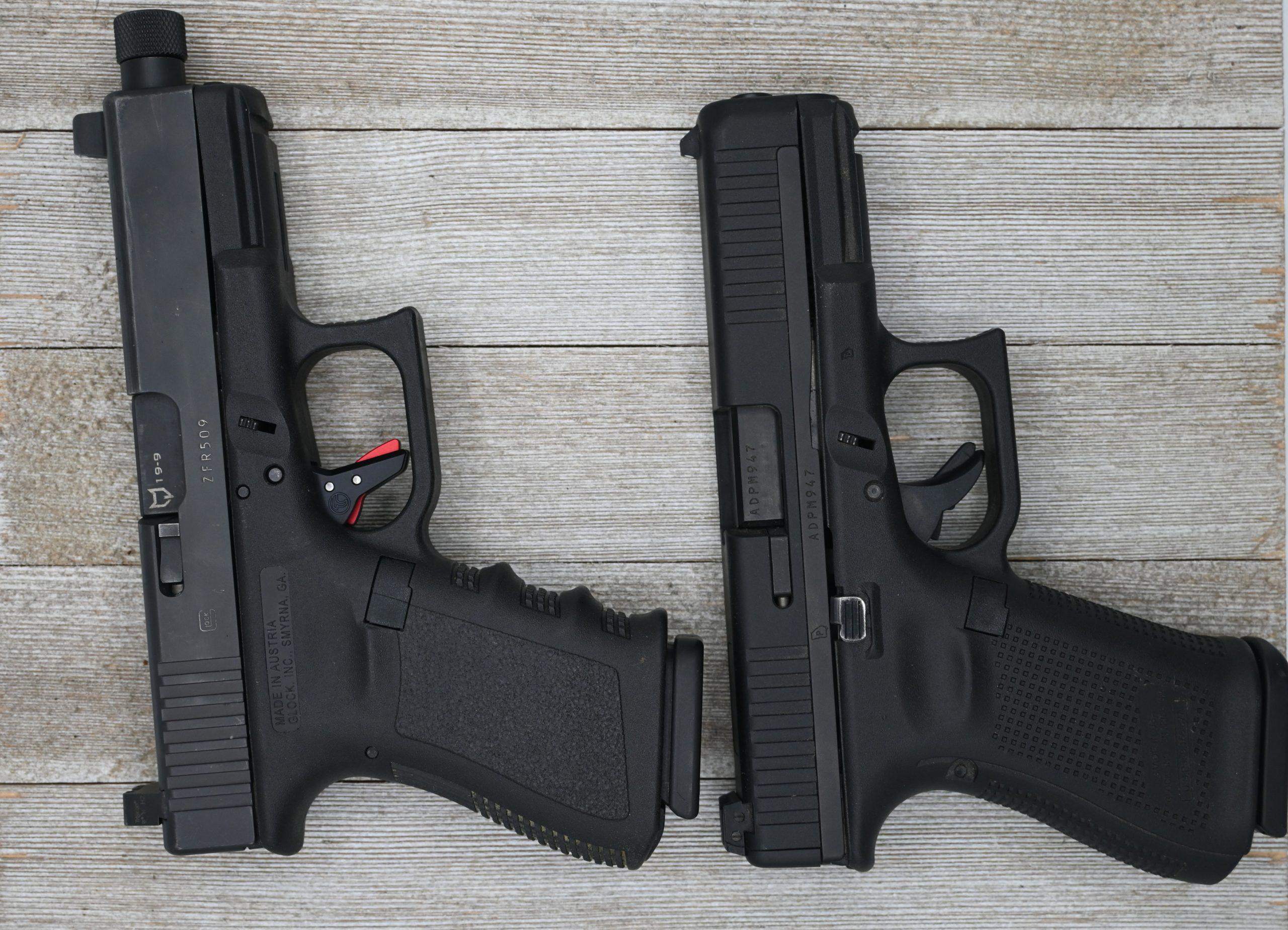
We had nine G19 holsters on hand from DeSantis, Galco, GBRS, PHLster, Tenicor, Safariland, and Vedders—all easily accepted the G44 with no gaps in covering the trigger guard while passing the basic “tip upside down and shake” retention rule of thumb.
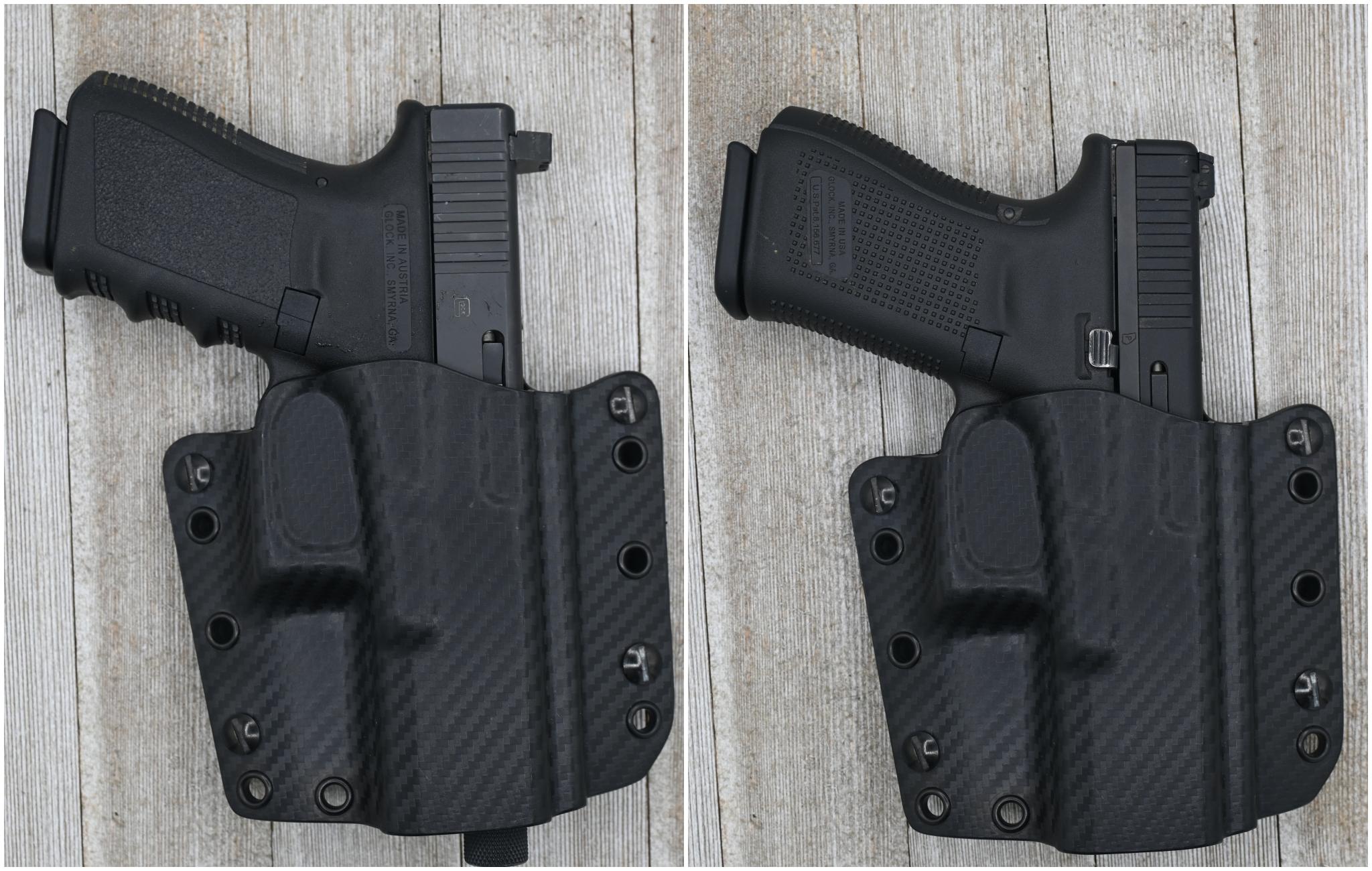
The G44 as a training companion to the G19 is where this pistol truly shines. Shooters who carry a Glock 19 can run thousands of rounds through a G44, absorb all the same ergonomics and manual of arms, and drop back into their centerfire carry gun with no learning curve. The cost savings alone make this a real gun worth the investment.
Recommended Ammo Selections
We recommend any of the premium-tier CCI factory loads (Mini Mags, Stingers, Uppercut, etc.) as they were reliable and most accurate in our testing. If you want the gun to run great and cycle reliably, quality ammo is non-negotiable with any .22 rimfire pistol.
Best ammo for training
CCI Mini Mags deliver accuracy, reliability, and a price point (around 12–15 cents per round) that won’t make you hesitate to take more practice. They are the sweet spot for new shooters and serious trainers alike.
Best ammo for accuracy
CCI Standard Velocity loads print tight groups and run clean, making them ideal for static precision practice or teaching fundamentals at the bench.
Best defensive load
CCI Uppercut, if you insist on carrying the pistol. Federal 22 Punch is also purpose-built for rimfire self-defense, though we have relative lack of testing data on that load in this platform.
Accessories and Upgrades
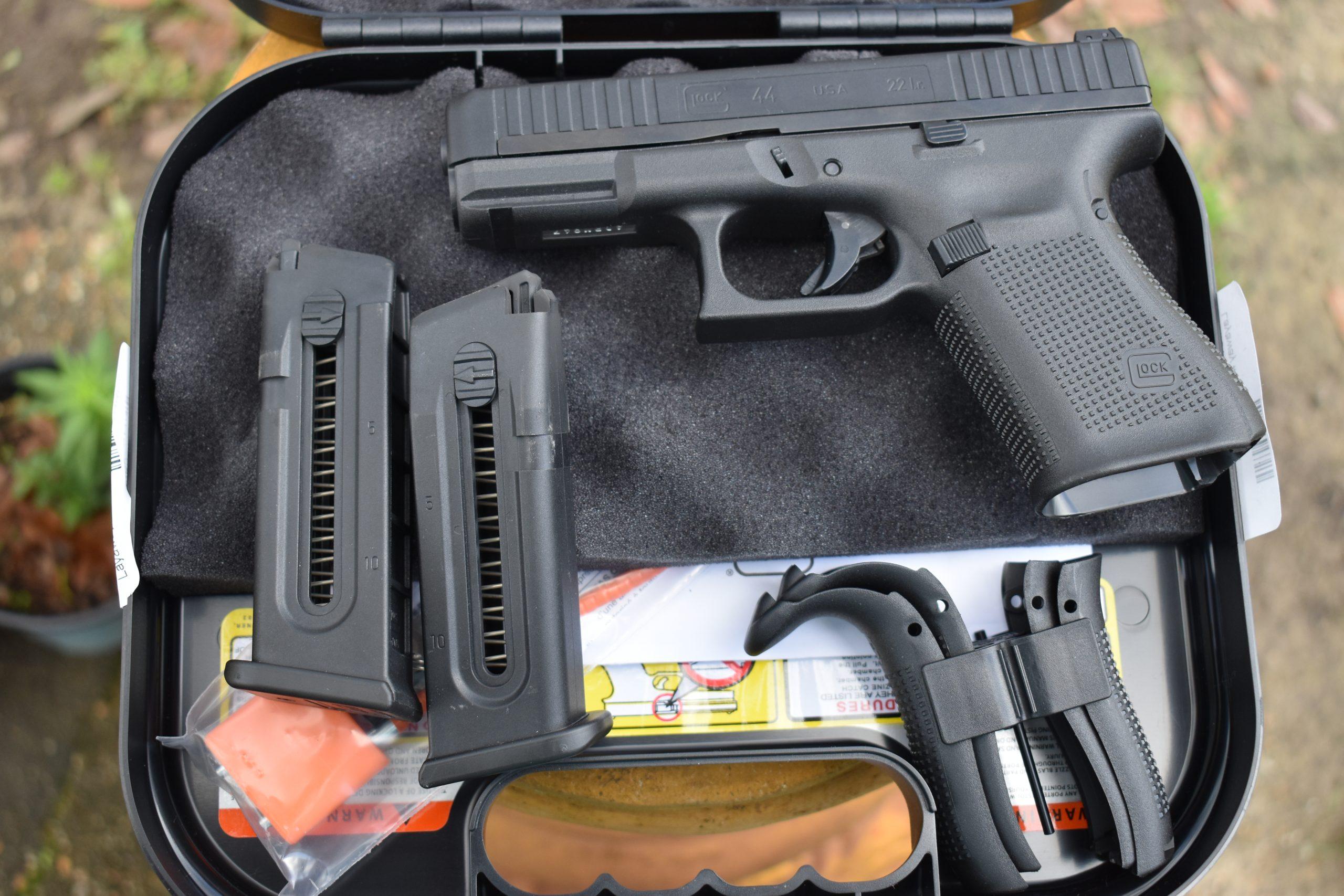
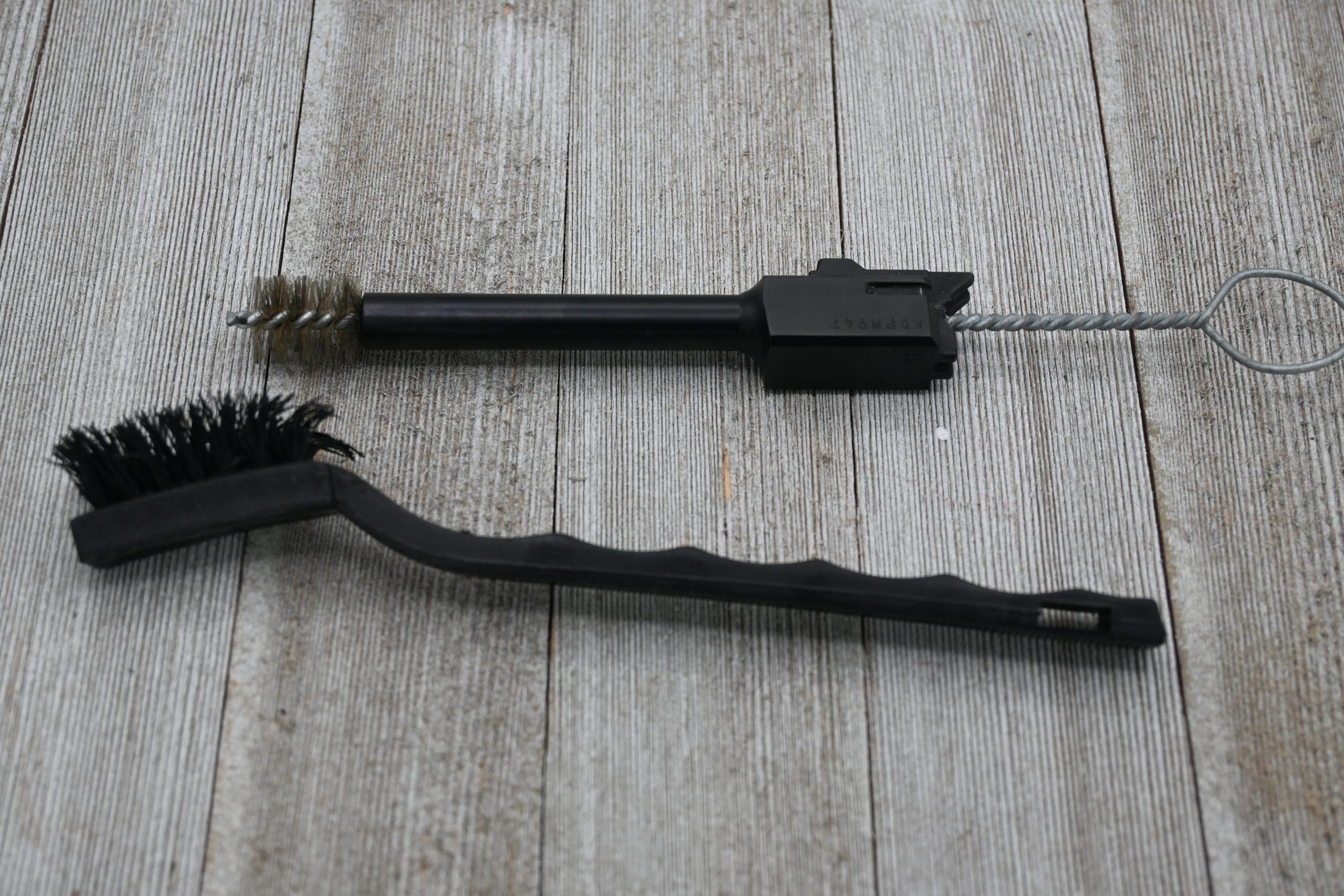
The G44 ships with a set of metal cleaning brushes and a nylon rod—use them. Beyond what’s in the box, you’ll want to invest in a dedicated bore brush of at least five inches (the included set is a good start but not a replacement for regular maintenance).
A quality all-purpose gun solvent/lube and a bag of cleaning patches are inexpensive additions that will pay dividends over 1,000-plus rounds.
Holster compatibility: We have confirmed that the G44 is compatible with all the G19 holsters we had on hand, but obviously can’t guarantee that against every G19 holster ever made. Crowd pleasers in that category have always included the DeSantis Slim-Tuk, PHLster Enigma, and Galco’s Stow-and-Go series, among others.
Storage and security: When looking at purchasing a Glock 44, you are going to want to be able to secure your pistol from unauthorized access, which means a decent gun safe (something like a StopBox or Vaultek LifePod can be had for as little as $99).
Keep in mind that the standard Glock clamshell box is not lockable but does include a cable lock for the pistol that can be used to render it non-functional in a pinch.
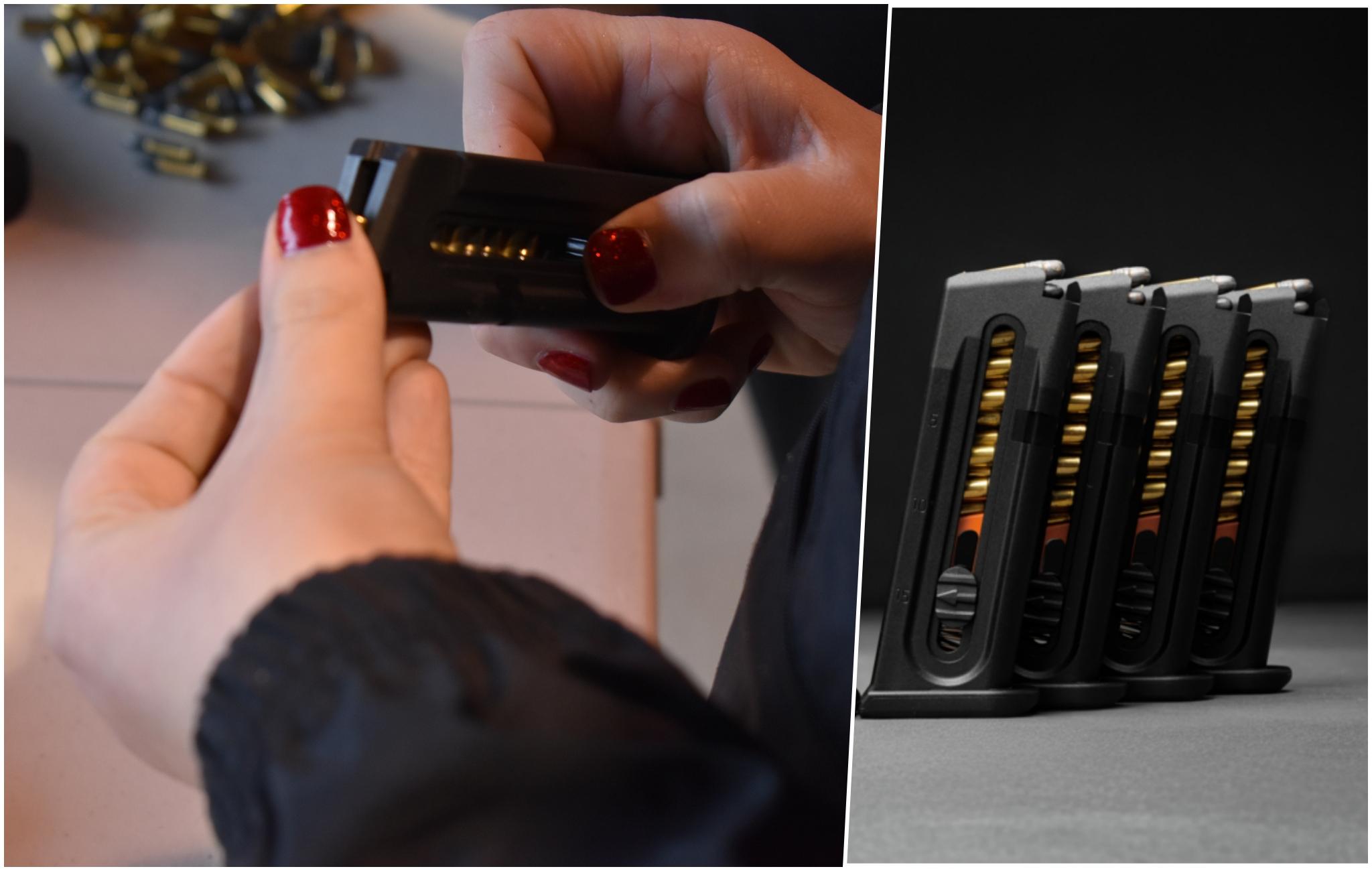
Spare magazines: Since the gun is so fun to shoot, spare OEM 15-round mags can be had for around $25. ProMag 18-rounders exist and can be had for as low as $15 but are not as reliable. With the Glock factory mags just $10 more, it is hard to justify not opting for them.
Long-term maintenance: A longer-term investment in keeping the gun running past 3,000 rounds is replacement recoil springs. Plan ahead.
Maintenance and Care
The proper care and feeding of any rimfire autoloader is fundamental to keeping it running, even with Glock’s fabled reliability. This is due to the excessively dirty nature of rimfire ammo.
Many .22 bullets are either simple non-jacketed lead or use a waxy lube coating that shaves off or melts into the barrel and action, leaving behind lots of gummy residue that will eventually retard the slide’s movement and the barrel’s lock-up, causing jams. Going further, rimfire primer compounds leave gritty debris that accumulates around the breech face and extractor.
While we were able to log 1,000 rounds of ammo through our test and evaluation G44 without cleaning, this is generally not advisable. Plus, keep in mind that we utilized upper-tier rounds produced primarily for use in semi-auto pistols, which ran cleaner than the average.
The more budget-minded bulk-pack loads will run dirtier in addition to their performance issues.
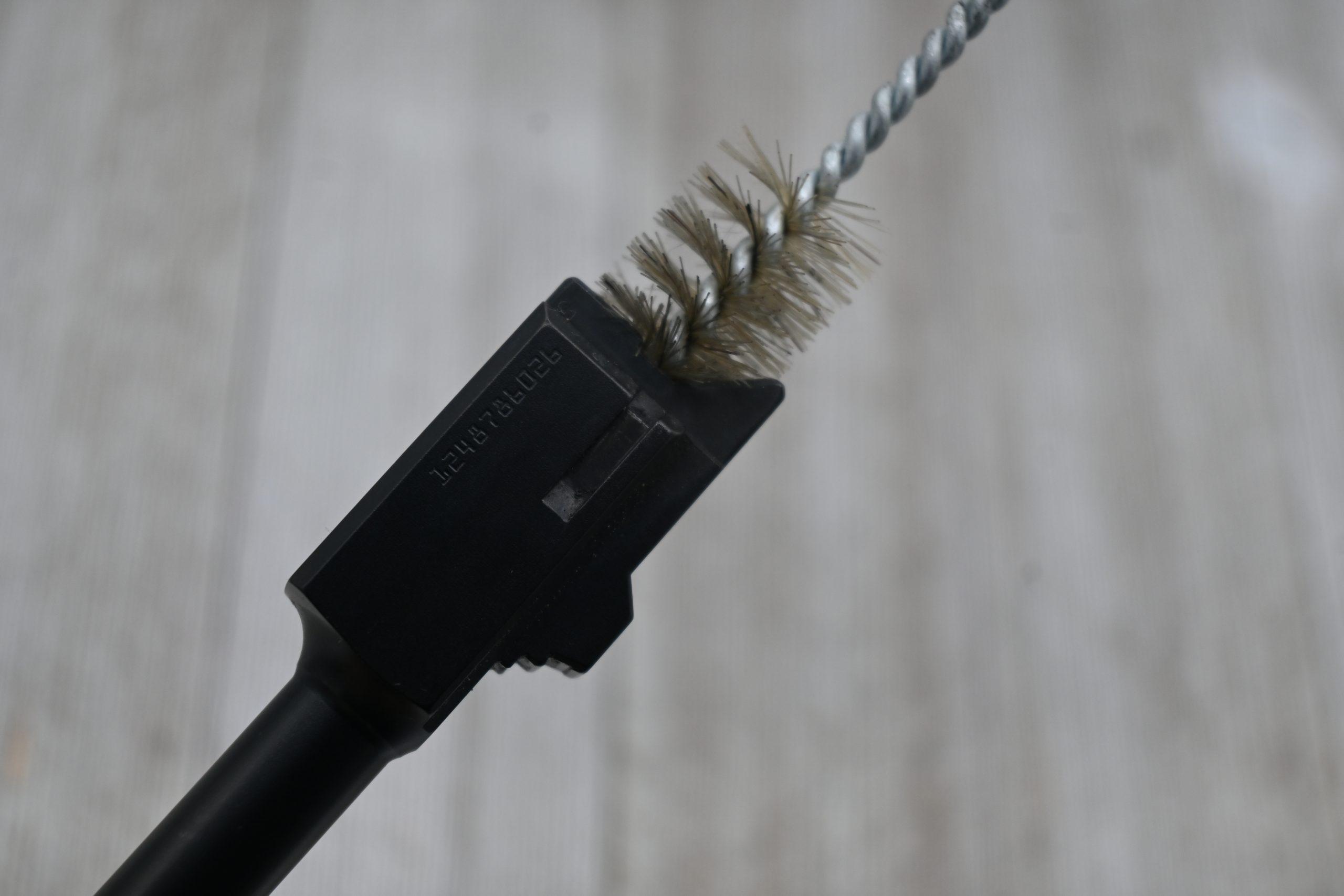
It is advisable to invest in a rimfire bore snake or brush (the pistol ships with one of the latter) that you can use to punch out the barrel and chamber every 100 rounds or so, then do a full field strip and deep clean every 500 rounds or so, paying close attention to the magazine feed lips, chamber and ramp, barrel bore and muzzle, striker face, and slide rails.
When lubing prior to reassembly, these same wear areas are recommended, applying a very light sheen. Be careful not to over-lubricate as it will have the opposite effect, trapping debris and dragging it deeper into the action. When it comes to lube, use products specifically meant for firearms, not “do-all” household lubricants and oils, as the latter typically are not meant to work at high temperatures.
Alternatives to the G44
The Glock 44 is certainly a good pistol, and one of the leading autoloading rimfire pistols on the market today, offering dependability (with decent ammo) while providing very real “subcaliber” training opportunities for those using the Glock 19 or other Glock models.
SIG P322
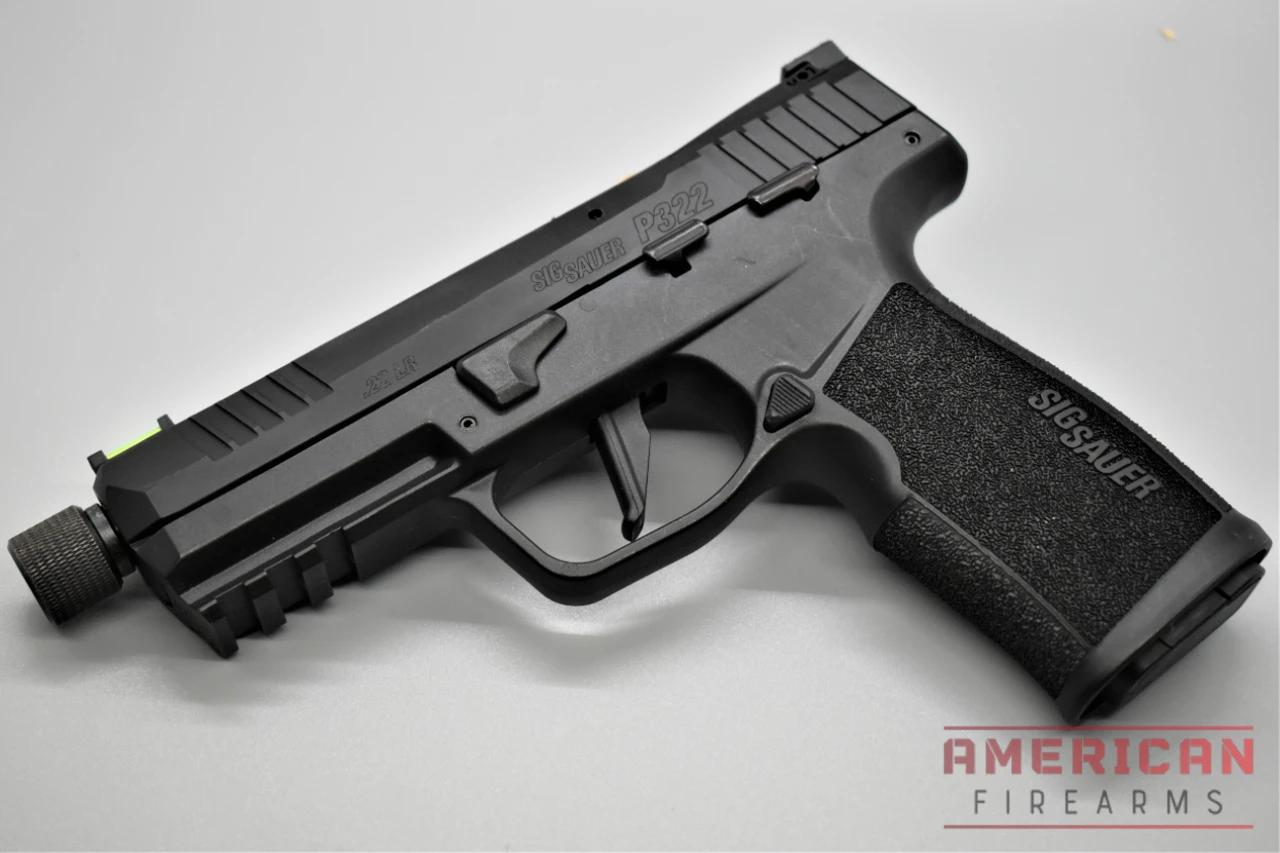
A bit newer to the market, the P322 runs flush-fit 22-round magazines and ships with a thread adapter to run suppressors right out of the box. Plus, it is optics-ready and approximates a P365 in many ways. While the MSRP is pushing $480, these can often be found new for around $350, making it a price match to the G44. If you want more features out of the box, the SIG is worth a look.
Taurus TX22
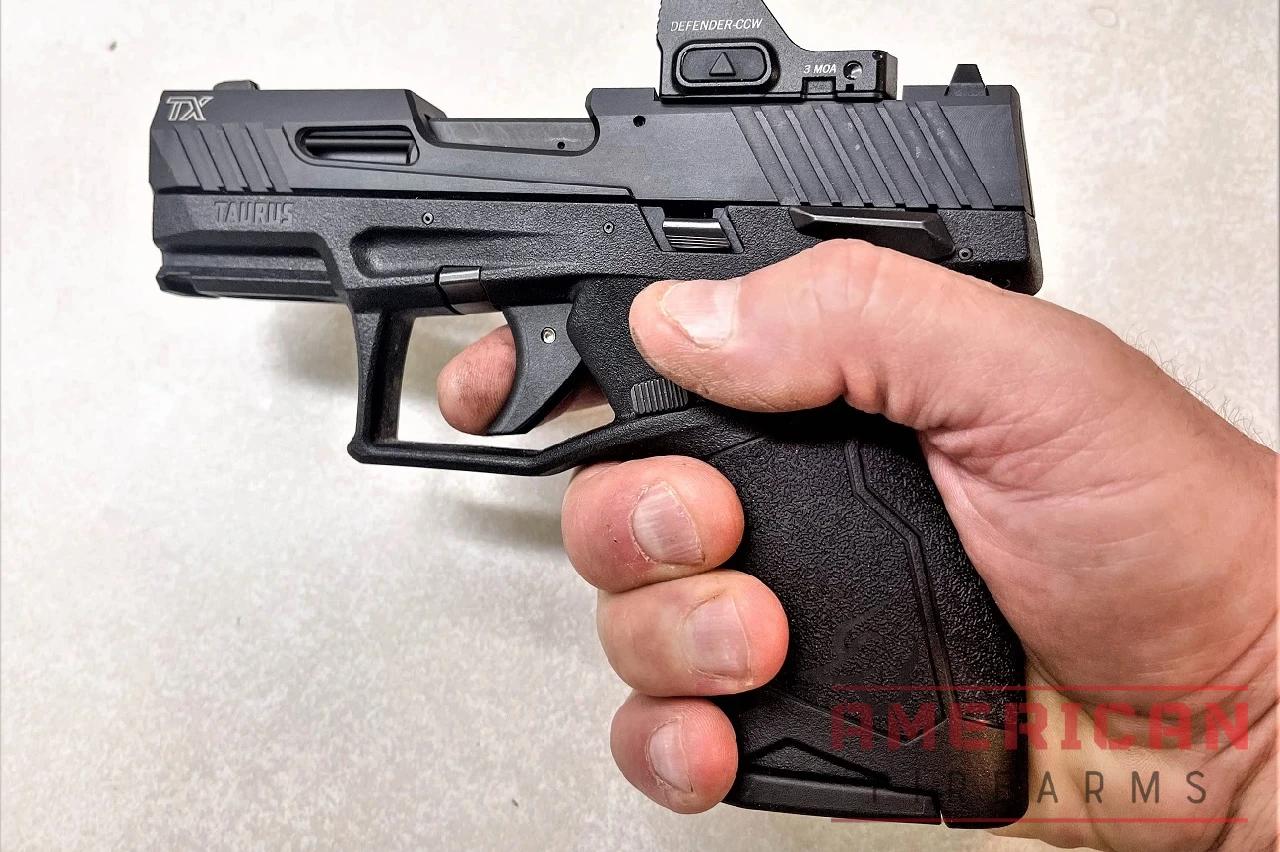
The budget champ in the autoloading .22 space is the 16-shot Taurus TX22, which has seen its popularity explode with the use of aftermarket triggers in recent months.
Besides having tons of third-party accessories already available, the TX22 is sold in an optics-ready TORO variant as well and ships with thread adapters for easy use with suppressors—two things the Glock 44 simply does not offer.
Taurus has banked on the TX22’s popularity to deliver the centerfire TX9 duty pistol to market, essentially mirroring the shared family tree that the G44 and G19 share, just with an inverted timeline. In our review, we thought the TX22 was both a ton of fun and a fantastic value.
The Bottom Line
At the end of the day, the Glock 44 is a straightforward proposition: you want to shoot a lot, spend a little, and still shoot a gun that handles exactly like the Glock 19 you carry. This pistol delivers on that promise. The trigger, ergonomics, and manual of arms are carbon-copy G19. The ammo costs a fraction of 9mm and has nonexistent recoil. If you buy quality ammunition, it will run without complaint.
Where the Glock 44 shines is as a training tool—a purpose-built rimfire trainer that removes cost as a barrier to more practice. New shooters see tangible improvement faster when they can afford to spend a Saturday at the range burning through 500 rounds without doubt or hesitation. Veterans get a low-recoil platform to ingrain dry-fire fundamentals and build muscle memory without running a lifetime’s worth of 9mm ammo. If you’re a Glock guy, this is the gun you’ll enjoy shooting and makes sense on the shelf next to your centerfire carry weapon.
Common Questions
Does the Glock 44 have a break-in period?
How does the Glock 44 compare to other Glocks?
Is the Glock 44 compatible with Glock 19 holsters?
Are threaded barrels or suppressor adapters available?
Is the Glock 44 finicky when it comes to ammo?
What's the one feature you'd change?
Sign up for our newsletter
Get discounts from top brands and our latest reviews!
View by Category

In-Hand Reviews

Firearm News

Featured Comparisons

Firearm & Ammo Reviews

Popular Guides & Stats


Range Gear & Accessories

Gun & Ammo Safes