The Best .380 Pistols (Or Why .380 ACP Refuses to Die)
The best .380 ACP pistols tested and ranked — plus why the caliber keeps outselling every prediction. Five guns, real data, no filler.

Written By
Michael Crites
Licensed Concealed Carry Holder
Reviewed by
Editorial Team
Learn About The Editorial Team
Share:
Products are selected by our editors. We may earn a commission on purchases from a link. How we select gear.
Updated
Sep 2026
The .380 Automatic Colt Pistol cartridge was designed by John Browning and introduced in 1908, debuting alongside the Colt Model 1908 Pocket Hammerless — a handgun specifically engineered to ride in a jacket pocket. Nearly 120 years later, the .380 ACP is not only still with us but more relevant than ever, driven by modern defensive ammunition that has substantially closed the terminal performance gap with 9mm. It should also, by the logic of the last decade’s product development, be losing ground to the miniaturized 9mm pistols that now match its footprint.
The ATF production data suggests otherwise.
The .380 ACP occupies a specific and useful niche: it’s the largest caliber typically found in blowback-action pistols — a category historically populated by .25 ACP and .32 ACP mouse guns — and it delivers enough performance to function as a legitimate defensive cartridge while shipping in handguns small enough for genuine pocket carry. The whole argument for the cartridge is that people will actually have it on them when it matters. Which is the whole point.
There are tradeoffs, of course. Many pistols chambered for the .380 ACP cartridge have historically suffered from limited magazine capacity and somewhat less terminal performance compared to 9mm. Both of those problems have improved considerably in recent years.
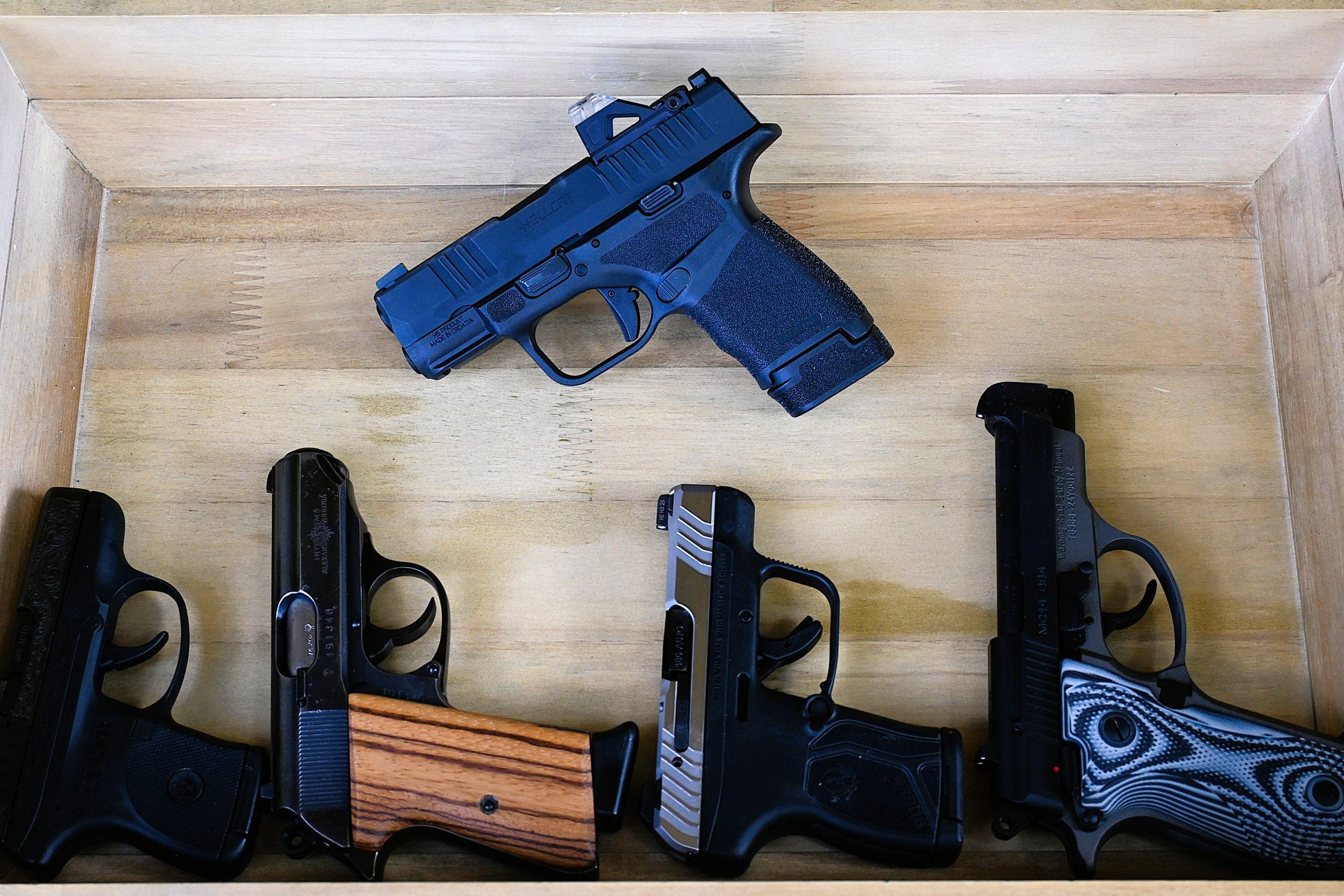
We tested five of the best .380 pistols on the market, and the overall winner is clear: the Springfield Armory Hellcat 380 leads the field in shootability, capacity, aftermarket support, and optics-readiness by a meaningful margin. If pure pocket carry is the priority, the Ruger LCP is still the standard nobody’s beaten in nearly 20 years, and if you want the best-shooting .380 in the group, the EAA MC14 G84 is the pick.
In This Article
The Cartridge That Won't Cooperate
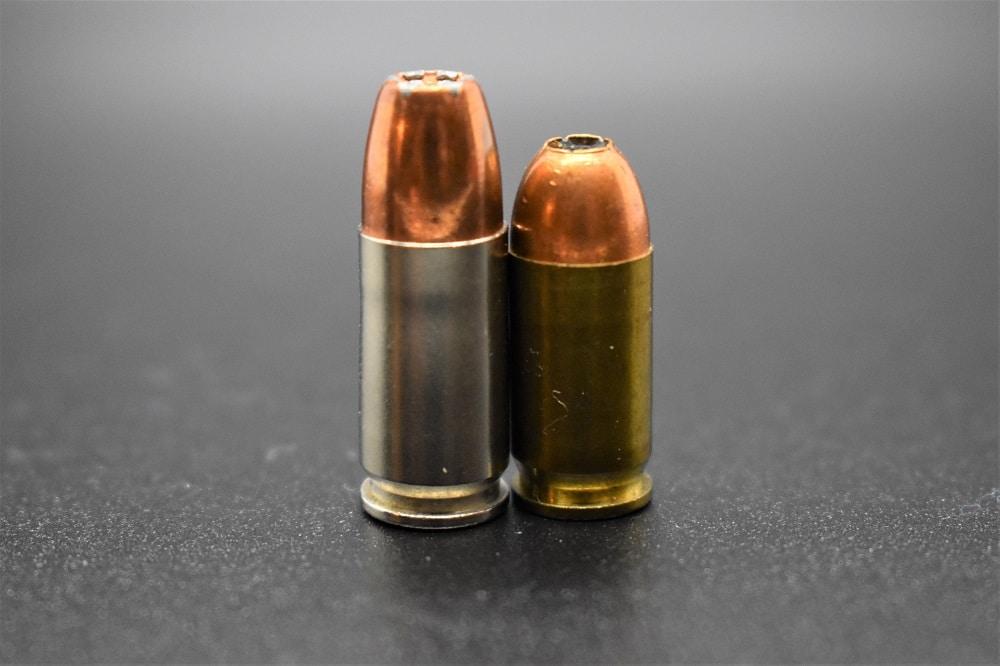
The conventional story told about .380 ACP is an ammo story. Modern defensive loads — Federal’s 95-grain HST, Speer’s Gold Dot Short Barrel, Hornady’s FTX Critical Defense — closed the terminal performance gap enough to make the caliber legitimate. Problem solved. Move on.
The ATF production data tells a more complicated story.
Between 1993 and 1998, domestic .380 ACP pistol production collapsed from 508,000 units to 98,000. The market was working as intended: 9mm had proven superior by every meaningful performance metric, polymer service pistols were getting lighter and more reliable every year, and the old blowback .380s were starting to look like relics. By 1998, the caliber had shed roughly 80 percent of its production peak in five years.
Then Ruger launched the LCP in February 2008.
The numbers after that are hard to argue with. .380 production went from 138,000 units in 2007 to 279,000 in 2008 — more than doubling in a single year. It hit 390,000 in 2009. By 2010, 615,000. By 2013, 852,000. The 2016 figure of 1,129,761 domestic units was the highest single-year .380 production total in the AFMER dataset.
The caliber that was functionally dying in 1998 had reached a million-unit annual production run by 2016 — a ten-fold increase in 18 years. In the five-year window from 2014 to 2018, .380 ACP averaged 22.8 percent of all domestic pistol production. Not a niche. A major category.
The ammo-improvement story doesn’t fit the timing. The LCP launched as a nine-ounce blowback pocket pistol at a $300 price point. The defensive ammo improvements that would eventually validate the caliber’s terminal performance came years into that surge, not before it. Buyers didn’t stampede toward .380 because someone finally built a good hollow point.
They stampeded because Ruger built a handgun that disappeared into any pocket in any clothing.
Platform. Not ballistics.
The miniaturized 9mm should have finished the job. The SIG P365 arrived in 2018, the Springfield Hellcat in 2019 — micro-compact 9mm pistols with footprints comparable to mid-size .380s, carrying clearly superior terminal performance. By the logic of the caliber debate, that’s checkmate. It wasn’t. .380 ACP held its position as a production-volume category because it serves a buyer those pistols don’t serve quite as well: lighter recoil, smaller grip circumference, lower slide resistance.
The population that matters here isn’t the r/CCW crowd. It’s the 68-year-old with early-stage rheumatoid arthritis whose son took her to the gun store after the neighbor got robbed. She isn’t reading terminal ballistics threads. She’s checking whether she can rack the slide.
That’s a structural inference, not a direct demographic survey — the AFMER data tracks units by caliber, not buyer profiles. But the product characteristics of the .380’s most popular platforms tell the story clearly enough. The Ruger LCP exists for one reason, and it isn’t that John Browning’s 1908 load groupings were compelling. It exists because compliance is the variable that actually determines whether a defensive firearm gets used. The carry gun left in the nightstand because it’s too heavy isn’t protecting anyone.
The caliber debate, as conducted on forums and YouTube channels for the past two decades, has largely been a conversation among enthusiasts about a buyer neither side is representing. The five pistols below are evaluated with both audiences in mind.
How We Chose These .380 ACP Pistols
None of the five pistols in this evaluation is a recent unknown. All have documented real-world track records, sufficient production history to assess quality control, and enough user data to separate early-adoption quirks from genuine platform characteristics.
We ranked on shootability (felt recoil, muzzle flip, follow-up shot control), concealability, ergonomics, and price — including each platform’s upgrade ceiling and aftermarket depth.
The 5 Best .380 Pistols
Comparison Table
| Spec | Hellcat 380 | EAA MC14 G84 | Ruger LCP | Ruger LCP Max | Walther PPK |
|---|---|---|---|---|---|
Overall Length | 6.0 in | 6.8 in | 5.16 in | 5.17 in | 6.1 in |
Barrel Length | 3.0 in | 3.8 in | 2.75 in | 2.75 in | 3.3 in |
Weight (unloaded) | 16.1 oz | 21.3 oz | 9.06 oz | 10.6 oz | 19 oz |
Capacity | 11+1 / 13+1 | 13+1 | 6+1 | 10+1 / 12+1 | 6+1 / 7+1 |
Height | 4.0 in | 4.9 in | 3.6 in | 4.12 in | 4.3 in |
Width | 1.06 in | 1.32 in | 0.82 in | 0.81 in | 1.0 in |
MSRP | $653 | ~$399 | $259 | $359 | $969 |
Best For | Overall carry optics capacity | Best shooter DA/SA double-stack | Ultimate pocket carry | High-capacity pocket | DA/SA legacy collector2 / 2 |
The Pistols
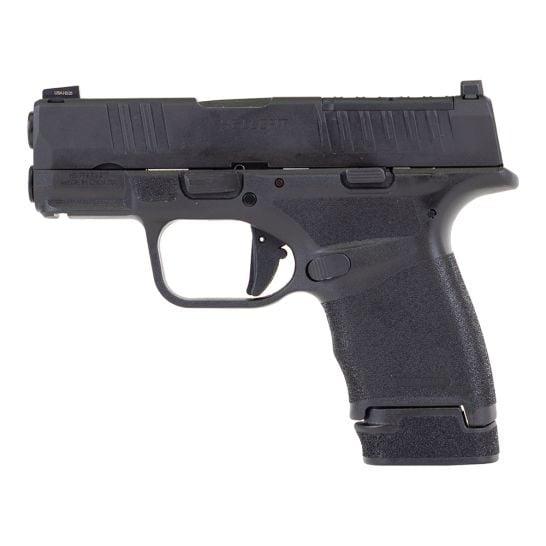
1. Springfield Armory Hellcat 380 — Best Overall Striker-Fired .380
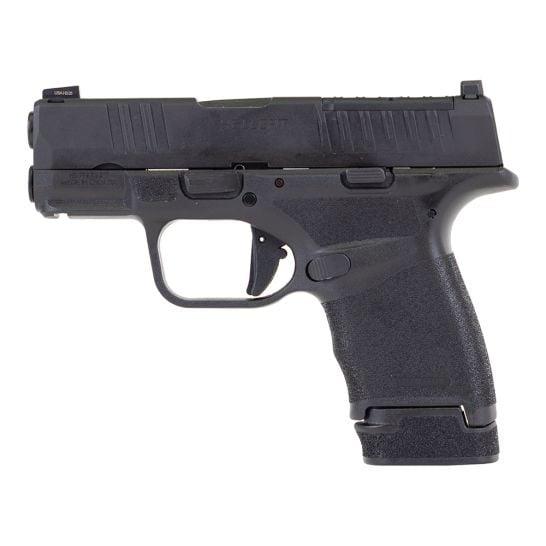
Overall Length: 6 inches | Barrel Length: 3 inches | Weight (Unloaded): 16.1 oz | Capacity: 11+1 / 13+1 | Action: Striker-fired | Height: 4 inches | Width: 1.06 inches | MSRP: $653
Pros:
- Best trigger pull in the test group (5.5 lbs, consistent)
- Optics-ready — accepts Shield RMSc footprint
- Highest magazine capacity in its size class
- Full holster and aftermarket ecosystem inherited from the 9mm Hellcat
- Laser sight rail-compatible
Cons:
- Highest price in the group at $653
- Finish wear at the muzzle nose after extended holster cycling (cosmetic only)
- Too large for reliable pocket carry in most clothing
After two decades of striker-fired polymer development across the HS2000 and Springfield XD line, the Hellcat micro 9 landed in 2019, with the later Pro version immediately becaming a serious alternative to the SIG P365, offering one additional round in a comparable footprint.
Springfield followed with the Hellcat 380, which carries everything that made the 9mm version work — the same holster fitments, the same optics-ready slide, the same micro-compact ergonomics. What changes is the caliber and the recoil impulse, and both changes work in the shooter’s favor. This is one of the few .380s you will genuinely enjoy shooting.
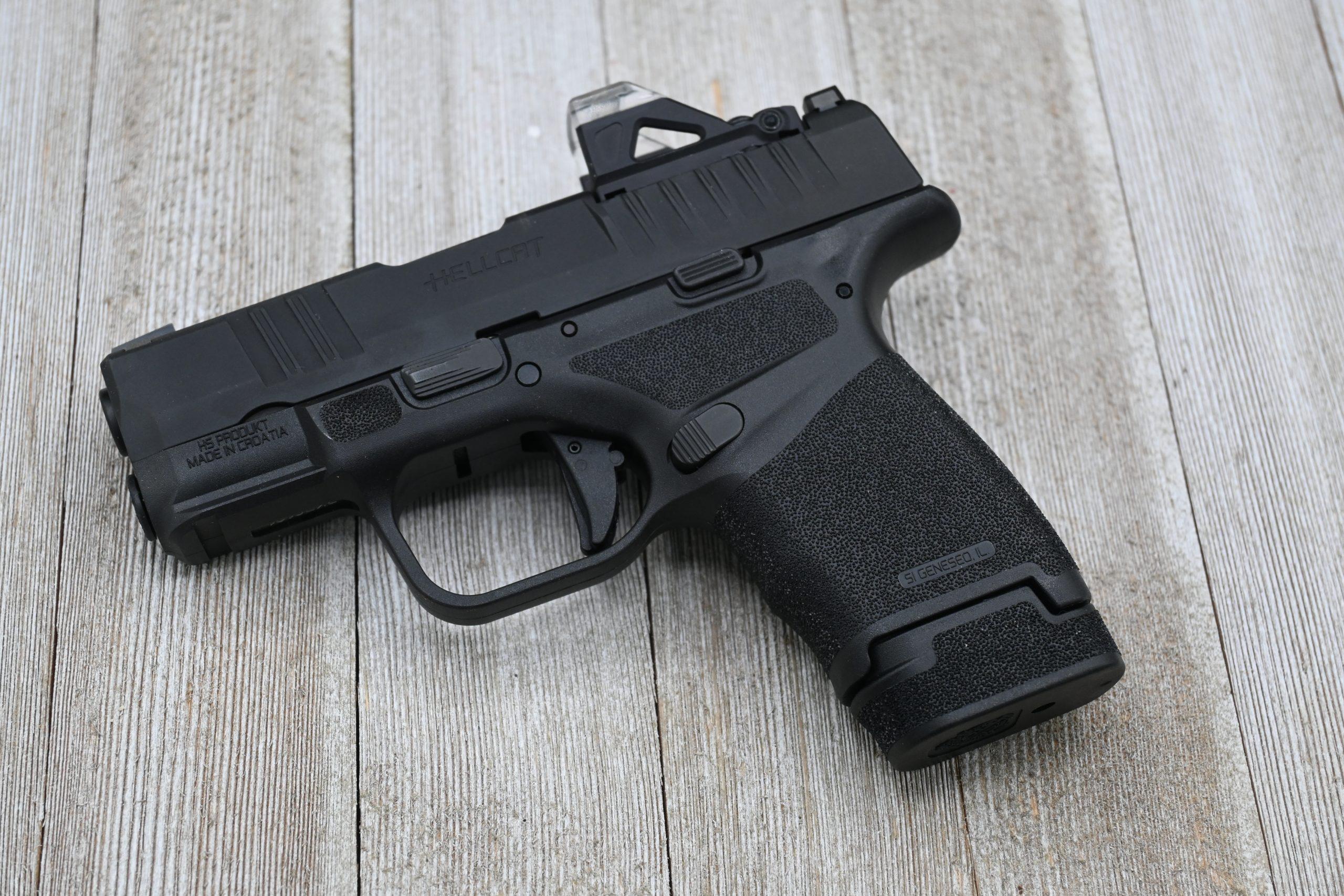
The Hellcat 380 runs 11+1 on a flush magazine and 13+1 with the extended, which puts it in the double-stack tier for .380 ACP carry guns. At 4 inches of height it technically sits inside the pocket carry envelope, though it’s far better suited to AIWB with a dedicated holster.
The barrel length comes in at 3 inches and overall length at 6 inches — compact without cramping the grip.
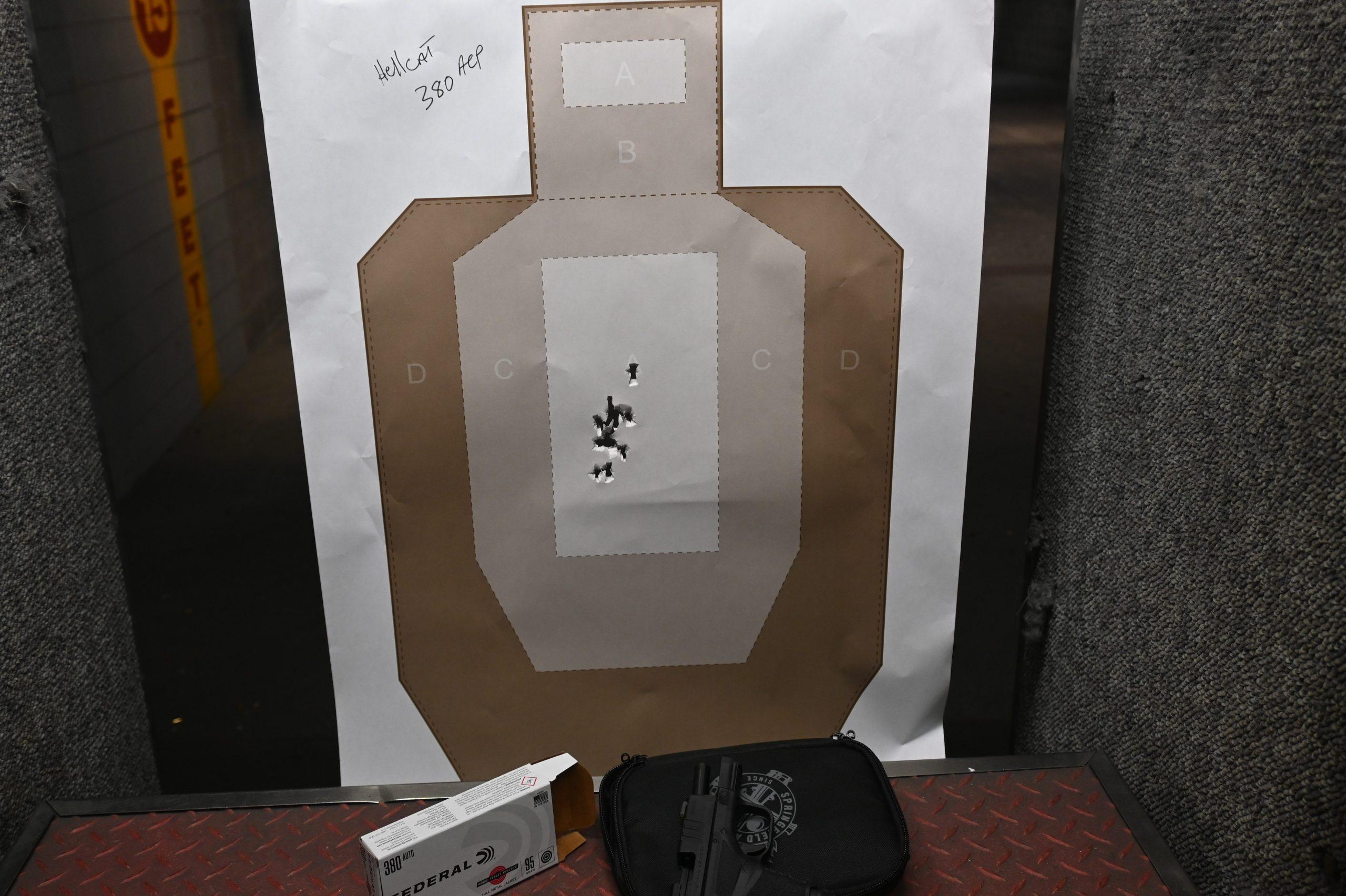
The striker-fired trigger breaks at a consistent 5.5 pounds — the best in our test group, and noticeably cleaner than anything else at this size. The slide features aggressive cocking serrations front and rear, which matters when you’re working against the stout recoil spring on a small-bore blowback pistol.
The optics cut accepts Shield RMSc-footprint red dots, which is a capability essentially no other pistol in this class offers. Add a laser sight to the accessory rail and you have a micro carry gun that a full-size shooter can train on seriously.
Plus, the holster ecosystem built for the 9mm Hellcat transfers directly. Most .380 pistols are orphans in that department. The Hellcat is not.
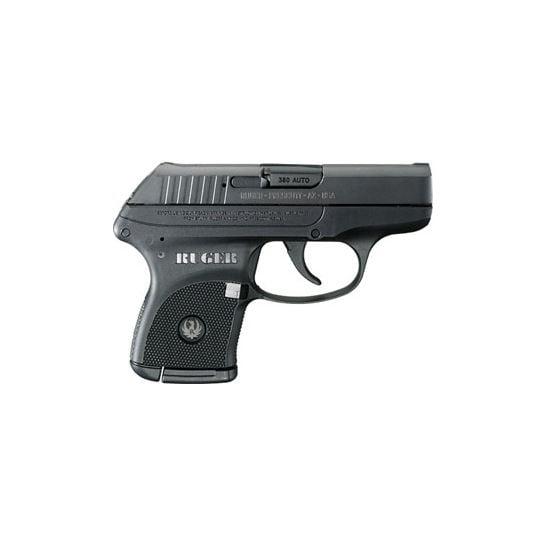
2. Ruger LCP — The Pocket Carry Standard
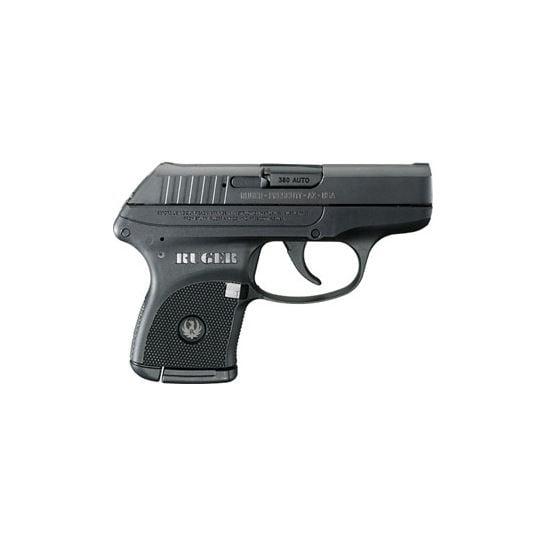
Overall Length: 5.16 inches | Barrel Length: 2.75 inches | Weight (Unloaded): 9.06 oz | Capacity: 6+1 | Action: DAO Hammer-fired | Height: 3.6 inches | Width: 0.82 inch | MSRP: $259
Pros:
- Lightest and most concealable in the test group
- True pocket carry in virtually any clothing
- Proven 20-year track record with wide parts availability
- $259 MSRP is hard to argue with
Cons:
- Long DAO trigger pull (6–7 lbs) limits practical accuracy under speed
- Snappy recoil discourages volume training
- Minimal sights
- Racking the slide requires hand strength — test before you buy
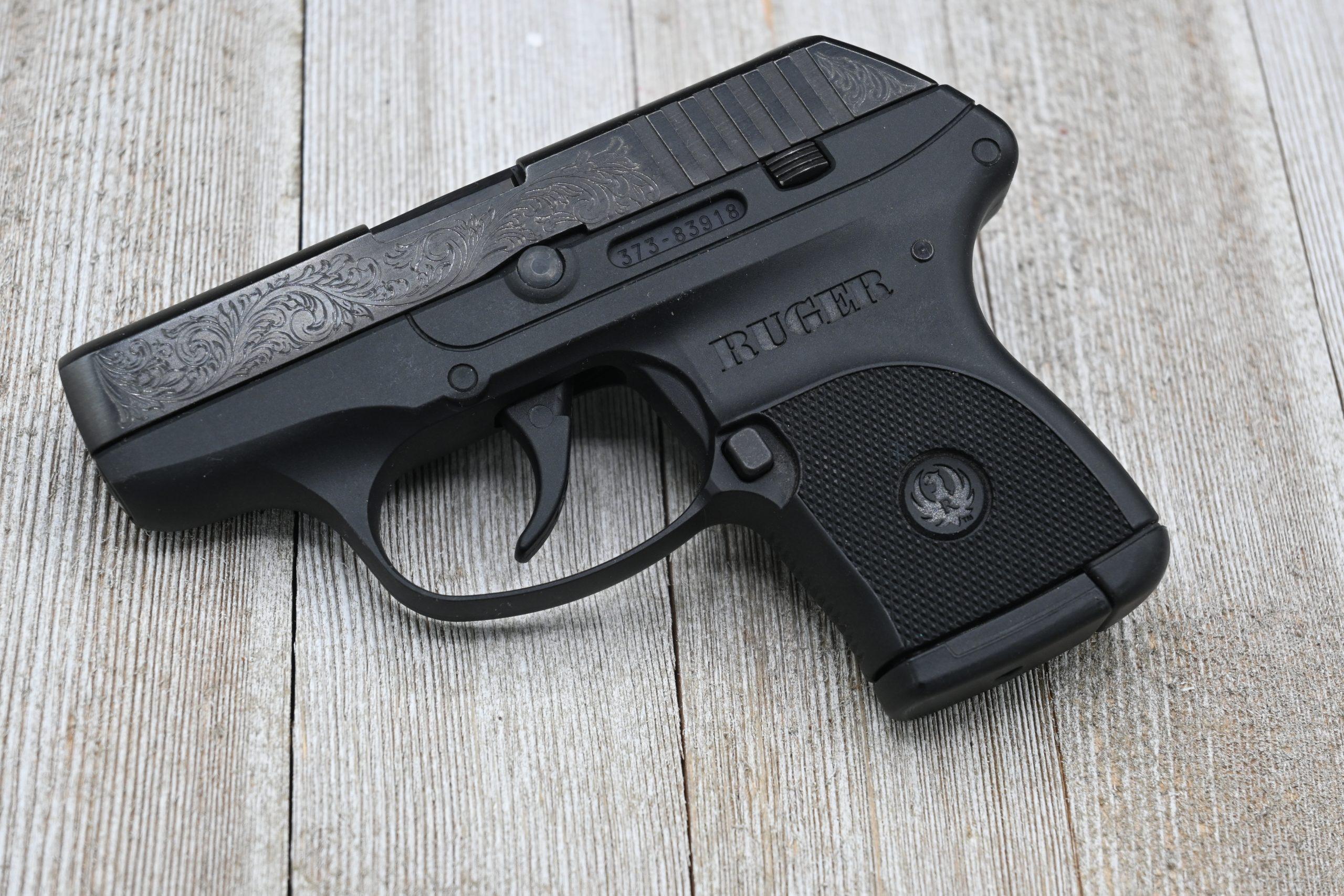
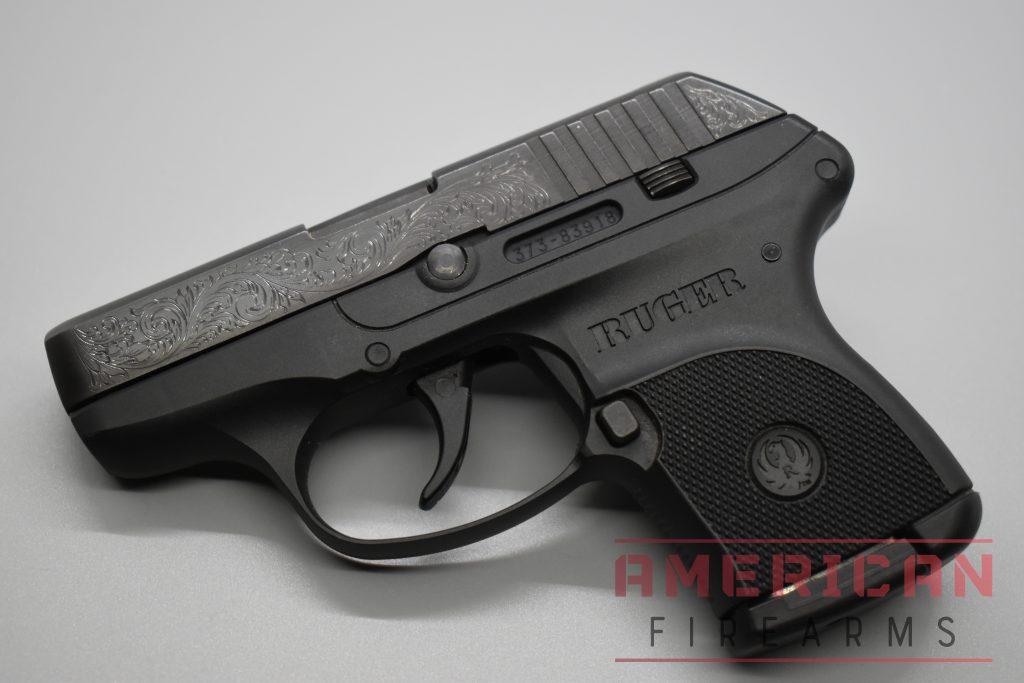
Ruger redefined the pocket pistol in 2008 when the LCP arrived: nine ounces, 6+1 rounds of .380 ACP, and dimensions that fit in the palm of your hand. It delivered the same capacity as the Walther PPK at less than half the weight.
At 3.6 inches of height and just over 5 inches of overall length, the Ruger LCP edges out genuinely tiny pocket guns like Beretta’s Tomcat and Bobcat series while remaining one of the most concealable semi-automatic handguns ever made. The fact that it typically runs around $225-250 brand new has not hurt its sales.
The action is hammer fired, double-action-only, with a long trigger pull and a bobbed hammer spur that prevents snagging during a pocket draw. The sights are minimal by design — almost vestigial — because you want them short and melted to avoid catching fabric on the way out.
The recoil spring is stout for the platform’s weight, which contributes to the snappy impulse you feel with each shot.
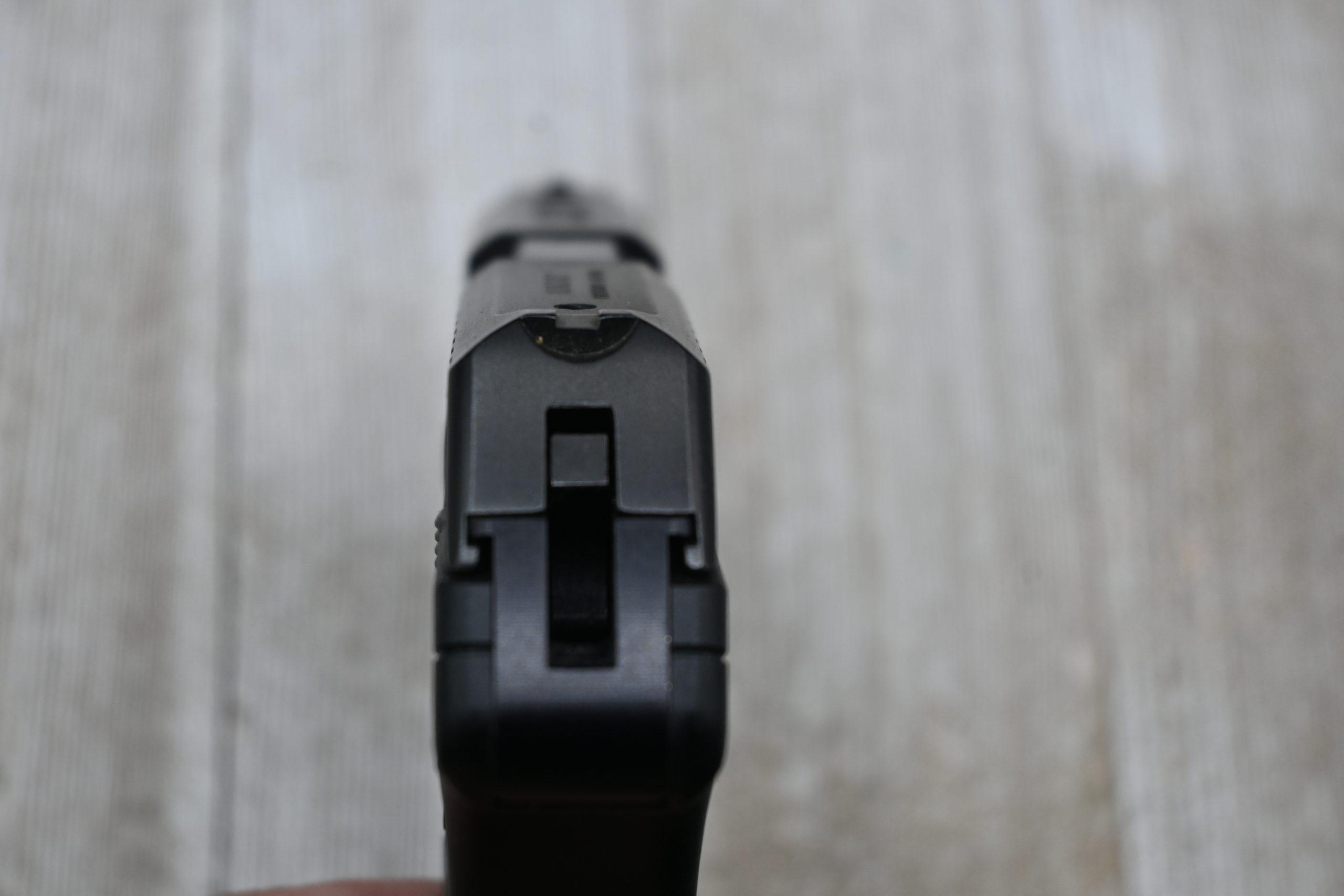
When it comes to rocks to throw: the trigger reach is long, follow-up shots require genuine discipline, and the snap from a nine-ounce .380 ACP is real. Racking the slide over a fully seated magazine takes more committed hand strength than you’d expect from something this small.
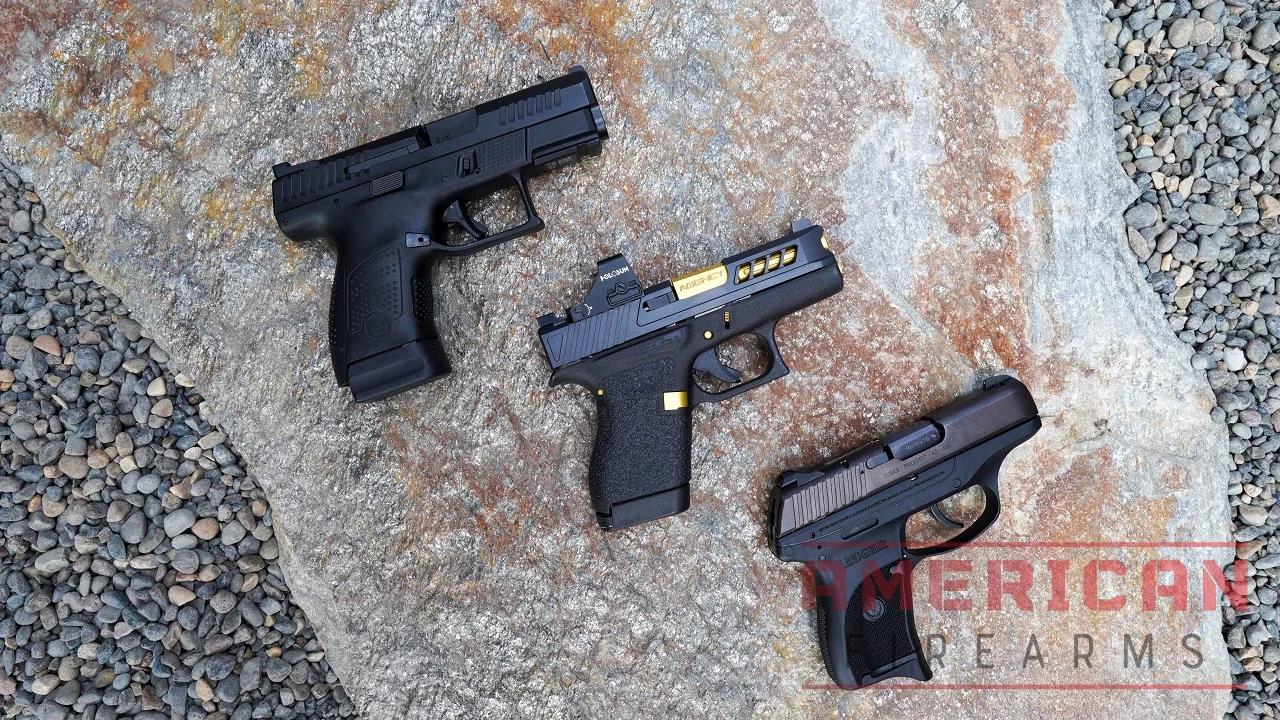
The sight picture is marginal past close range. This is not a gun you’ll enjoy shooting in volume at the range. But that is not what the LCP is for. It is a point-and-squeeze close-range defensive tool that disappears into any pocket in any garment.
Seven rounds of .380 ACP on a platform that weighs less than most smartphones. The Ruger LCP has been unseen in the best places for nearly 20 years. It remains the people’s champ for pocket carry.
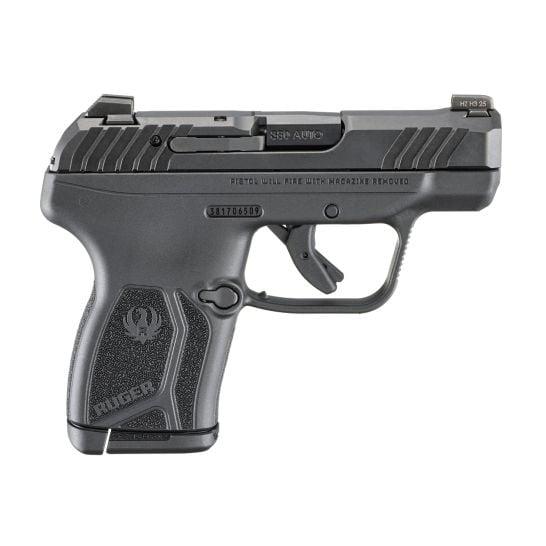
3. Ruger LCP Max — High-Capacity Pocket .380
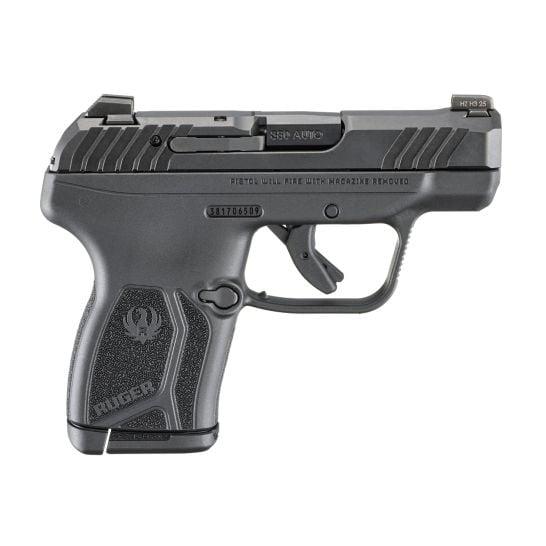
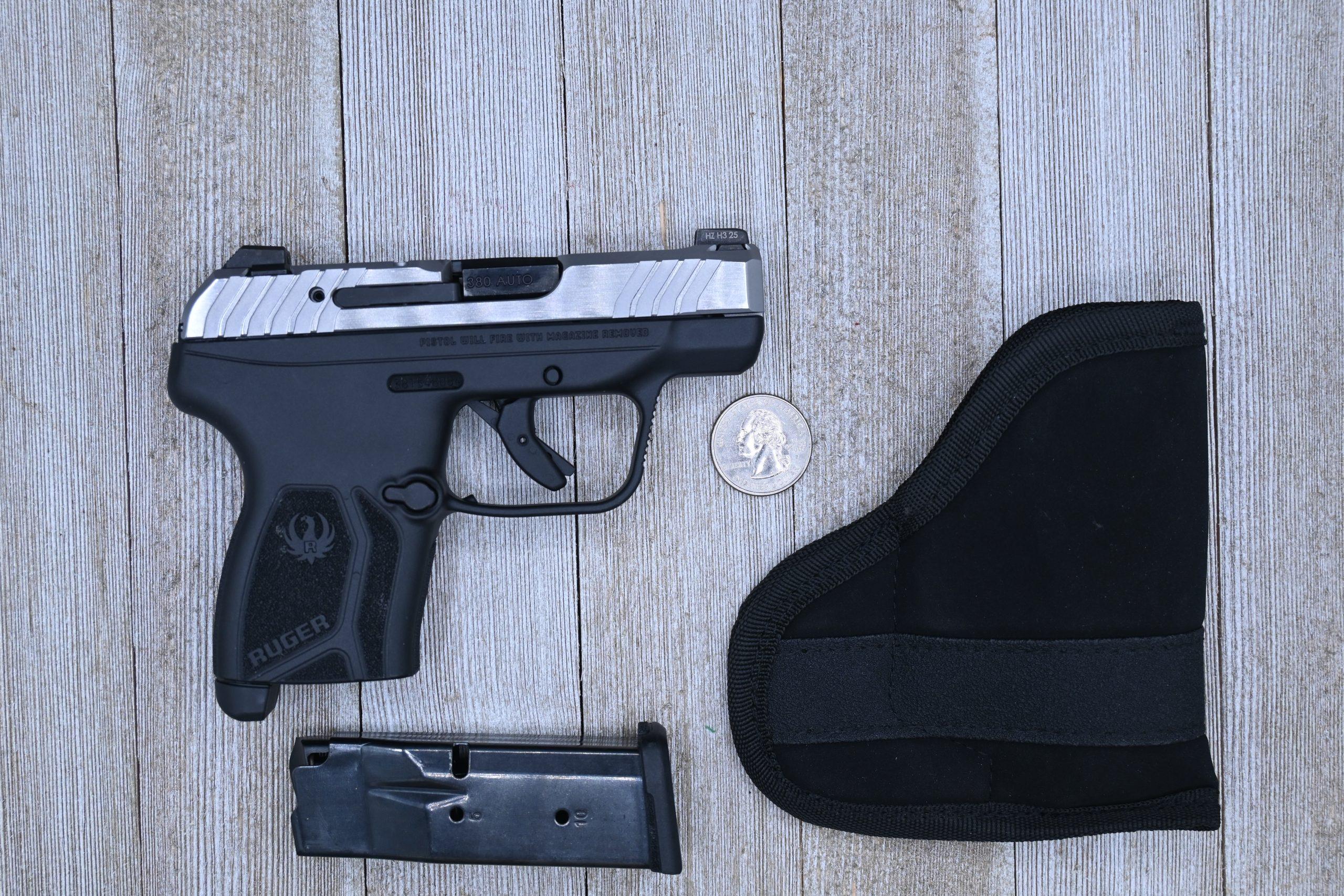
Overall Length: 5.17 inches | Barrel Length: 2.75 inches | Weight (Unloaded): 10.6 oz | Capacity: 10+1 / 12+1 | Action: DAO Hammer-fired | Height: 4.12 inches | Width: 0.81 inch | MSRP: $359
Pros:
- Best capacity-to-footprint ratio in the pocket pistol category
- Optional manual safety variant available
- Only fractionally larger than the original LCP
Cons:
- Same trigger and sight limitations as the base LCP
- Wider grip prints more in fitted clothing
- Slide rack demands real hand strength
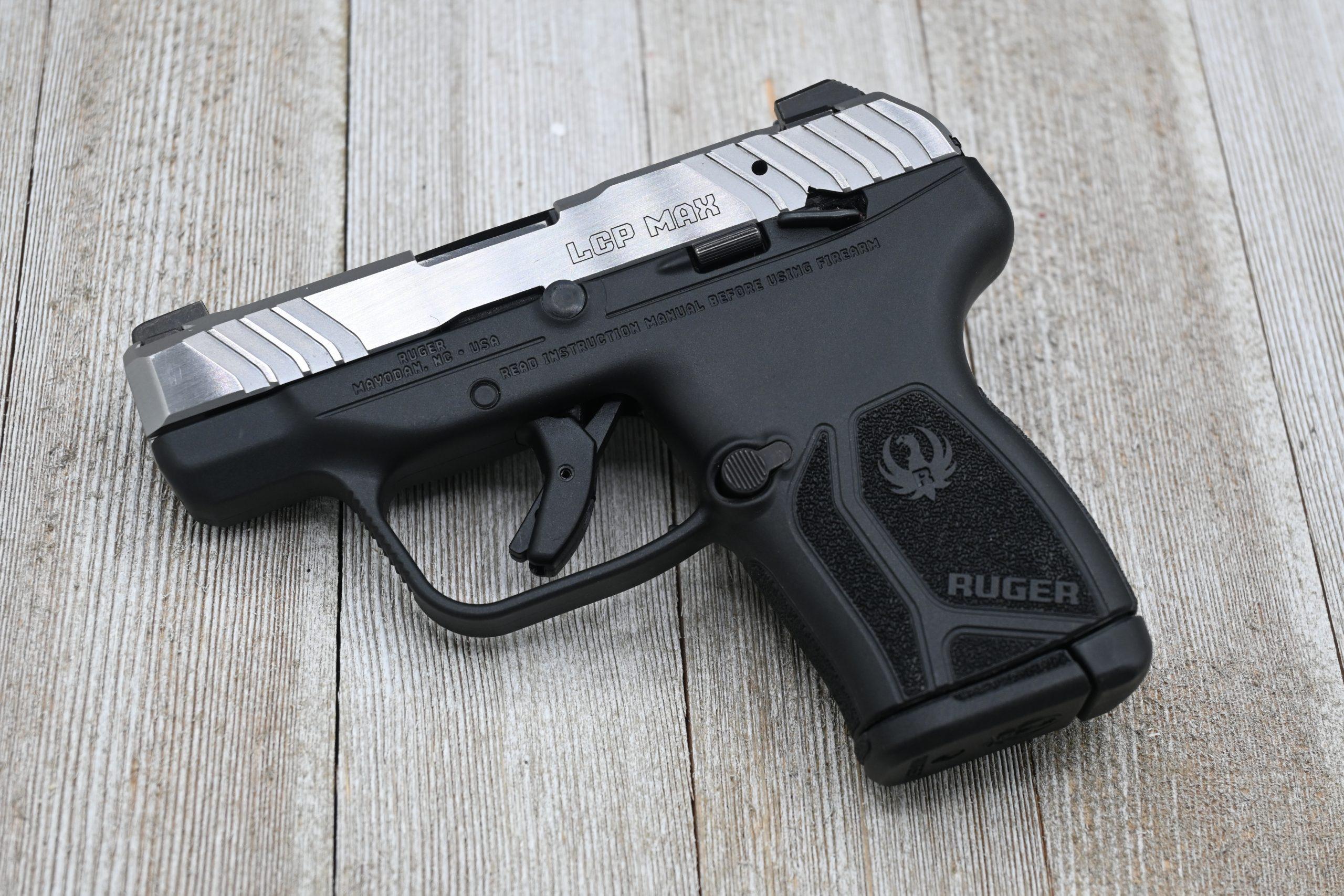
Imagine the Ruger LCP reworked based on years of user feedback to accept a double-stack magazine — bumping capacity from 6+1 to 10+1 flush or 12+1 extended — while remaining genuinely pocketable, and you have the Ruger LCP Max.
The footprint grows slightly. The wider grip gives it more of a presence in a pocket, but the tradeoff is 66 percent more ammunition without reaching for a second magazine, plus a grip that actually fills the hand. Ruger also addressed a persistent request from the original’s user base by offering the LCP Max with an optional manual safety, available as models 13749 and 13754.
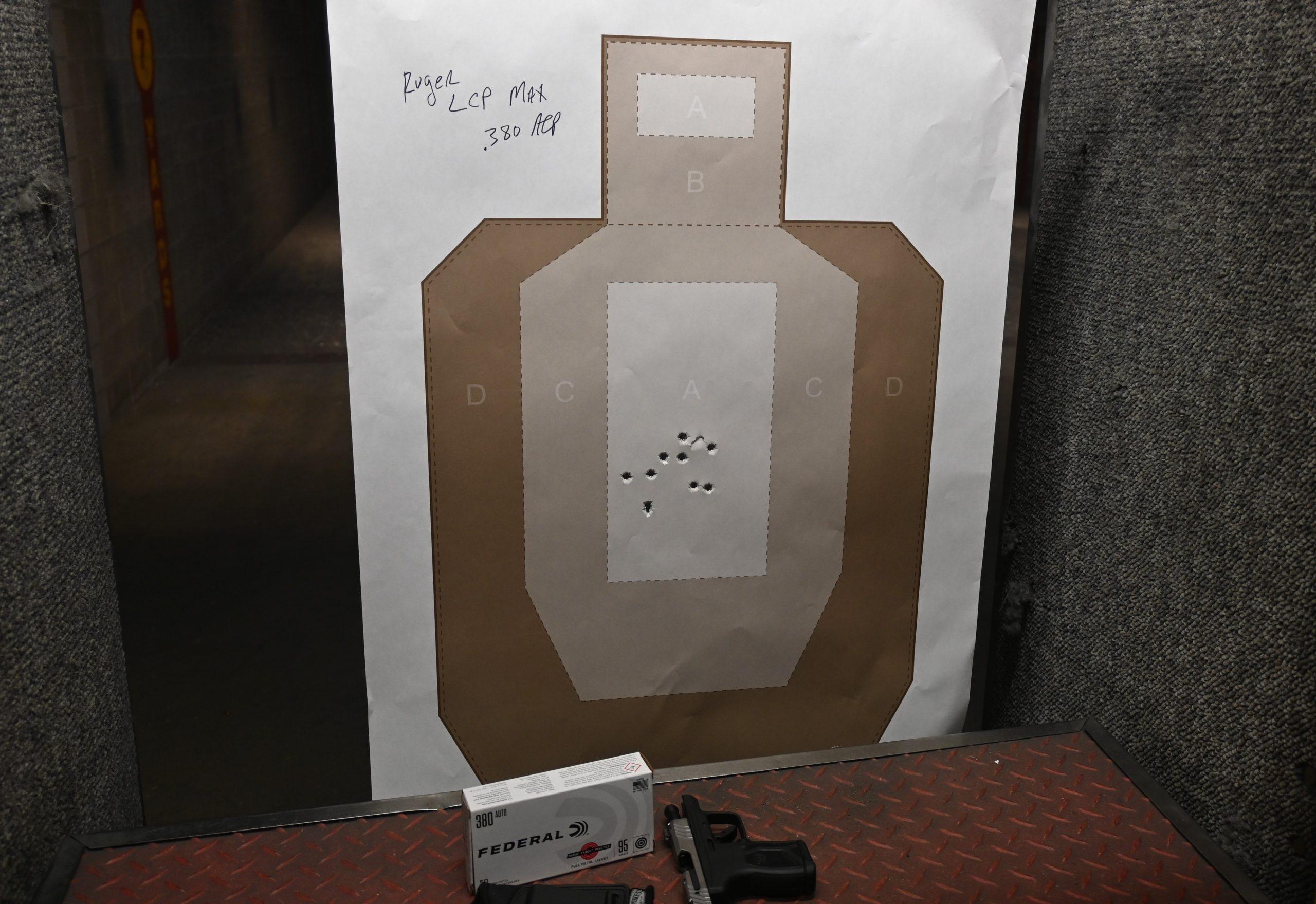
Like the standard LCP, the LCP Max is hammer fired with a long double action trigger pull — expect 6 to 7 pounds. The same recoil spring characteristics carry over: the slide requires a committed rack, particularly over a fully seated magazine.
Cocking serrations on the rear of the slide help, but hand strength remains a real factor for shooters who struggle with small high-tension slides.
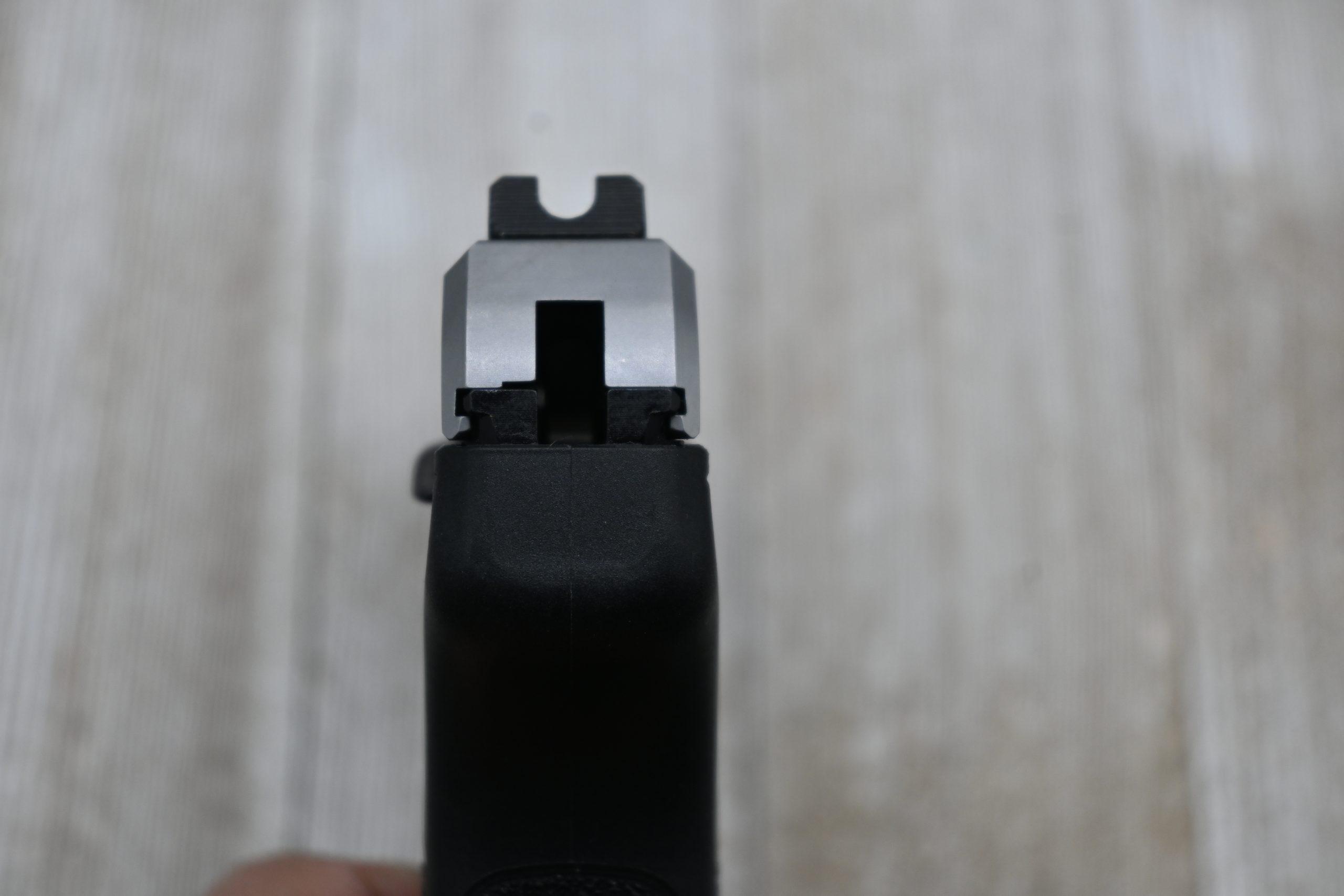
When it comes to rocks to throw: the LCP Max shares many of the original LCP’s range limitations — muzzle flip, marginal sights, and a recoil impulse that discourages extended sessions. The thicker grip helps tame that somewhat, and the larger magazine capacity is genuinely welcome in a defensive context.
The same caution applies as with the base LCP: test the slide rack before committing.
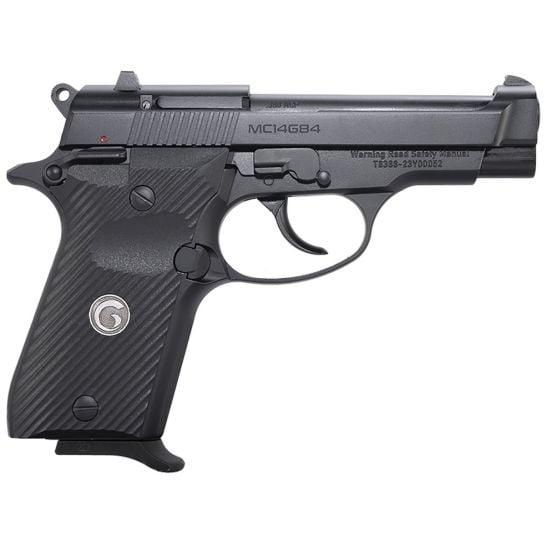
4. Beretta 84 and Clones (EAA MC14 G84) — The Double-Stack DA/SA Classic
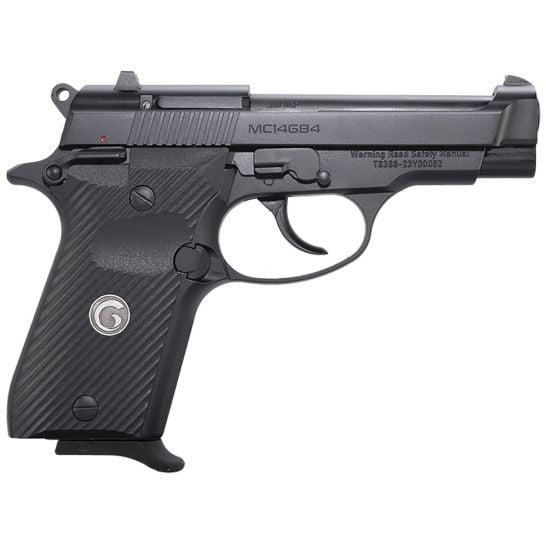
Overall Length: 6.8 inches | Barrel Length: 3.8 inches | Weight (Unloaded): 21.3 oz | Capacity: 13+1 | Action: DA/SA Hammer-fired | Height: 4.9 inches | Width: 1.32 inches | MSRP: ~$399
Pros:
- Best pure shooting experience in the test group
- 13+1 double-stack capacity
- Five decades of holster, parts, and magazine availability
- DA/SA trigger feel is the best in class
Cons:
- Largest and heaviest in the group — no pocket carry
- Clone quality control varies by production run and importer
- Full-size printing under a cover garment
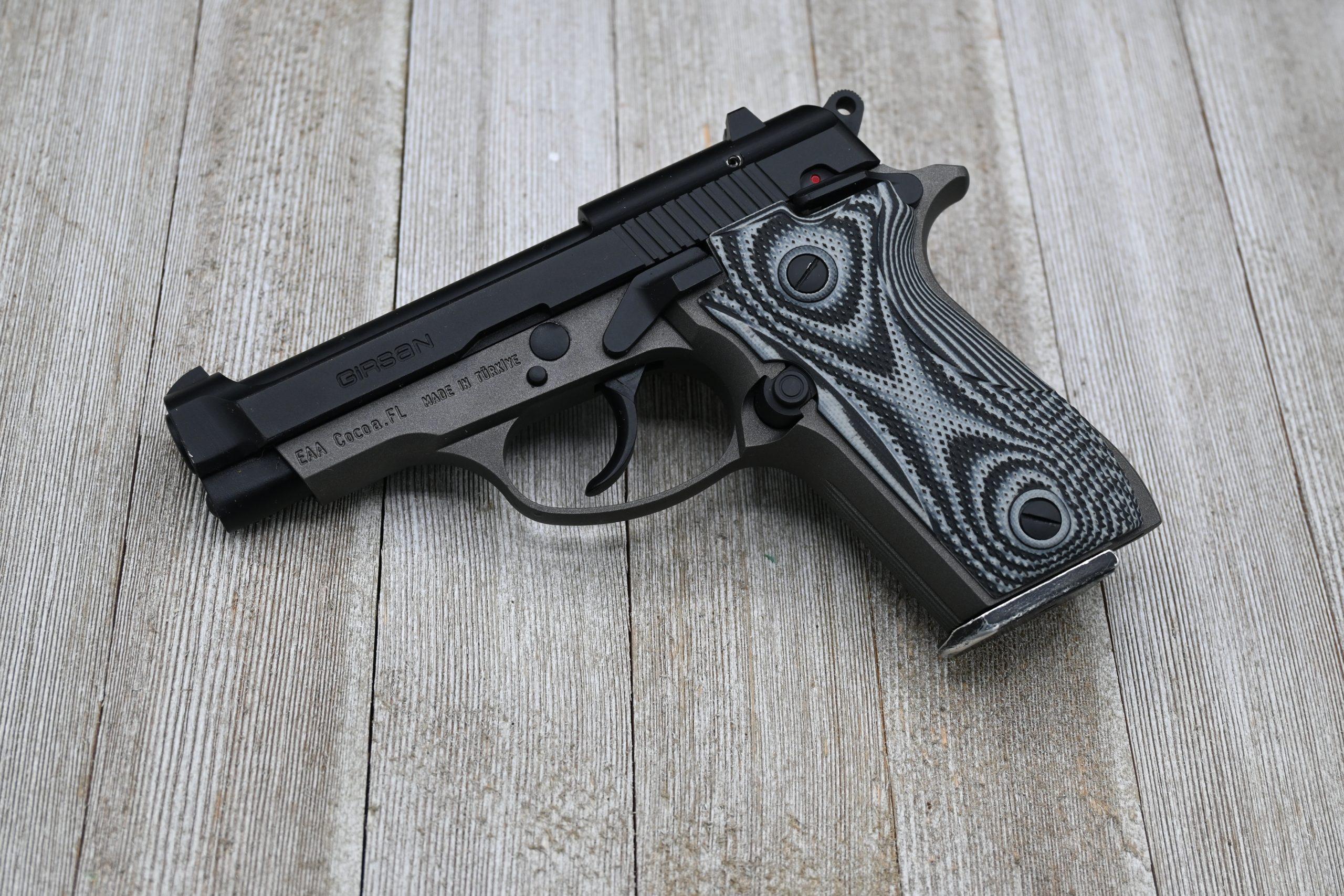
In 1975, Beretta introduced two things simultaneously: the Model 92 series 15-shot 9mm pistol that would eventually become the U.S. military’s sidearm, and, somewhat lost in that noise, a downsized .380 ACP family built on the same double action/single action chassis with the same open-slide format borrowed from the Walther P-38.
That was the 80 series — the Cheetah — and its double-stack Model 84 variant, with 13+1 rounds on tap, became a hit on both European police markets and the American consumer market for the better part of five decades.
Direct Beretta 84 production ended roughly a decade ago, but the design lives on in Turkish-made clones: the Tisas Fatih 13 B380 (imported by ATI and SDS) and the Girsan MC14 series imported by EAA.
We ran the MC14 G84, a standard blowback-action 84 clone with a Brigadier-style safety/decocker. Quality control on these imports has been generally solid, with the occasional variance you’d expect from any offshore production run.
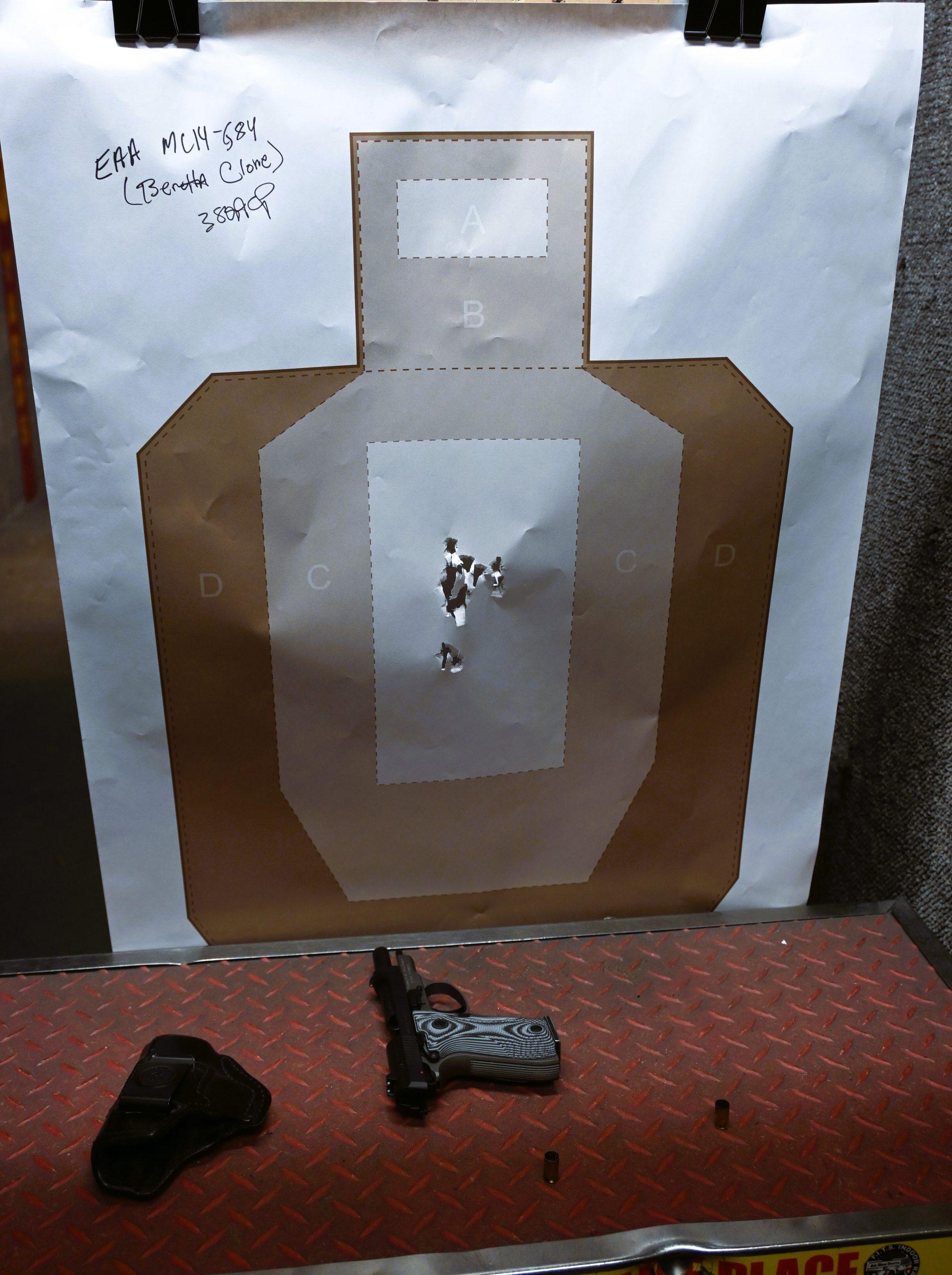
The Beretta 92 series is renowned for its accuracy, owing largely to its nearly fixed barrel. The 84 is fundamentally a blowback 92 in .380 ACP, and it shoots accordingly — better than its size suggests it should.
The double action trigger first shot runs at 7 pounds in our testing; the single action breaks cleanly at 4. The overall shooting experience is the most “full-size handgun” of anything in this roundup. Ergonomics fill the hand, iron sights are genuinely usable, and controls are instinctive for anyone who has spent time on DA/SA firearms.
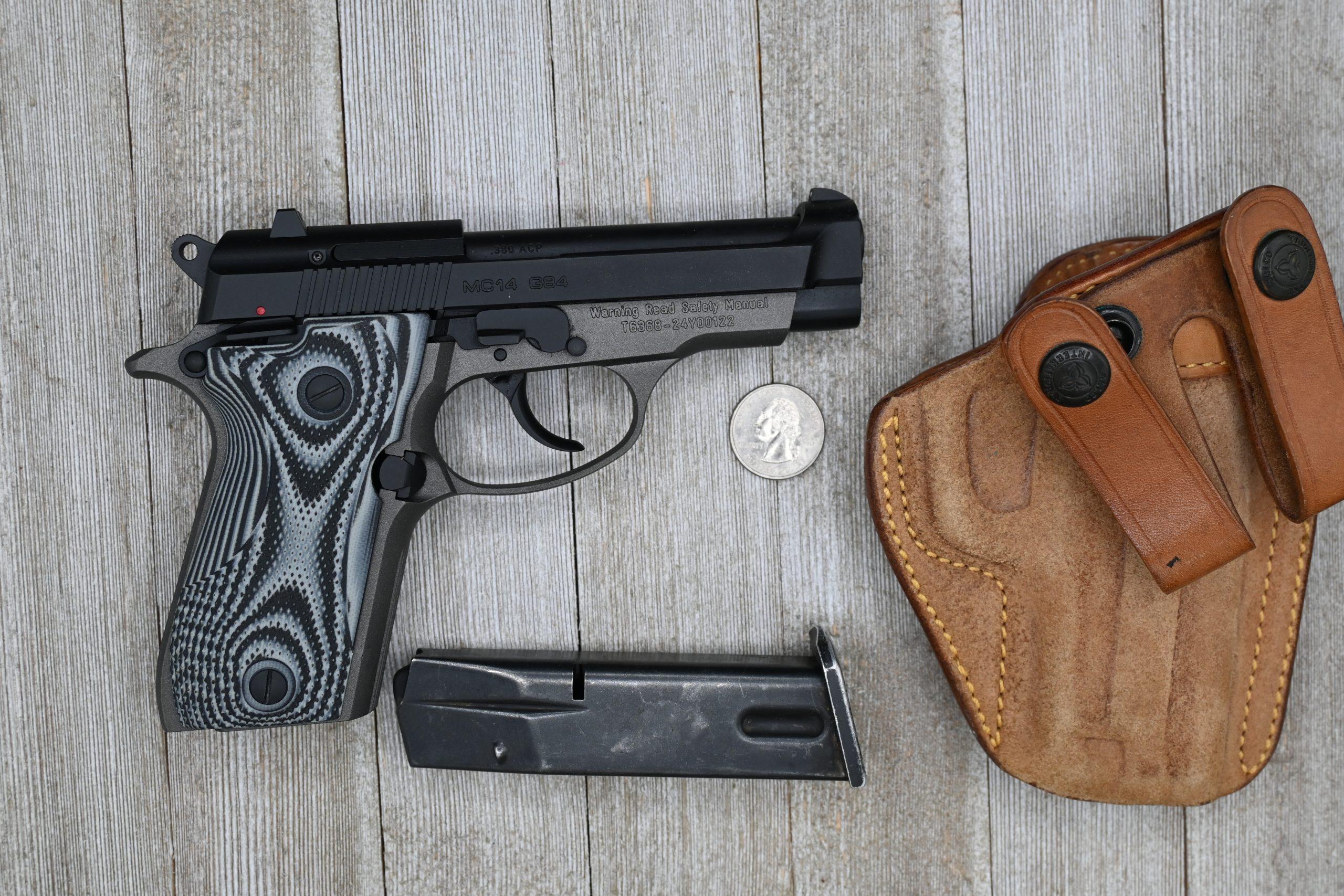
The tradeoff is size. At 6.8 inches of overall length and 4.9 inches of height, this is the largest pistol in the test group. It will not pocket carry. But for AIWB or strong-side IWB carry, the size penalty comes with a meaningful shootability dividend.
The existing ecosystem of holsters, replacement sights, and magazines built around a half-century of 84-series production is an underrated advantage on top of that.
5. Walther PPK — The DA/SA Legacy Carry Gun
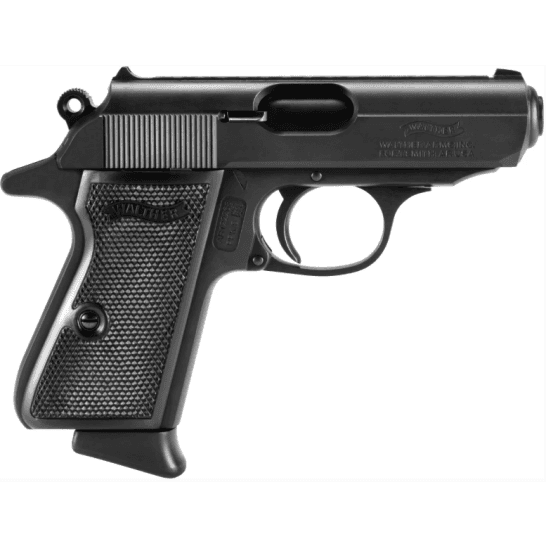
Overall Length: 6.1 inches | Barrel Length: 3.3 inches | Weight (Unloaded): 19 oz | Capacity: 6+1 / 7+1 | Action: DA/SA Hammer-fired | Height: 4.3 inches | Width: 1 inch | MSRP: $969
Pros:
- 95+ years of carry-proven design
- Fixed barrel delivers above-average inherent accuracy for the size
- DA/SA controls immediately intuitive for trained shooters
- Wide holster and accessory availability
Cons:
- $969 MSRP is difficult to justify on performance alone
- Beavertail hot spot in extended carry
- 6+1 capacity is the lowest in the group
- Stiff recoil spring requires committed hand strength to rack
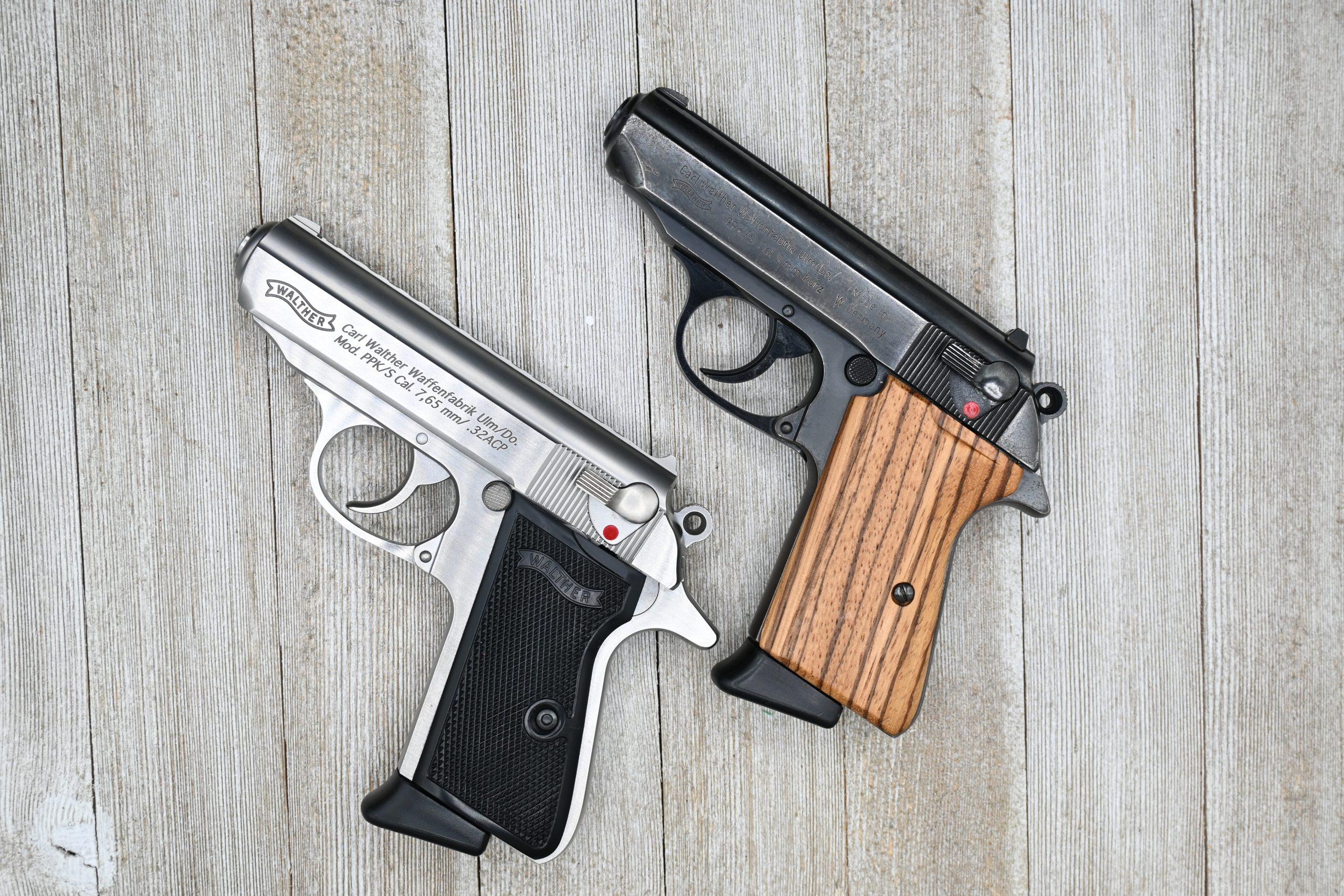
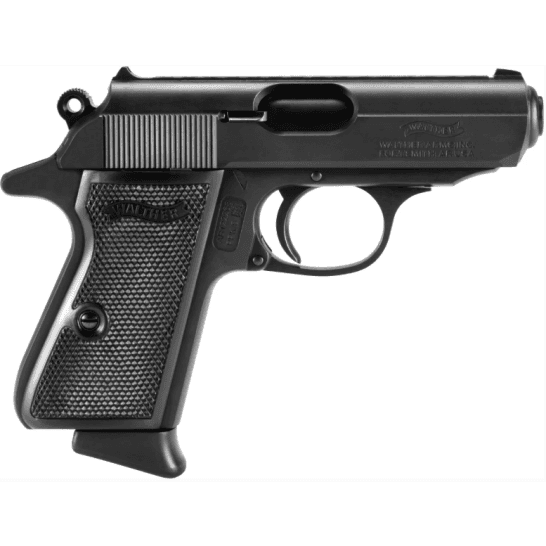
The Walther PPK has been doing this longer than anyone else on this list — and longer than most firearms in active production, period. Introduced in 1929 with the first commercially successful double action trigger in a semi-automatic pistol, complete with a combined safety/decocker, the PPK has accumulated over 95 years of carry relevance and more cultural cachet than any other handgun on earth.
Don’t let the legacy styling and old-school cool fool you. It remains a capable defensive firearm.
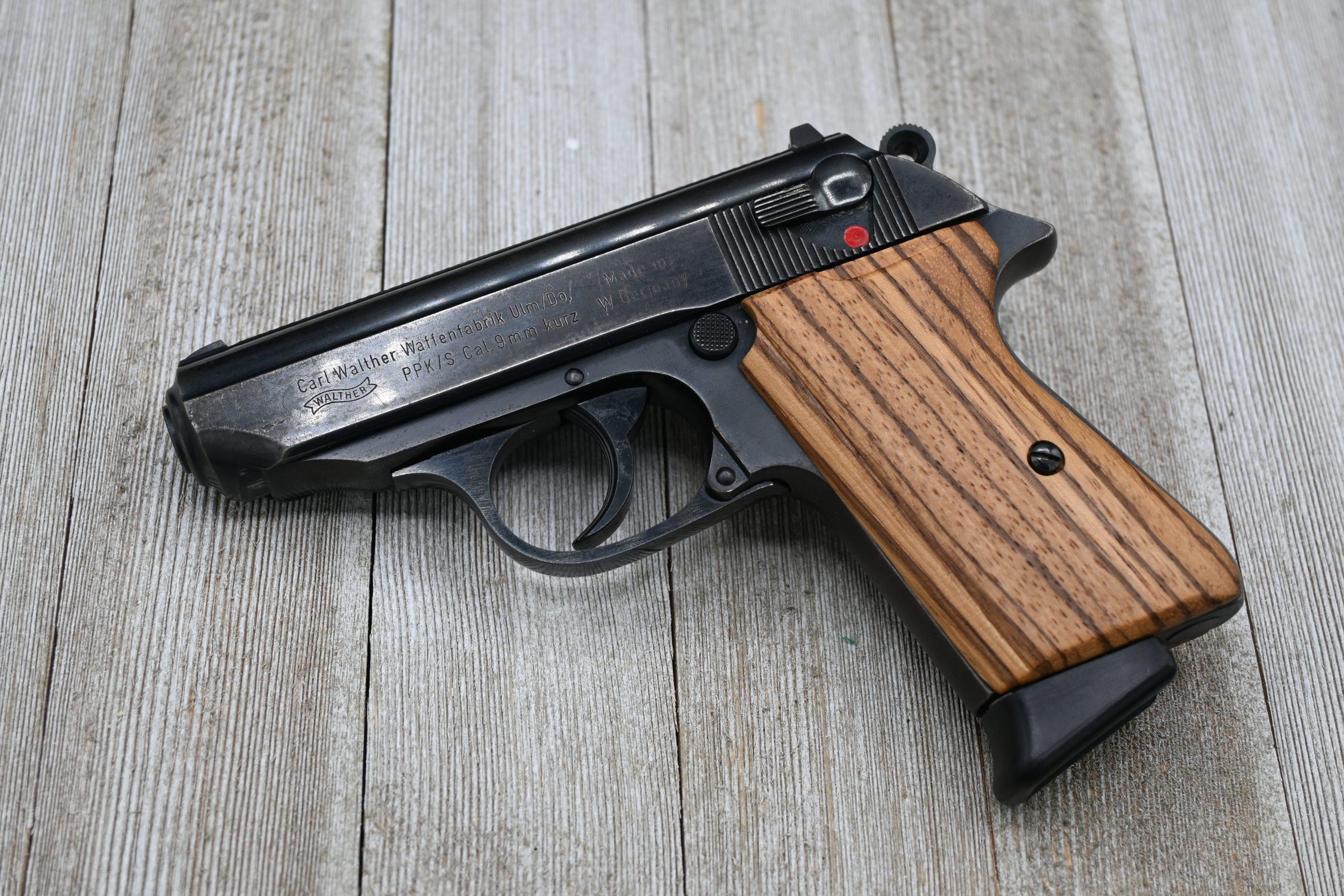
The fixed barrel is a genuine mechanical accuracy asset — Walther actually offered a PP Sport variant with an 8-inch barrel and adjustable sights for competition, which tells you something about the platform’s inherent accuracy potential.
The Walther PPK runs 6+1 flush or 7+1 with the extended magazine in .380 ACP, and is also available in its original .32 ACP chambering, which adds a round of capacity. Overall length comes in at 6.1 inches, barrel length at 3.3 inches.
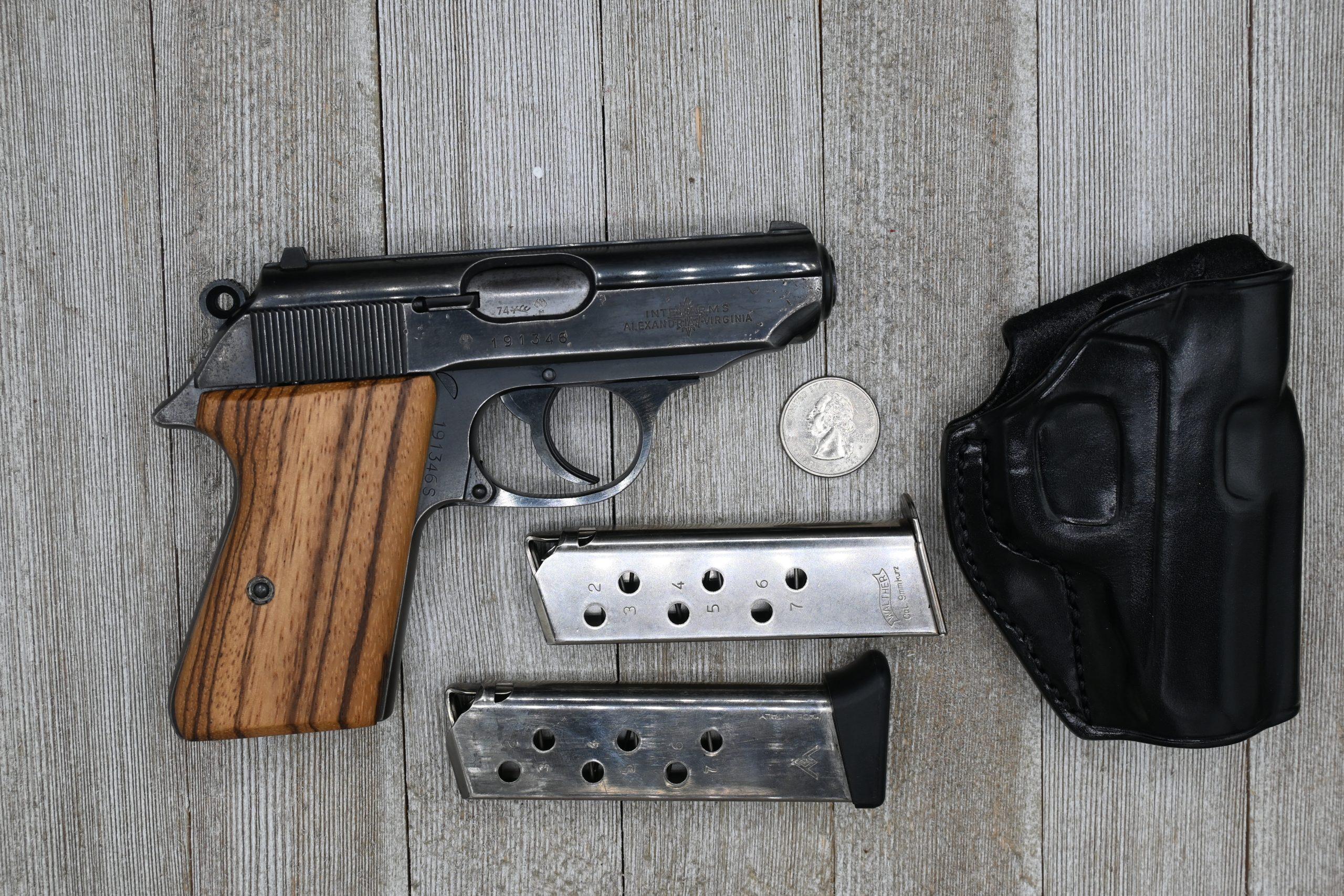
When it comes to rocks to throw: the recoil spring on the PPK is stiffer than you’d expect for its size — more demanding than the Hellcat’s slide by a meaningful margin. The ergonomics are 1929-vintage, which is a diplomatic way of saying the beavertail bites.
We documented hot spots at the beavertail with both our new-production stainless model and a legacy blued variant during extended AIWB carry testing. Capacity is the floor of this category at 6+1, and at $969 MSRP you are paying a serious premium for name and history rather than performance-per-dollar.
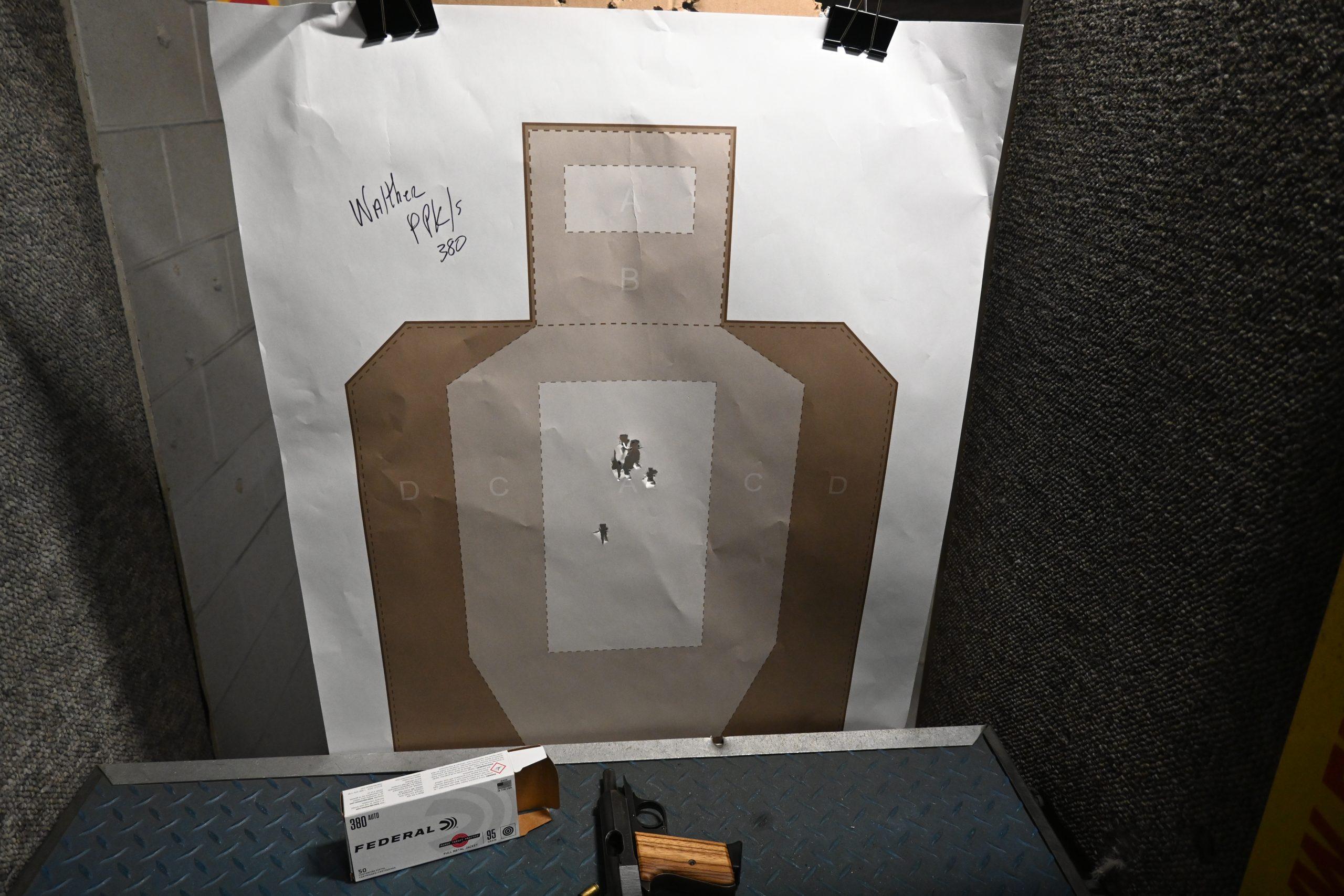
That said, for shooters whose training has hard-wired DA/SA muscle memory — veterans who came up on the Beretta 92 or SIG P226, for instance — the PPK’s manual of arms is immediately familiar.
The double action first pull, then single action for subsequent shots, is a sequence those shooters can execute without conscious thought. It rewards the right hands. And the aesthetic is, as ever, out of this shaken not stirred world.
How to Choose A .380 ACP Pistol
Any of these five pistols is a defensible choice for a modern CCW holder. But choose carefully — each gun in this lineup excels at something specific, and buying the wrong one for your carry context is a mistake you’ll notice every single day.
If Concealability Is the Priority — For ankle carry, pocket carry, or carry in non-permissive environments, the LCP and LCP Max are the obvious winners. Both are genuinely pocketable across most clothing types. Be aware of the tradeoffs: their small size extracts a real performance cost on the range.
Long DAO trigger pulls, snappy recoil, and minimal sights create a steeper training curve than the other guns in this roundup. Racking the slide also demands hand strength — test before you commit, especially if grip limitations are a factor.
If Shootability Matters More — When the equation shifts toward recoil management and faster accurate follow-up shots, you start looking past the LCPs. The Walther PPK offers a choice between a heavy double action trigger first shot and a lighter single action thereafter, and even its dated sights outperform the LCPs at practical distances.
The MC14 G84 is the best pure shooter in the group — ergonomics, sights, and trigger feel closer to a full-size handgun than a pocket pistol. The Hellcat 380 splits the difference: genuinely enjoyable to shoot for a micro-sized .380, with the added advantage of optics compatibility that nothing else on this list can match.
If Capacity Is the Deciding Factor — The LCP and PPK top out at 6–7 rounds from a single-stack magazine. That’s still better than a 5-shot Smith & Wesson J-frame snubbie and reloads faster, but opting for a double-stack .380 like the LCP Max, Hellcat, or 84-series clone nearly doubles your on-board round count. With a spare magazine, Hellcat and MC14 users can carry 27 rounds of .380 ACP — a number that starts comparing favorably to compact 9mm loadouts.
If Action Type and Safety Options Drive the Decision — Striker-fired simplicity (Hellcat) versus DA/SA institutional muscle memory (PPK, MC14); manual safety versus passive/trigger safeties; or a grip safety like the SIG P238 and Kimber Micro offer for shooters whose fundamentals are built around a 1911 manual of arms. The Hellcat’s striker-fired operation is the most foolproof under stress. The DA/SA guns reward trained hands. Neither is wrong — they’re different solutions to the same problem.
If You’re Not an Enthusiast — The framework above assumes a buyer who has opinions about trigger weight and will log training rounds. If you’re buying a .380 because a compact 9mm is too much to handle comfortably — and a meaningful share of .380 buyers are, whether the community acknowledges it or not — the question changes.
Prioritize the slide you can rack reliably under stress, the grip you can hold onto, and the gun you’ll actually carry. For shooters with limited hand strength, the Ruger Security 380 (see Notable Alternatives) deserves a look before any gun on this list. Shootability you can live with beats terminal performance you can’t manage.
Notable Alternatives Worth Considering
These pistols didn’t make our primary five, but they come up in every .380 ACP carry conversation and deserve a clear accounting.
Glock 42
The most Glock-like option in the .380 ACP market. The Glock 42 runs an overall length of 5.94 inches, a barrel length of 3.25 inches, a height of 4.13 inches, and a width of 1.0 inch.
Reliability has been essentially flawless in most documented testing, and the Glock trigger and manual of arms will be immediately familiar to anyone already in that ecosystem. Not the smallest pocket pistol and not the highest capacity, but for shooters already running other Glock pistols, it is the natural .380 ACP choice.
Bersa Thunder 380
The Bersa Thunder has been a budget-friendly DA/SA double-stack for decades, offering an overall length of 6.6 inches, a barrel length of 3.5 inches, a loaded weight of 24.9 ounces, and a 15-round magazine capacity. The Bersa Thunder is the largest and heaviest option in this category, but also one of the most affordable double-stack DA/SA .380 ACP pistols on the market.
Better suited to home defense or range use than deep concealed carry for most people, but a legitimate choice at its price point.
Smith & Wesson Bodyguard / Bodyguard 2.0
Smith & Wesson’s Bodyguard line has gone through several iterations. The Bodyguard 2.0 received substantially improved trigger quality over the original — a frequent and justified complaint about the first version.
Earlier Bodyguard models incorporated an integrated laser sight, which was clever in theory but added bulk and maintenance overhead. The 2.0 addresses both issues. S&W’s quality control and after-sales support are strong arguments for this platform if brand backing matters in your purchase decision.
Ruger LCP II and LCP Custom
The LCP II updated the original with an improved trigger and marginally better sights. The LCP Custom pushed further with an adjustable trigger and skeletonized hammer. Neither dramatically changes the LCP’s fundamental pocket pistol character, but either addresses the trigger complaint that most shooters raise with the base model. If you want an LCP but the trigger is a dealbreaker, the LCP II is the correct version to buy.
Kimber Micro
The Kimber Micro is essentially a scaled-down 1911 in .380 ACP, complete with grip safety and single-action-only trigger. For shooters whose muscle memory is built around the 1911 platform, it’s an elegant solution. Quality control has been variable across production runs, and the price reflects premium materials rather than premium consistency. When it runs, it runs well.
Ruger Security 380
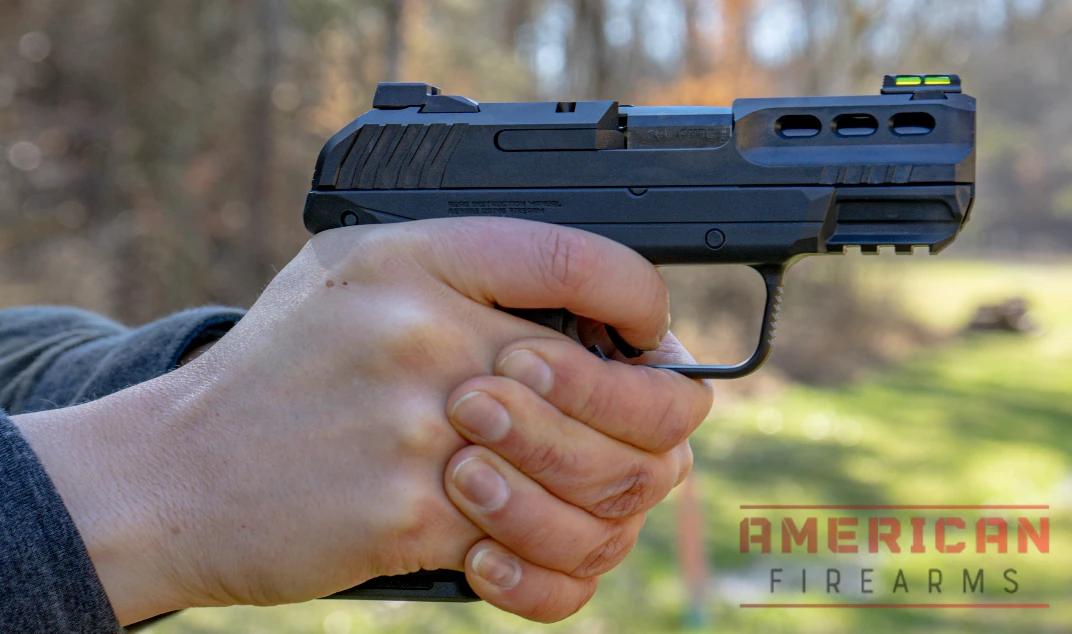
The outlier in this category. The Security 380 takes a fundamentally different approach: a larger, purpose-designed platform with an overall length of 6.5 inches, a barrel length of 3.42 inches, and magazine options of 10 or 15 rounds. What sets it apart is the recoil spring — lighter than anything else in the .380 ACP market, paired with a broader slide that is genuinely and measurably easier to rack than any pistol in this roundup. It is less a concealed carry choice and more the correct answer for home defense users, new shooters building confidence, or anyone with hand strength limitations who needs to stay in this caliber.
If the “If You’re Not an Enthusiast” section above described you, start here before looking at anything else.
How We Test .380 ACP Pocket Pistols
We evaluated each pistol through a five-part regimen covering range performance, dependability, concealability, ergonomics, and endurance.
Accuracy and Shootability — We shot bench groups at 15 yards on IDPA silhouette targets. Trigger pull measurements were taken using a Lyman digital trigger pull gauge, averaged across five pulls per gun. Follow-up shot assessment involved multiple shooters at 7 and 15 yards, tracking split times and group dispersion.
Trigger results: The Ruger LCPs measured 6–7 pounds DAO. The Walther PPK ran 13 pounds DA and 5 pounds SA. The MC14 G84 measured 7 pounds DA and 4 pounds SA. The Hellcat delivered the best result at a consistent 5.5 pounds striker-fired.
Reliability — Each gun was run with a minimum of 200 rounds of factory ammunition: Winchester USA 95-grain FMJ, Federal 95-grain HST JHP, Federal 95-grain white box FMJ, PMC Bronze 90-grain FMJ, and Hornady 90-grain FTX Critical Defense. Feeding, firing, extraction, and ejection failures were documented by type. The Hellcat went 200 for 200 with zero complaints. The MC14 logged a single jam, easily cleared. Each LCP had three stoppages — not counting failures to feed when chambering over an inserted full magazine, which is a documented characteristic of the platform. The PPK had two. We extended Hellcat testing to 500 rounds and recorded zero stoppages.
Concealability — Pocket carry testing ran across three clothing categories: slacks and dress trousers, cargo shorts, and denim. The LCPs were the undisputed champions across all three. The PPK achieved acceptable pocket carry only with a Galco Horsehide Front Pocket holster. The Hellcat and MC14 worked in coat and jacket pockets with dedicated holsters but were meaningfully better suited to AIWB carry, where both excelled.
Controls and Ergonomics — The LCPs are built for concealment, not comfort, and you feel it in use. Racking the slide over a full magazine is a real effort and worth live-testing before purchase, particularly for buyers with limited grip strength. The PPK’s recoil spring is similarly stout, compounded by ergonomics that haven’t evolved since 1929. The Hellcat and MC14 were the standouts: easy to rack, instinctive controls, and the best iron sights in the group by a clear margin.
Durability — The Hellcat showed the most cosmetic wear at the muzzle nose from holster cycling, but no mechanical degradation. The LCPs accumulated pocket lint in the hammer channel — a known and manageable maintenance reality for genuine pocket carry guns. Both PPK variants developed the expected beavertail hot spot. The MC14 wore at the magwell base plate where the magazine rides.
Frequently Asked Questions
What is the best .380 pistol for concealed carry?
Is .380 ACP enough for self-defense?
What is the difference between the Ruger LCP and the LCP Max?
What .380 ACP pistols are easiest to rack for shooters with low hand strength?
Why does .380 ACP remain popular when 9mm micro-compacts exist?
How does the .380 ACP compare to 9mm for concealed carry?
Final Thoughts
The .380 ACP carry pistol has been a solved problem for over a century, but the community’s understanding of why it keeps selling hasn’t caught up to the production data. Between 1998 and 2016, domestic .380 ACP production increased roughly tenfold. The miniaturized 9mm didn’t kill it. The caliber debate didn’t settle it. The buyer who drives that market isn’t reading forum threads about FBI gel testing — they’re evaluating whether they can operate the gun reliably, carry it all day, and not leave it in a drawer because it’s too much to deal with.
That buyer is why the five pistols above exist, and why the category keeps growing despite everything the ballistics-first argument predicts. The best .380 is the one you’ll actually carry. Choose carefully, train on whatever you select, and keep the pocket lint out of the hammer channel.
Meet the Experts

Written By
Michael Crites
Licensed Concealed Carry Holder
- Founder of AmericanFirearms.org
- Licensed Concealed Carry Holder
Guides
Further Reading
![In-Depth Review: M&P Shield 2.0 Compact [Hands-On]](/_next/image/?url=https%3A%2F%2Fcms.americanfirearms.org%2Fwp-content%2Fuploads%2F2023%2F01%2Ftmpkho7avde.jpg&w=3840&q=75)
Sign up for our newsletter
Get discounts from top brands and our latest reviews!