
Ruger American Review: My Take After Years of Hunting With It
Our full Ruger American review covers Gen 1 and Gen 2 accuracy, calibers, triggers, AICS mag fitment, and how it stacks up against Tikka and Savage.

Written By
Coldboremiracle
Precision Rifle Expert

Edited By
Michael Crites
Licensed Concealed Carry Holder
Share:
Products are selected by our editors. We may earn a commission on purchases from a link. How we select gear.
Updated
Sep 2026
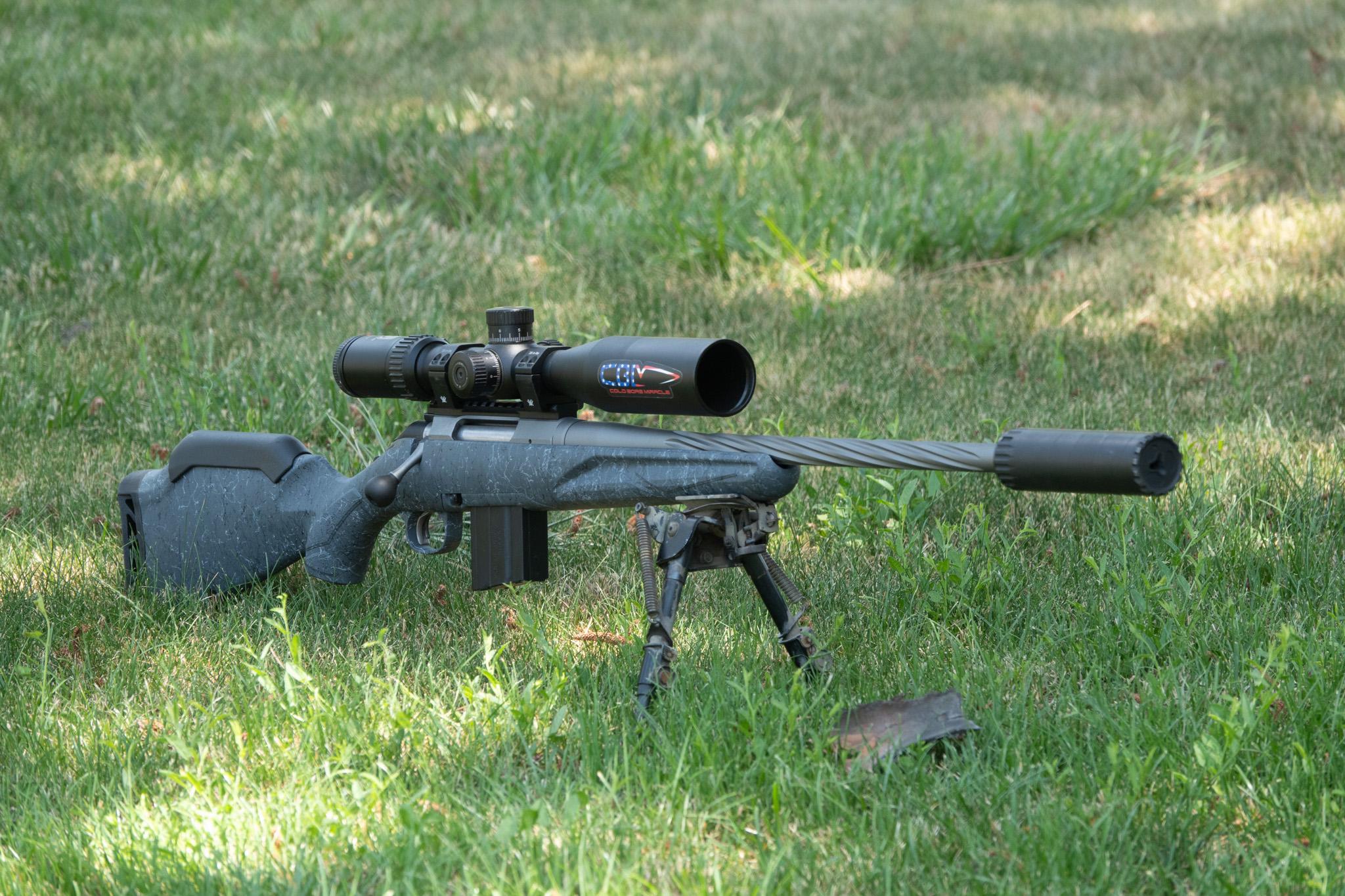
If you haven’t seen a Ruger American rifle in your local gun shop recently, you might need to get your eyes checked out. We are taking a closer look at the Ruger American rifle today to clarify the differences between its first and second generations, and help you determine which of these two might just fit your needs.
In this Ruger American review, we will highlight the distinct differences among models to help you choose one that’s right for you. Like most rifles bearing the Ruger firearms name, every American rifle is 100-percent American-made.
In This Article
Overall Score
$449.99

43
EXCEPTIONAL
2026 Awards & Rankings
Performance Scores
Best For
- Sub-MOA accuracy at a genuine budget price point
- Broad caliber lineup spanning long & short actions, from .223 to .300 Win Mag
- Adjustable Marksman trigger with a clean, grit-free pull
- Power Bedding V-block system for consistent bedding without gunsmithing
- Gen 2 AICS & AR-pattern magazine compatibility
- Deep aftermarket support for stocks, triggers, & barrels
- Reliable cycling & feeding right out of the box
Considerations
- Gen 1 stock feels notably flimsier than the Gen 2 redesign
- Fit and finish trail higher-priced rivals like Tikka and Bergara
- AR-pattern magazine release is an awkward reach without breaking your firing grip
- Steel-lipped AR/AICS magazines feed slightly less smoothly than the factory rotary mag
- Left-hand action AICS conversion compatibility isn’t guaranteed across all serial numbers
Our Verdict
The Ruger American continues to impress. It’s not trying to be anything it isn’t, and that honesty is exactly why it’s earned such a loyal following over the past decade.
To call it a great value at this price point is almost an understatement — sub-MOA groups are well within reach with the right ammunition, and that kind of accuracy simply shouldn’t be this affordable. It’s competitive with rifles costing hundreds more, and the aftermarket support means you can chase precision-rifle territory with upgrades if you want to, while still being perfectly capable straight out of the box for the average hunter. Does that put pressure on the Tikkas and Bergaras of the world? Somewhat. Does it need to match them feature for feature to be worth buying? Not even close.
If you’re a new hunter putting together your first deer rifle, or a veteran shooter who wants a reliable truck gun without a four-figure price tag, the Ruger American belongs on your short list. Between the Gen 1 and Gen 2, the caliber spread, and the Predator’s AICS compatibility, there’s a configuration here for nearly every use case.
It performed reliably in our testing across multiple calibers and generations, and it does exactly what Ruger says it does. For the money, it’s genuinely difficult to find much to complain about.
Test Scores
How does Ruger’s budget bolt-action stand up? Here are the scores:
Accuracy: 8/10
Sub-MOA groups are genuinely achievable with the right factory load, and our test rifles consistently landed inside 1 MOA at 100 and 200 yards. It doesn’t quite match a dedicated precision rig, but for a hunting rifle at this price, it’s outstanding.
Ergonomics: 8/10
The Gen 2 stock’s adjustable comb, removable length-of-pull spacer, and shorter bolt throw make this an easy rifle to run all day. The AR-pattern magazine release is the one sore spot, sitting just out of comfortable reach.
Fit and Finish: 6/10
It’s a budget rifle and it looks like one in places, with visible tool marks and plastic components where pricier rifles use metal. Nothing that affects function, but discerning shooters will notice the difference next to a Tikka or Bergara.
Features: 8/10
An adjustable Marksman trigger, three-position tang safety on Gen 2, AICS and AR-pattern magazine compatibility, and a factory-threaded muzzle all come standard. It’s a lot of rifle for the price, even if it’s not chasing PRS-level trimmings.
Reliability: 9/10
Every rifle we tested cycled, extracted, and ejected without a hiccup. AR-pattern magazines were marginally less smooth feeding than the factory rotary mag, but nothing rose to the level of a malfunction.
Value: 10/10
This is where the American earns its reputation. Sub-MOA accuracy, a real trigger, and genuine aftermarket support at a price point most competitors can’t touch — it’s the strongest case on this list for buying less expensive and being happy about it.
Specifications
| Specification | Detail |
|---|---|
Action Type | Bolt-action three-lug bolt head 70-degree throw |
Receiver Material | 4140 chrome moly bar stock steel |
Barrel | Cold-hammer-forged free-floating |
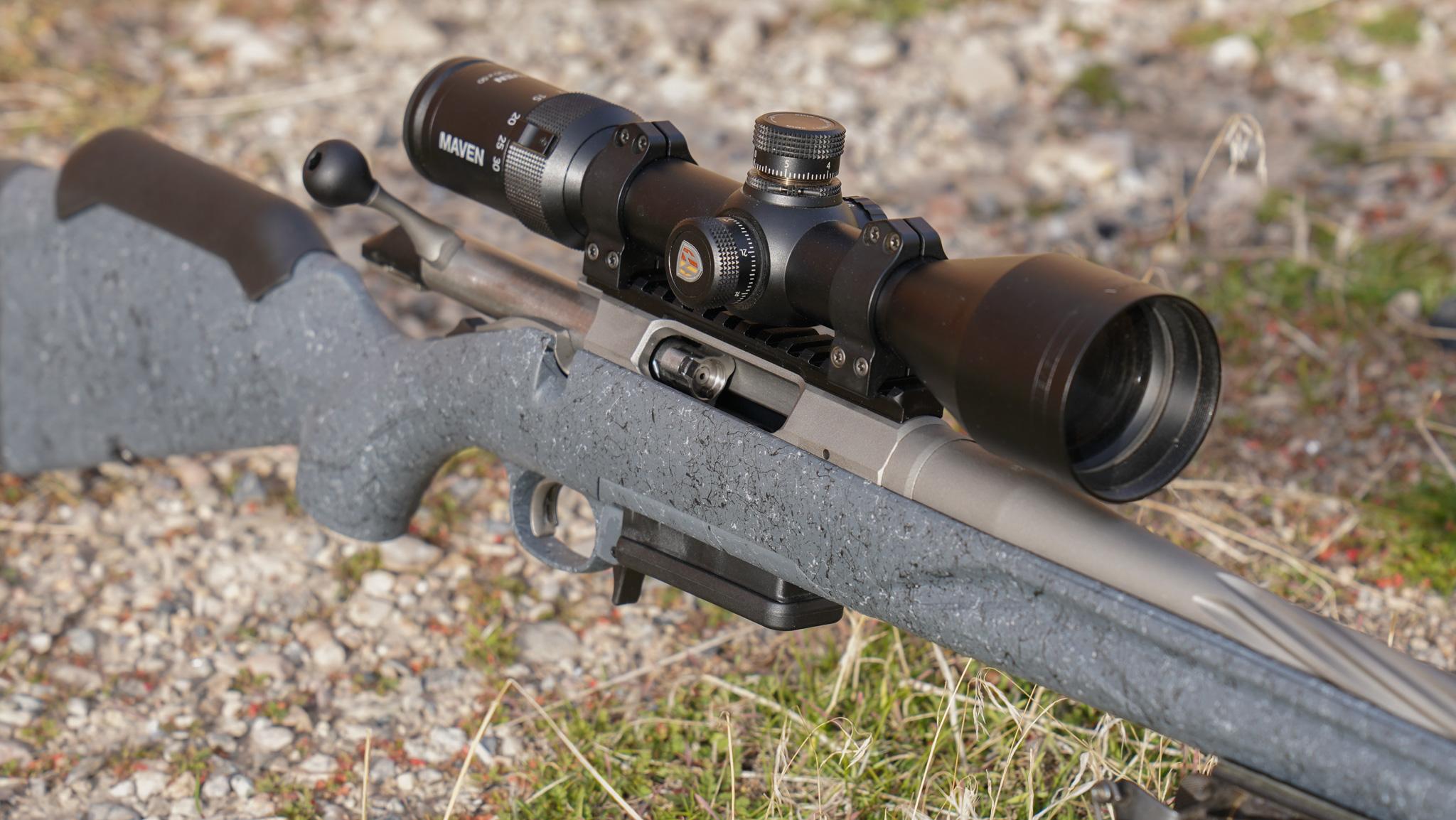
Muzzle Threading | 1/2-28 or 5/8-24 TPI depending on caliber |
Bedding System | Power Bedding aluminum V-block |
Trigger | Marksman adjustable 3–5 lb pull |
Safety | Two-position tang (Gen 1) / Three-position tang (Gen 2) |
Magazine Type | Detachable rotary (standard) or AICS/AR-pattern (Gen 2 Predator) |
Magazine Capacity | 4 rounds (standard configuration) |
Capacity: | 10-round detachable box (AICS & Magpul compatible) |
Weight | Approx. 6.5 lbs (varies by model) |
A Quick Glance at the Ruger American Rifle
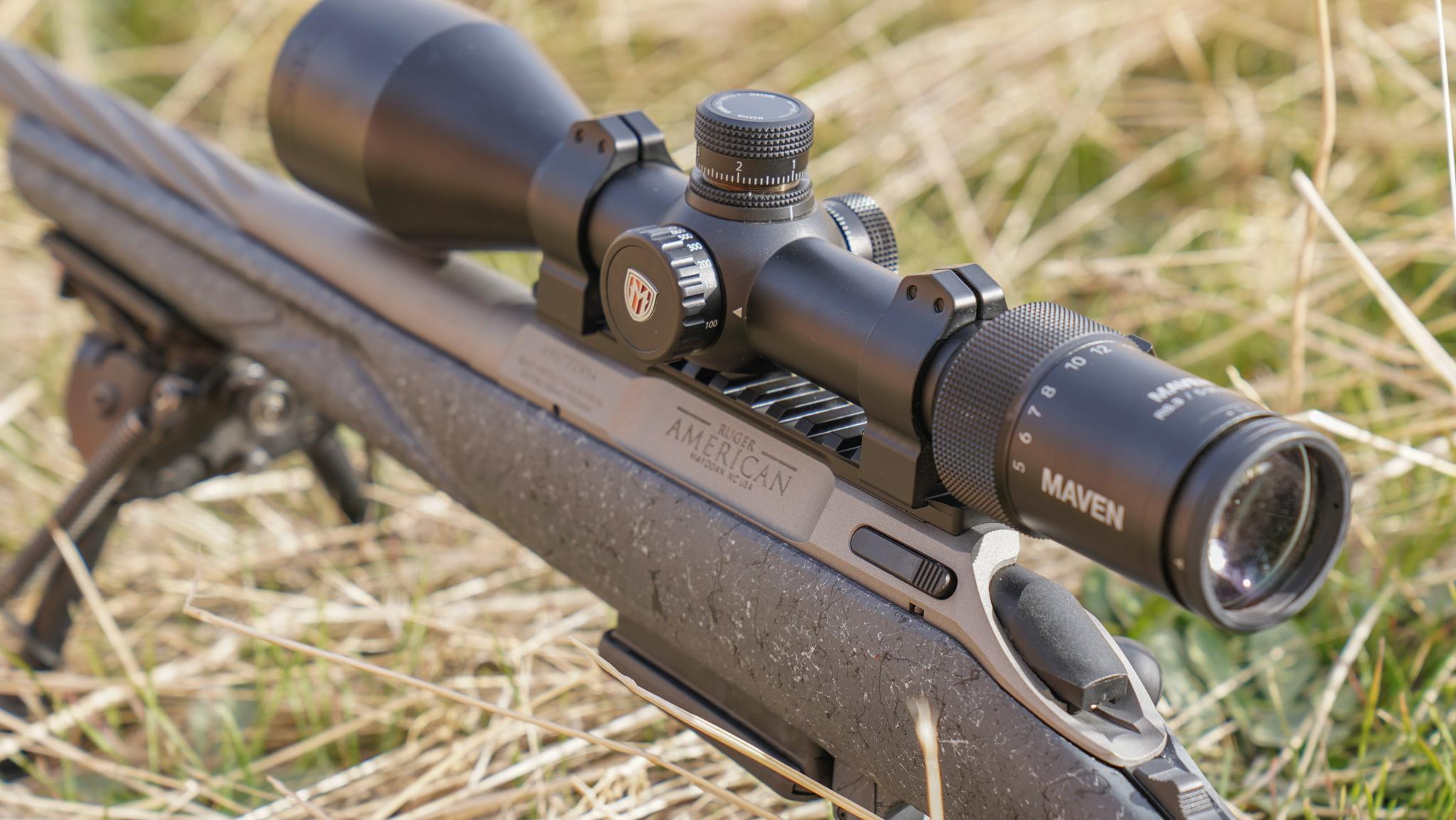
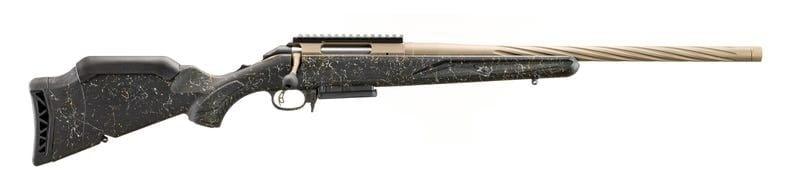
Ruger’s American rifle is a popular bolt-action rifle built from a tubular steel receiver with a rotary bolt. The receiver is cut from 4140 chrome moly bar stock steel, which is part of why it feels like a serious tool for the price.
The 70-degree bolt throw is a result of a three-lug bolt head, and the bolt itself is both timed and secured by a spring-loaded bolt-stop on the left rear of the action.
A cold-hammer-forged, free-floating barrel threads into the front of the action, and the whole assembly is married to the stock using a set of V-blocks and action screws.
The polymer stock features a detachable magazine to feed various cartridge types, and most current models ship with a factory-installed Picatinny-style rail for quick optic mounting.
Both long and short action cartridge families are available across the various Ruger American models, and the standard rifle weighs in at around 6.5 pounds.
Key Features
The Ruger American Action
The one-piece bolt body incorporates the three-lug head, as well as a sliding plate extractor claw and plunger-style ejector.
Different bolt faces have additional plungers to aid in throwing larger cases free of the action. The ejection port itself is kept minimal by design, leaving more steel in the receiver for rigidity.
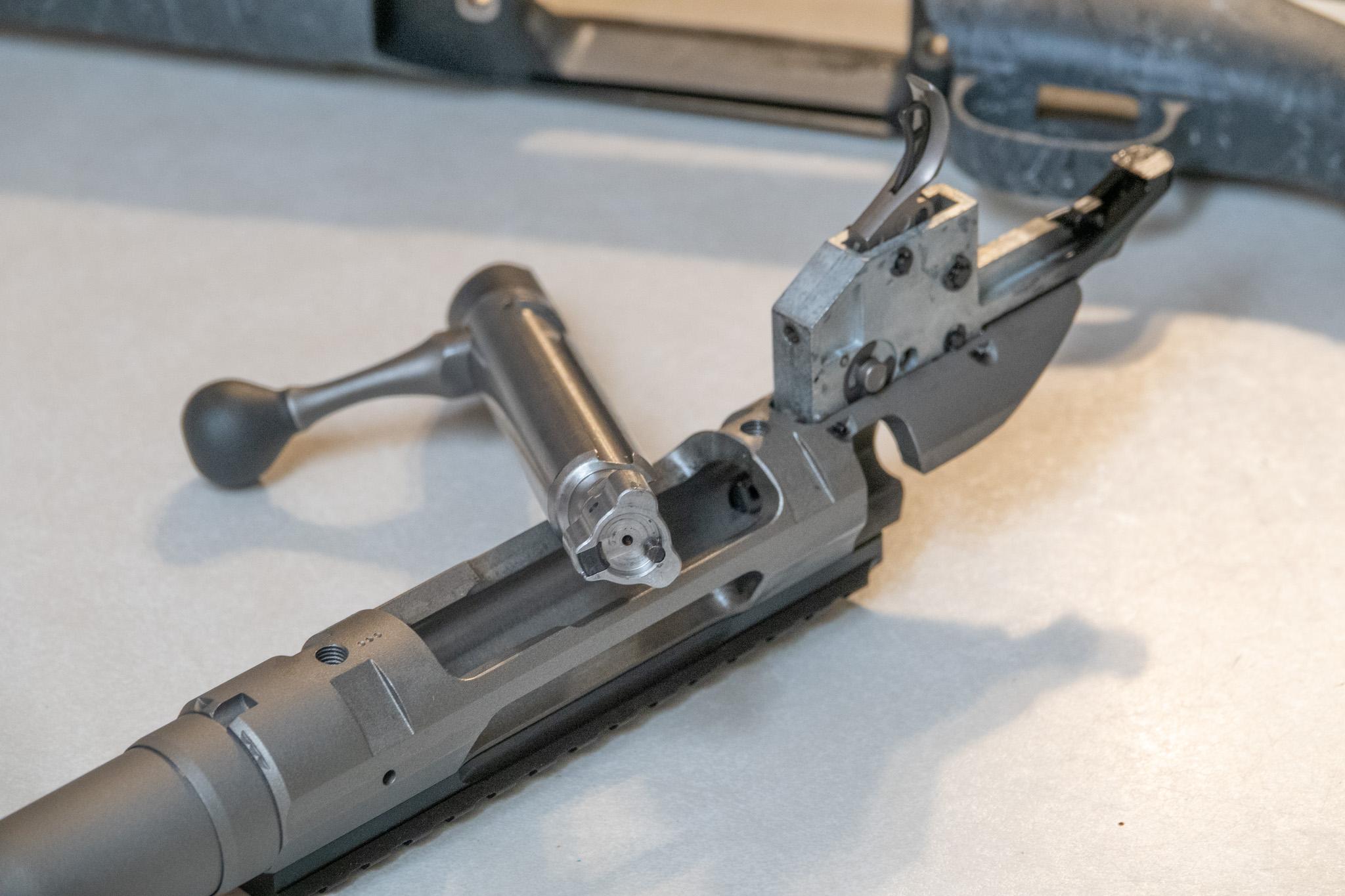
Added to the bolt body is a separate bolt handle, with a polymer bolt knob that can be replaced if needed.
A precision cut bolt-stop does double duty, acting as a rear stop for the bolt travel, as well as keeping the bolt timed properly during its stroke and 70-degree throw.
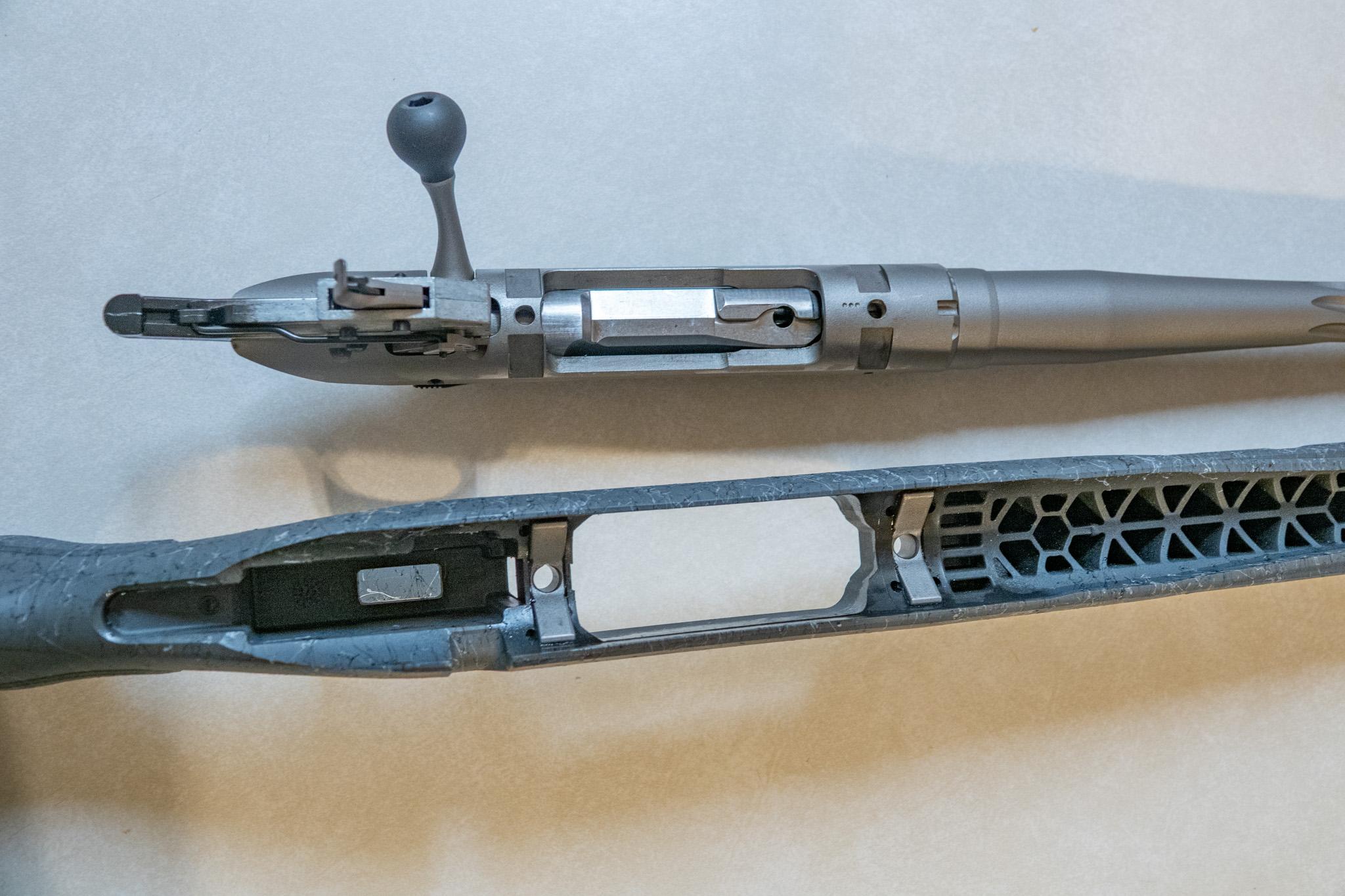
A tang safety secures the trigger when applied, and the action has ‘V’ cuts in the bottom to lock up with the V-blocks in the stock.
The bedding screws thread through those V-blocks to pull the action straight down into the stock, creating what Ruger calls a ‘power bedding’ system.
American Bolt Removal
Depressing the bolt-stop lifts the stop from the groove in the bolt body. And allows the bolt to be pulled clear from the action to the rear. The bolt can be pushed back into the action, and with a slight push, the bolt-stop locks into position, making the bolt ready for action.
Trigger: The Marksman Adjustable System
Much like the popular Savage Accu trigger, the Ruger American uses a trigger blade safety. The trigger pull weight can be adjusted by removing the action from the stock, then turning a single screw at the front of the trigger housing.
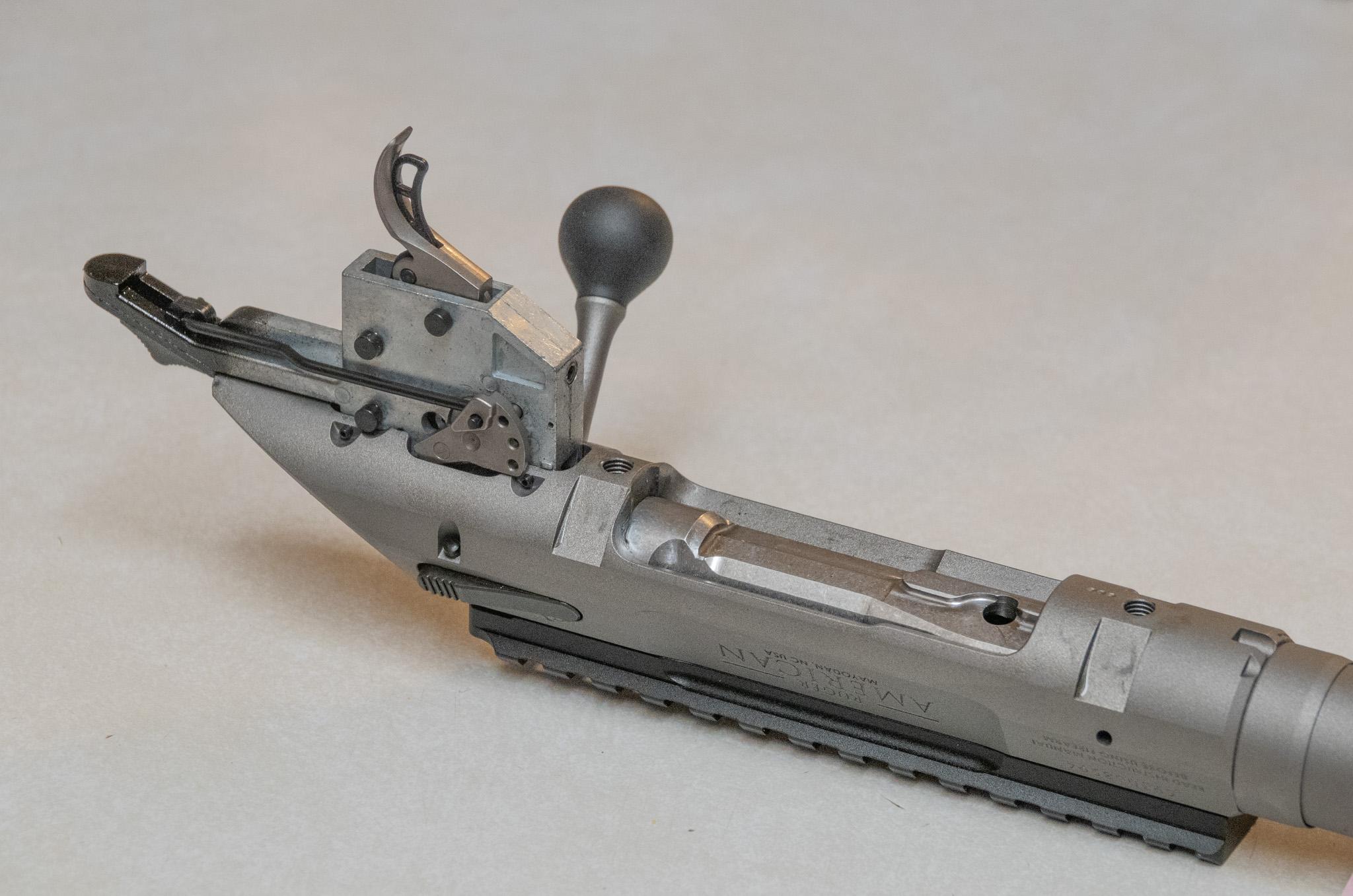
This lets the user dial the pull anywhere between three and five pounds, and on every rifle we’ve run, that pull broke clean with no noticeable grit once adjusted.
Safety Systems: Tang and Trigger-Blocking Design
Here we see some of the first differences between the Gen 1 and Gen 2 Ruger American.
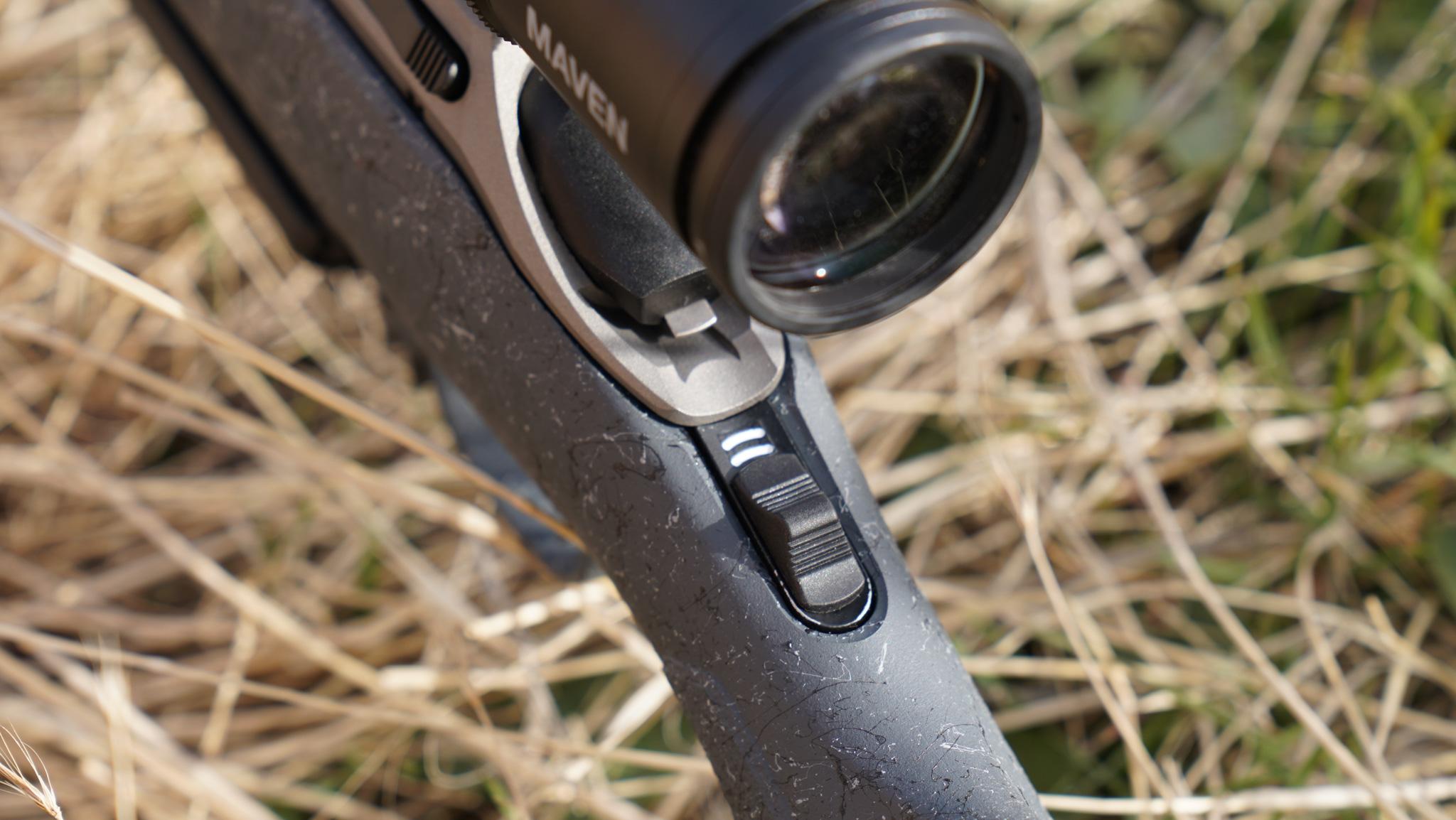
The first generation used a two-position (safe/fire) tang safety.
The second-generation Ruger American uses a three-position safety instead, adding a middle position that lets you cycle the bolt and safely unload or load without moving off safe.
Caliber Options
Both generations of the American rifle offered a broad selection of calibers.
But the second generation greatly improved how those calibers are fed from magazines, using more fashionable magazines such as AR15-based magazines or the very popular AICS pattern magazines. This is a great improvement over the Gen 1 magazines, which were a proprietary Ruger design. Here is a current list of caliber options for the Ruger American:
22 ARC, .243 Win, .270 Winchester, 6mm ARC, 6mm Creedmoor, 30-06 Springfield, 6.5 Grendel, 6.5 Creedmoor, 6.5 PRC, 223 Remington, 308 Winchester, 7mm PRC, 204 Ruger, 7mm-08 Remington, 300 Win. Magnum, 350 Legend, 450 Bushmaster, 400 Legend
The original American launched with just four calibers: .30-06, .308, .270, and .243.
There were originally three different American rifles: the Standard American, the Predator model, and the Ranch model. That lineup has now doubled to include three additional siblings: the Scout model, the Prairie model, and the Patrol model.
With all these options and calibers, it should be easy to find one that fits your purpose.
Choosing a Caliber for Your Hunting Application
There are both heavy magnum options as well as medium-sized lower-recoil cartridge options, and even further diminutive cartridges in the varmint hunting category.

You can decide if you want to trade off power and range for comfort and economy if you like. You can also pick a cartridge based on your local ammunition supply or even your handloading preferences.
Whether you need a big 300 Winchester Magnum for hunting elk in the west, or a 6.5 Grendel for dispatching hogs around your southern estate, you have several options.
Field Use: Matching the Rifle to Your Hunt
Once you have your Ruger American, whichever model it is, make sure you set it up for the task at hand. If you are shooting a 7.62×39 for close-range hog dispatch, you might want a 1-6 power scope or something zeroed at 50 yards.
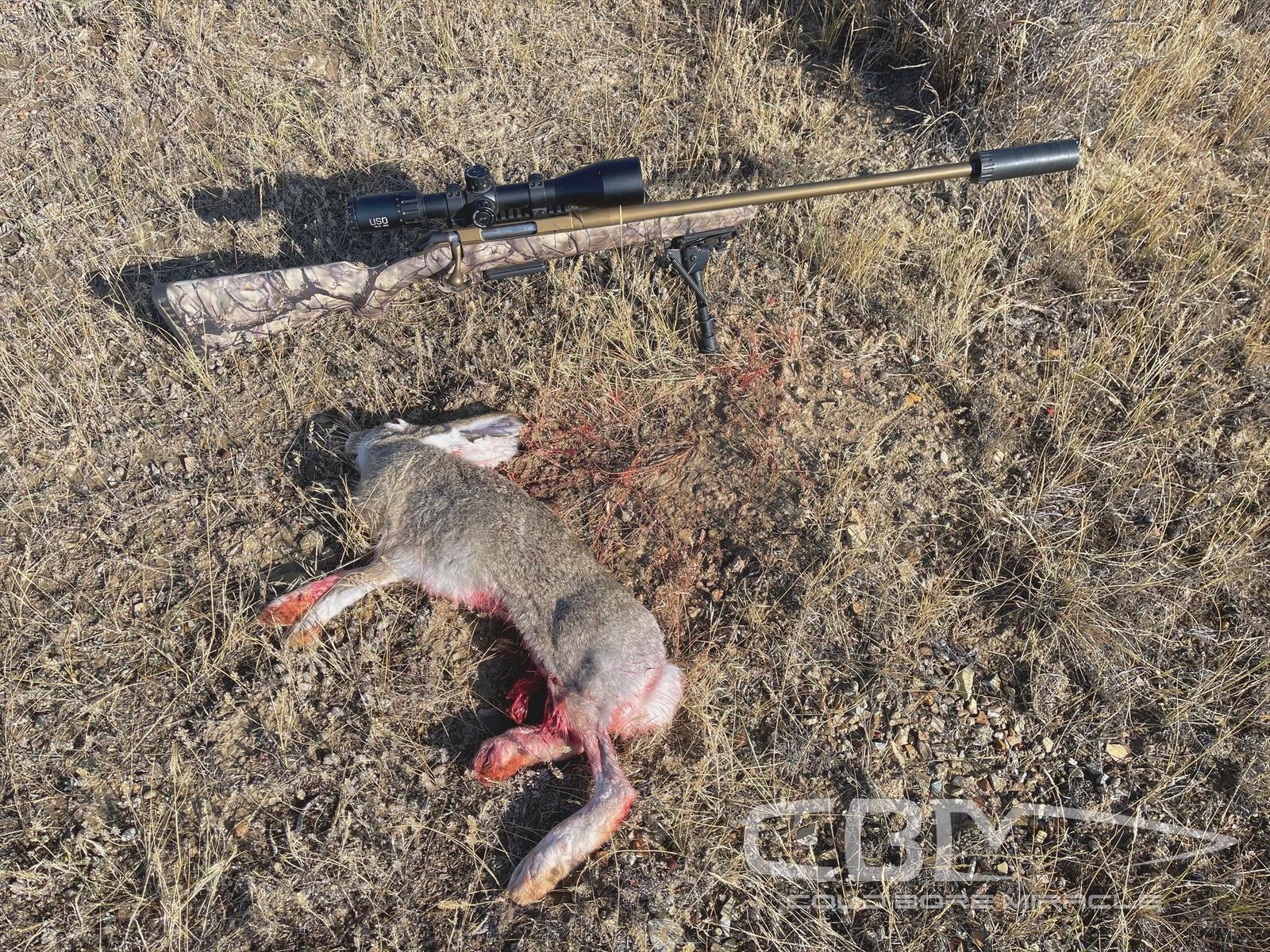
If you are shooting a 7mm PRC from a blind over a quarter mile of pasture, you might want a 6-24 power scope zeroed at 200 yards.
Or maybe you have the American Prairie in 22-250 watching over a prairie dog town, in which case a 5-25 power scope zeroed at 100 yards is close enough to take golf balls off the tee.
The lighter Gen 1 rifle might come in handy if you do much hiking during your hunts, or the more stable platform of the Gen 2 if you intend on making longer shots.
Why 6.5 Creedmoor Gets Tested So Often
You may wonder why the 6.5 Creedmoor is so often tested in precision rifle reviews like this one. It is for the same reason that the 308 Winchester was always a popular option in the past.
Popular calibers like the 6.5 Creedmoor get additional production capacity and are plentiful. Additionally, the ammunition supply is abundant and affordable, and these are, of course, the same reasons consumers are likely to purchase these options as well. See our full 6.5 Creedmoor rifle roundup for other precision options in this caliber. The .308 Winchester offers similar precision performance with even broader availability — you’ll find .308 ammo on the shelf of nearly every gun shop in the country. See our .308 rifle guide for a full comparison of options in this classic caliber.
Ruger American: Model Variants Explained
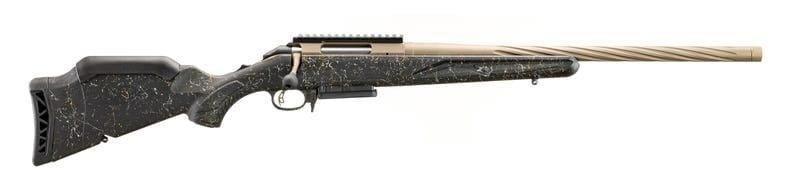
The Ruger American Standard is a general-purpose hunting rifle with some mainstream features, and it’s still a great rifle for the money if you don’t need anything specialized.
The American Ranch models feature a different color stock and finish, as well as shorter barrels for quick shooting.
The American Predator model again changes color pattern and uses a longer barrel to get faster velocities for quick energy dumps. On the American Scout model, there is a scout-length scope mounting rail coupled with iron sights and a carbine-length barrel.
The American Prairie model uses longer barrels with a heavier profile that are cold hammer-forged for rigid durability on your varmint hunts. And lastly, the American Patrol in graphite black uses a cold hammer forged heavy fluteless barrel.
The original three models all come with a radial muzzle brake, while the Scout model comes with a flash suppressor. The Prairie and Patrol models come threaded but with only a thread protector installed, and none of these variants push the American into expensive rifles territory.
The Ruger American gives you dependable factory accuracy for hunting and general range work, but if you want a purpose-built long-range platform with a fully adjustable chassis, take a look at our Ruger Precision Rifle review to see how the two compare.
AICS Magazine Compatibility: What Owners Need to Know
The new Ruger American models use AICS magazines, and the new stock has an interchangeable magazine well.
Some of the older Gen 1 rifles can be retrofitted with new magazine wells, allowing the use of AICS magazines. Others require additional work, and even perhaps reworking of the bolt, before an AICS-pattern magazine will latch and feed reliably.
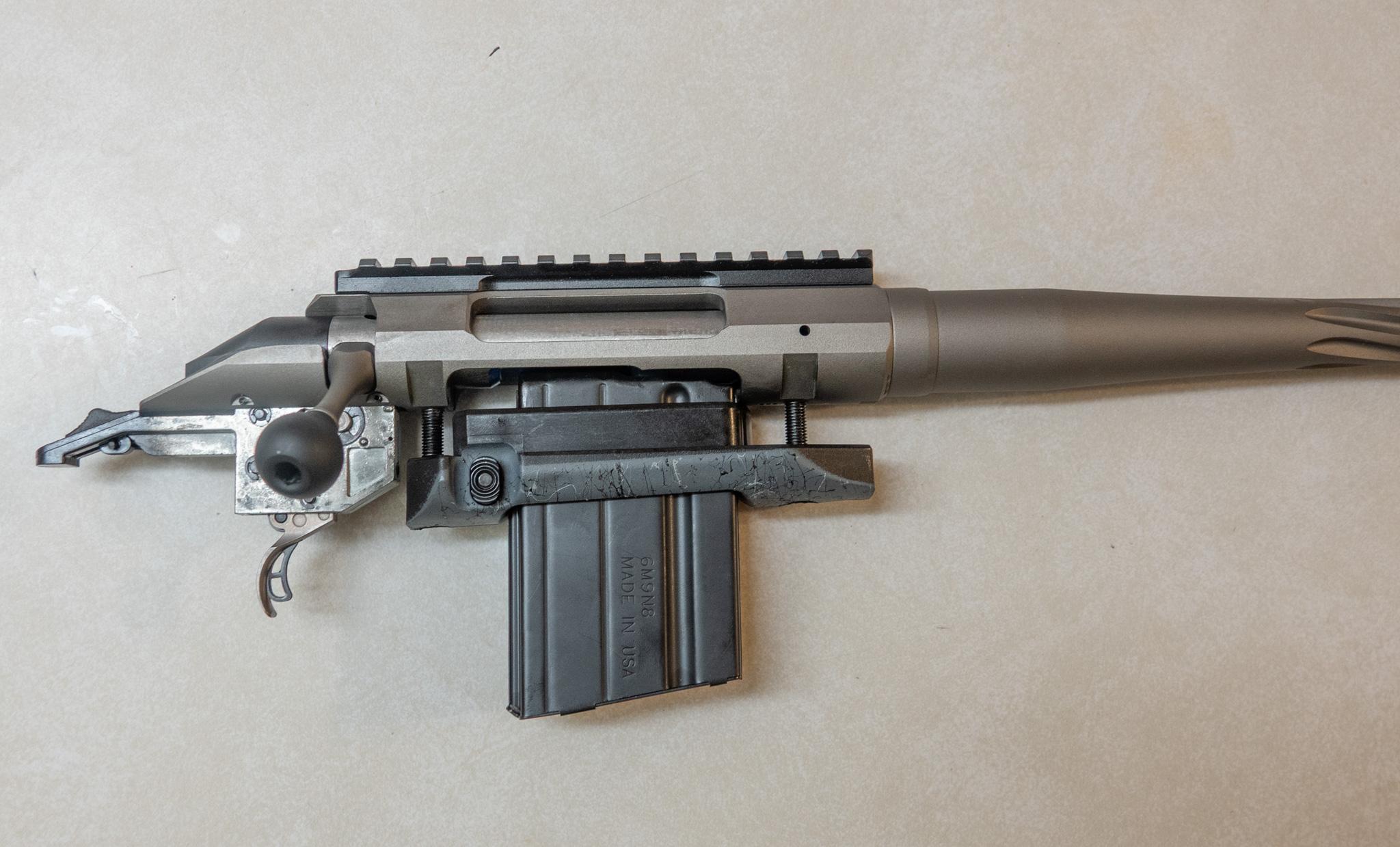
Left-hand action owners should confirm compatibility by serial number before ordering a conversion kit, since not every left-hand receiver has been cleared for the swap. The Magpul Hunter stock is one of the most common aftermarket routes to AICS compatibility for Gen 1 rifles without the modular magazine well.
American Stock Differences
Aside from magazines, the Gen 2 Ruger American stocks incorporate some interesting changes. In my opinion, the original stock was a bit flimsy, something that’s improved with the Gen 2.
The removable comb allows the comb height to be changed, and there is a buttstock spacer that can be removed to shorten the length of pull for smaller shooters. The cunning design used the rear sling stud to secure the buttstock.
The Magpul Hunter stock takes this further with its own adjustable length of pull and three MLOK slots for a bipod or other accessories.
There are also many other aftermarket support options for the Ruger American, with stocks and other accessories from companies like Boyds and Sharps Brothers.
Setup: Optics, Mounts, and Muzzle Devices
Ruger American rifles come with a Weaver-style scope base rail. This is incredibly convenient and allows quick and simple scope mounting options, whether you intend to mount a one-inch, 30mm, or 34mm scope on the rifle.
Both low rings and taller rings can be used thanks to the adjustable comb height on Gen 2 stocks. For flexible hunting setups, low-power variable optics (LPVOs) bridge the gap between close-range and mid-distance shooting.
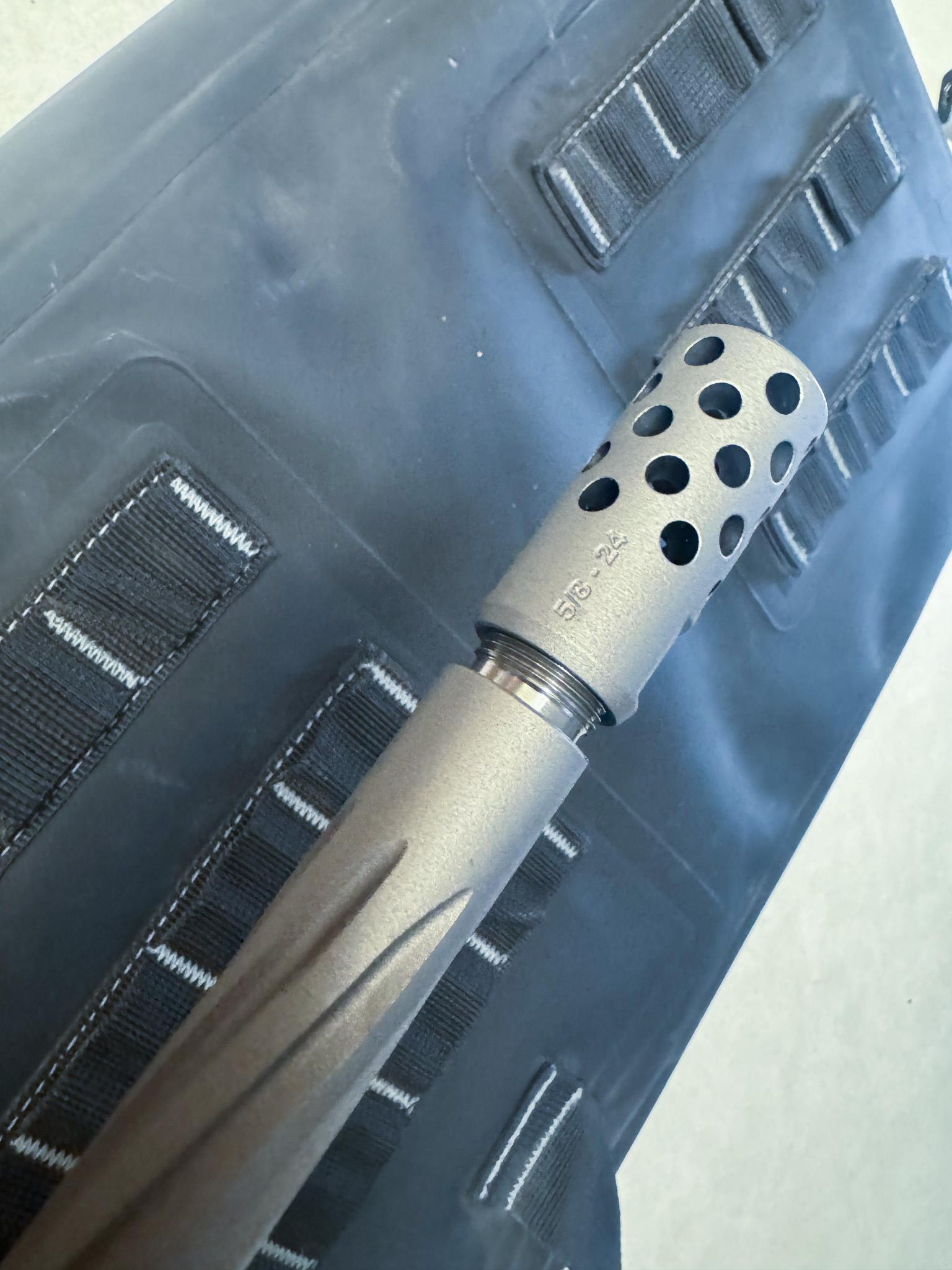
Threaded muzzle on the Ruger American rifles are threaded with standard pitches for their caliber, using 1/2-28 and 5/8-24 TPI patterns to match muzzle devices for the calibers used. This makes them a great suppressor host as well. See our 6.5 Creedmoor suppressor guide or caliber-specific suppressor options for threaded barrel compatibility across different loads.
While the Ruger American doesn’t ship with iron sights standard, the Weaver base gives you plenty of mounting options for backup optics. See our BUIS (backup iron sight) guide for reliable fallback options if your primary optic goes down in the field.
On the Range: How We Tested Accuracy
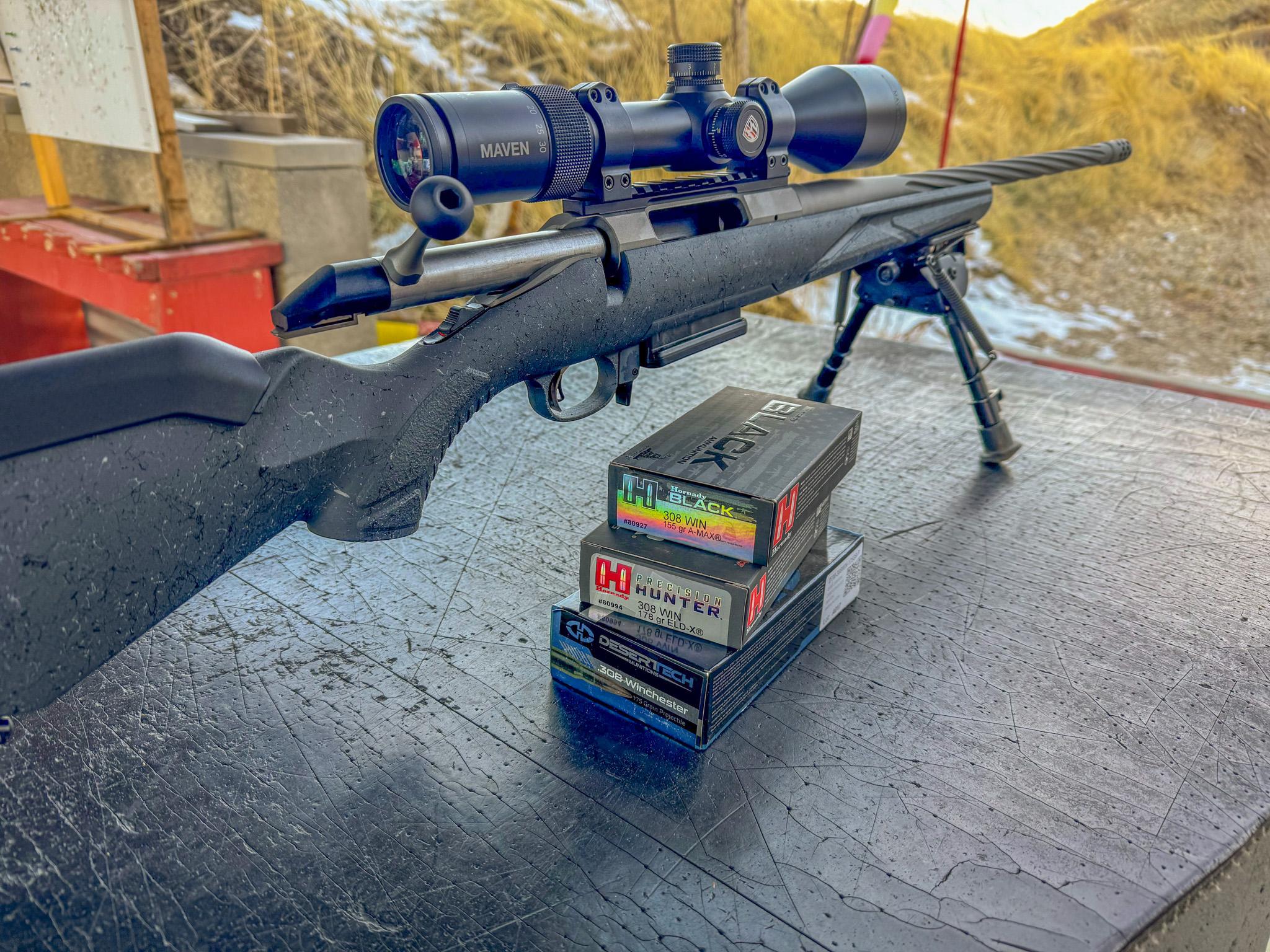
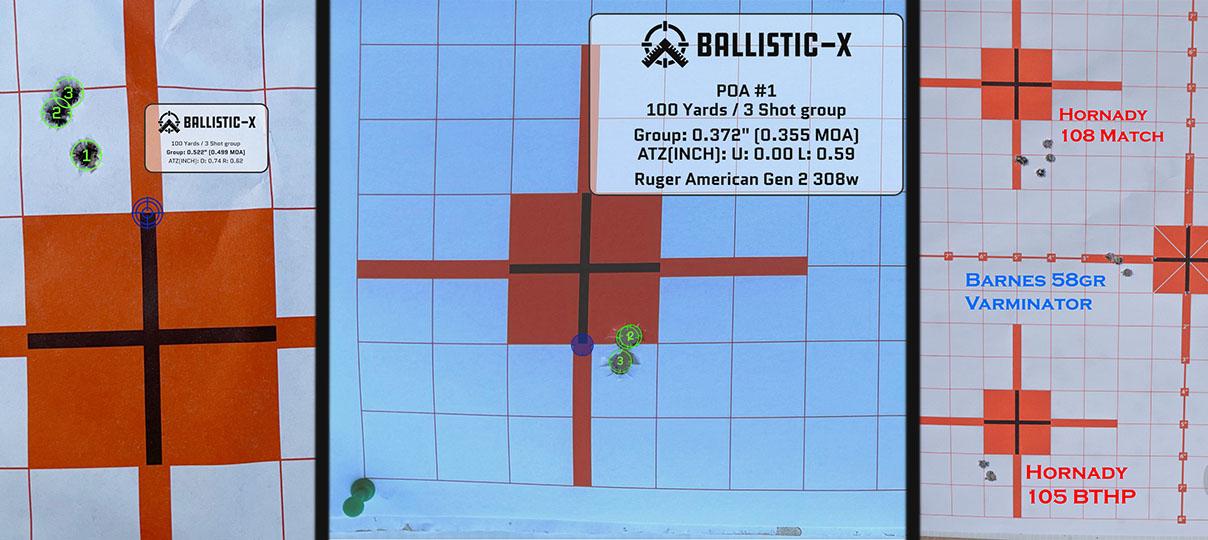
For testing accuracy, we fired a variety of ammunition. Each rifle was bore-sighted before the first shot, then confirmed on paper before group testing began. All groups were fired at the traditional 100 yards and measured on paper.
As with any rifle, these ones have preferences, so the ammunition that works best in one might not be the best in another. We ran a mix of factory match loads, including Hornady offerings, alongside handloads.
The best accuracy shown is what can be expected when shooting the rifle’s preferred ammunition.
See our M-Lok bipod guide for shooting rest options that mount to Picatinny rails.
Accuracy Results
| Rifle | Ammunition | Best Group |
|---|---|---|
Ruger American Gen 1 | 6.5 Creedmoor Federal 130 Match | .522 inches |
Ruger American Gen 2 | 308 Winchester 175gr DTM Match | .372 inches |
Ruger American Gen 2 | 6mm ARC 105 BTHP Match | .508 inches |
All three rifles tested shot under 1 MOA with their best foot forward. This allowed for accurate shooting both on the range and off.
The Gen 1 American rifle we used to take several Mule Deer at distances as far as 320 yards away. While the other two rifles haven’t been used on deer just yet, they were more than accurate enough to do so.
Making hits on 1 MOA targets as far away as five or six hundred yards was very doable, and it lines up with published tests showing consistent 1 MOA hits out to 730 yards, with Hornady AMAX loads having a similar reputation for grouping inside 1 MOA in this action.
Shootability, Ergonomics, and Recoil
The newer Gen 2 American stock is superior in several ways. I mentioned the rigidity and the modularity, and its textured ridges give great purchase for handling while staying thin enough for even small hands to grip well.
The shorter bolt-lift makes running the bolt both easier and faster, with fewer collisions between your knuckles and the scope. The tang-mounted safety is easy to access and provides quick control.
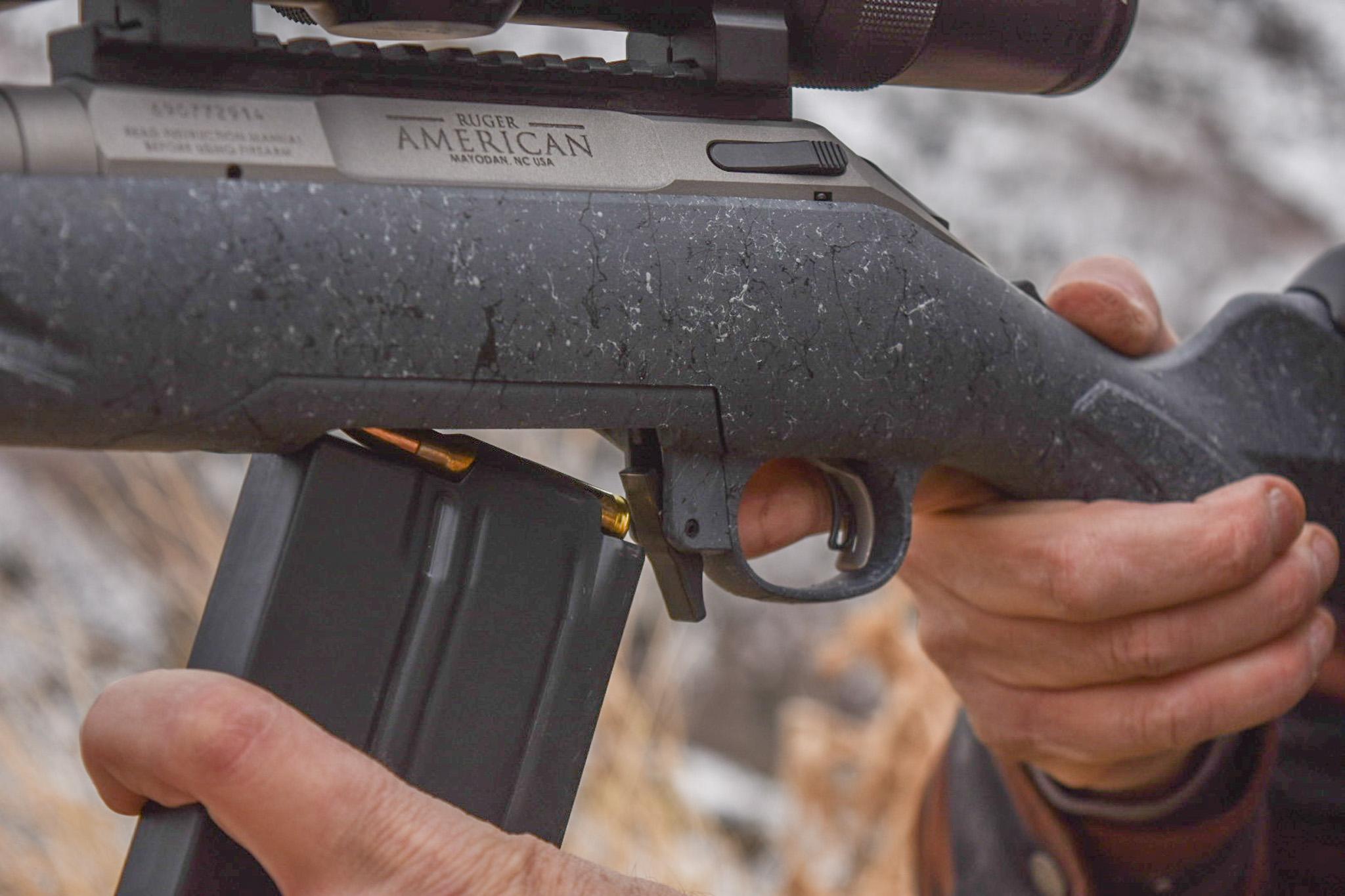
My only slight gripe comes from the AR15 caliber magazines. The mag release button is quite a reach for the finger, and you won’t be able to reach it without breaking your grip.
Reliability and Long-Term Durability
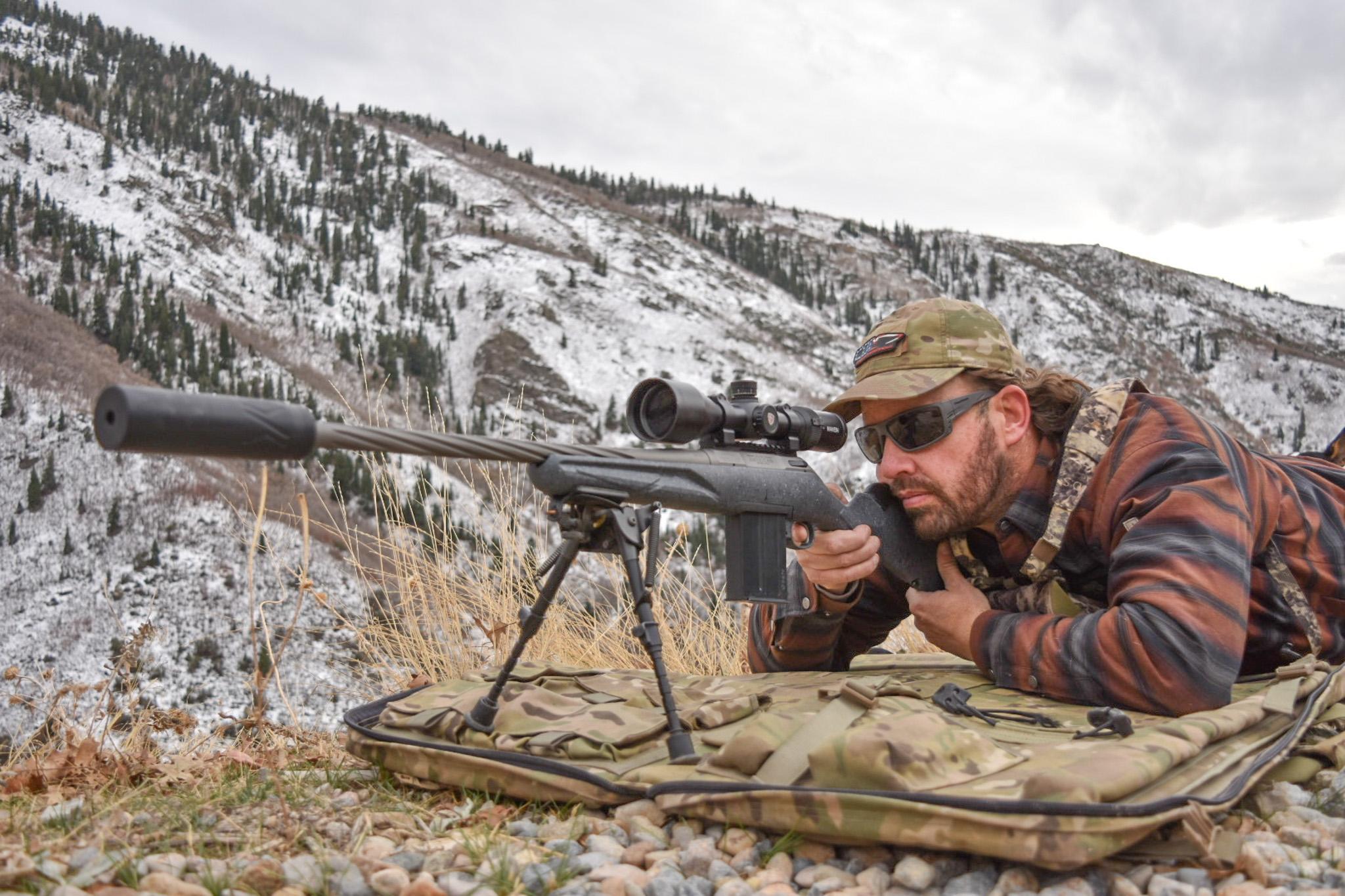
All three of the rifles I tested were reliable in their operation. Cycling cartridges, extracting and ejecting them from the action all went as expected. It is clear that Ruger did their homework and made sure that everything was in place with these rifles.
One small note is that some of the AR-15 magazine-fed rifles are a little more touchy when it comes to feeding, likely because the steel lips have more friction than their polymer counterparts. While they didn’t malfunction, they were a little less smooth.
While the Ruger American is priced to move with average consumers, it has been built well for a budget rifle. Everywhere it matters, you will find metal parts with a good fit and quality. It’s not a thousand-dollar rifle, but for this price range, it’s nice enough that you don’t mind.
Is the Ruger American Worth the Money?
Even at this price point, where there are some plastic parts and maybe some tool marks and casting flares, I think the rifle is a great buy.
It’s worth remembering how this rifle earned its reputation. The original Gen 1 retailed for less than $400 when it launched, with some sales dropping below $300 and street prices around $375, which is exactly why it built a name as an inexpensive yet functional hunting rifle.
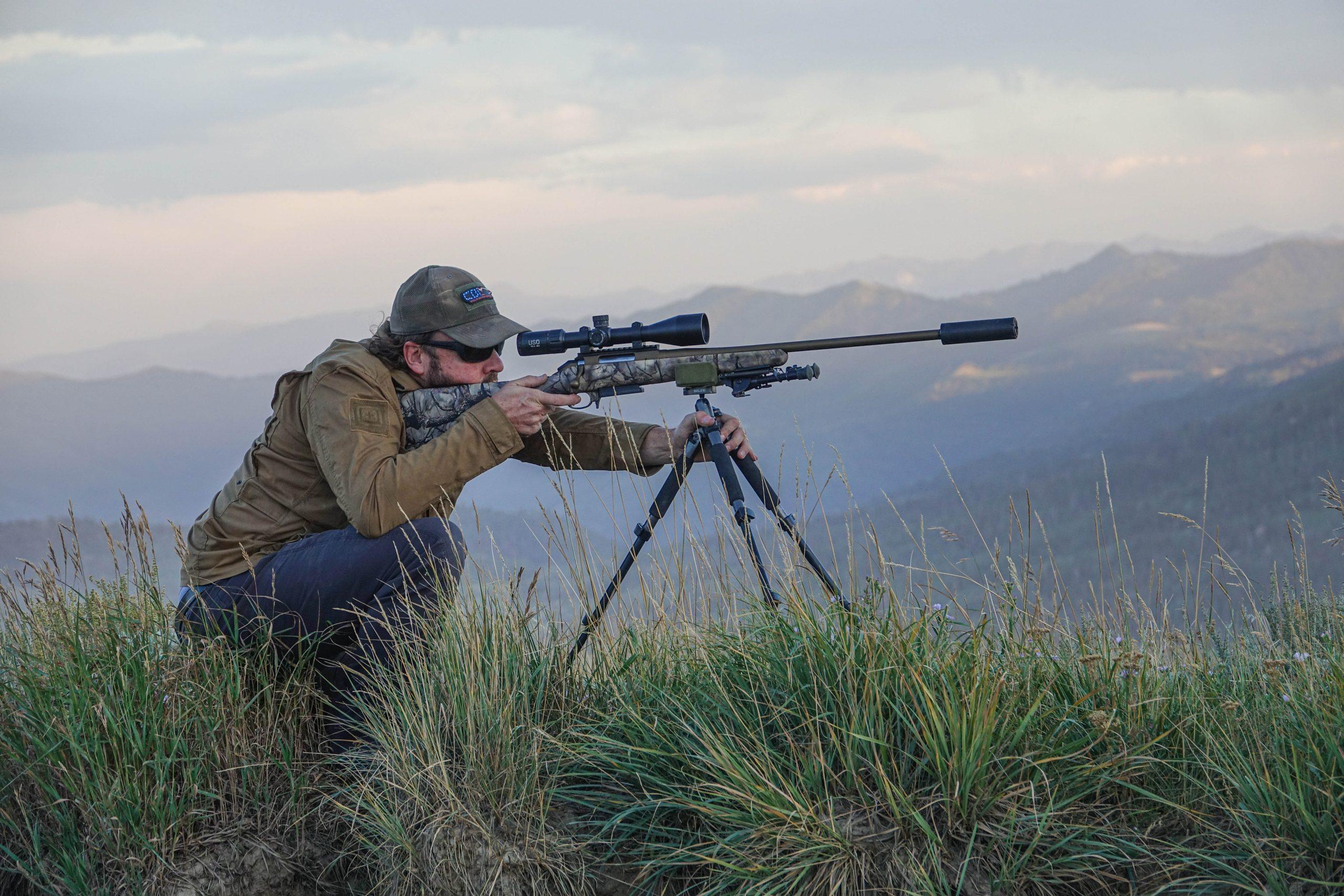
I’ll explain why the current lineup still earns that reputation: the gun just shoots, cycles well, and churns through cartridges, with a great deal of aftermarket support for those looking for it.
Even if you just plan on shooting it out of the box, you will likely be happy with it, and if you love to tinker and customize, you will find lots of support.
The soft recoil pad insulated your shoulder from heavier cartridges, and this is also magnified by the muzzle brake, reducing felt recoil to a more reasonable sensation across the board.
Comparisons
Ruger American vs. Tikka T3x vs. Savage Axis/110 vs. Bergara
When comparing the Ruger American to these three options, I think it comes across as the best bargain. That means you get a lot for your money without losing aftermarket support options or functional quality. The Bergara and Tikka are certainly higher quality than the American, though it’s a roll of the dice whether they’ll shoot better out of the box, and the Ruger comes with some great added value like an included muzzle brake and scope rail. See our Bergara rifle guide for a detailed look at mid-tier alternatives.
The Savage is less expensive for sure, and I’ve even seen some shoot well, but I prefer the feel of the Ruger over the Axis. That’s not to say I don’t like Tikkas and Bergaras, just that the American gives comparable performance for less.
| Spec | Ruger American | Tikka T3 | Savage Axis | Bergara |
|---|---|---|---|---|
Price | $649 | $899 | $489 | $950 |
Trigger (1-10) | 7 | 8.5 | 5 | 8.5 |
Action Quality (1-10) | 6 | 8 | 4 | 8 |
Aftermarket Support (1-10) | 8 | 8 | 7 | 8.5 |
Best for | bargain | quality | price | aftermarket |
Troubleshooting Common Issues
Most complaints we’ve seen with the Ruger American trace back to the magazine rather than the rifle itself.
If a round won’t feed smoothly, check that the magazine is fully seated and that the feed lips haven’t taken on wear or damage. Cold weather can cause a snug rotary magazine to bind, so warming and drying it before a freezing-weather hunt solves most failures to feed.
If you’re chasing accuracy flyers instead, check the action screws first. A bedding screw that’s crept loose will open groups up fast, and it’s worth checking torque before blaming the ammunition. See our armorers tools guide for the right equipment to maintain your rifle’s bedding and perform basic maintenance without sending it to a gunsmith.
Final Verdict on the American Rifle
I have become quite a fan of the American over the last few years.
Not only because of our hunting success with the rifle, but also because of consistent good performance across several rifles manufactured over the product line’s lifetime.
With a large company like Ruger behind it, we can expect the Ruger American rifle to continue seeing additional options and product support industry-wide.
The American offers affordable accuracy with good features and a thriving market of both accessories and ideas that will keep tinkerers like me busy for years.
Meet the Experts

Written By
Coldboremiracle
Precision Rifle Expert
- Licensed Concealed Carry Holder
- Lifelong Hunter

Edited By
Michael Crites
Licensed Concealed Carry Holder
- Founder of AmericanFirearms.org
- Licensed Concealed Carry Holder
Hands-On Product Reviews
Further Reading

Sign up for our newsletter
Get discounts from top brands and our latest reviews!
Our Top Picks
Ruger American in 6.5 Creedmoor